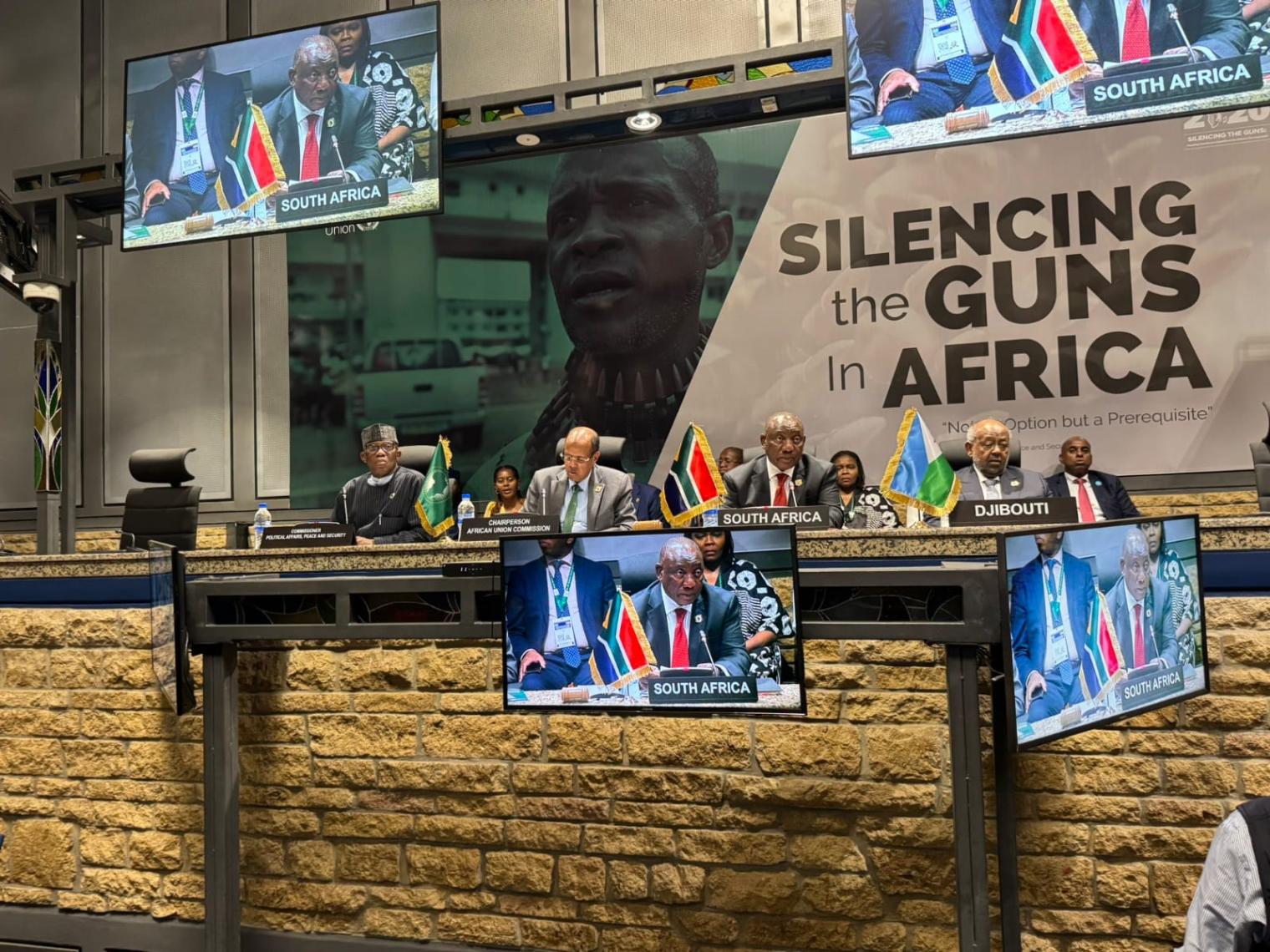
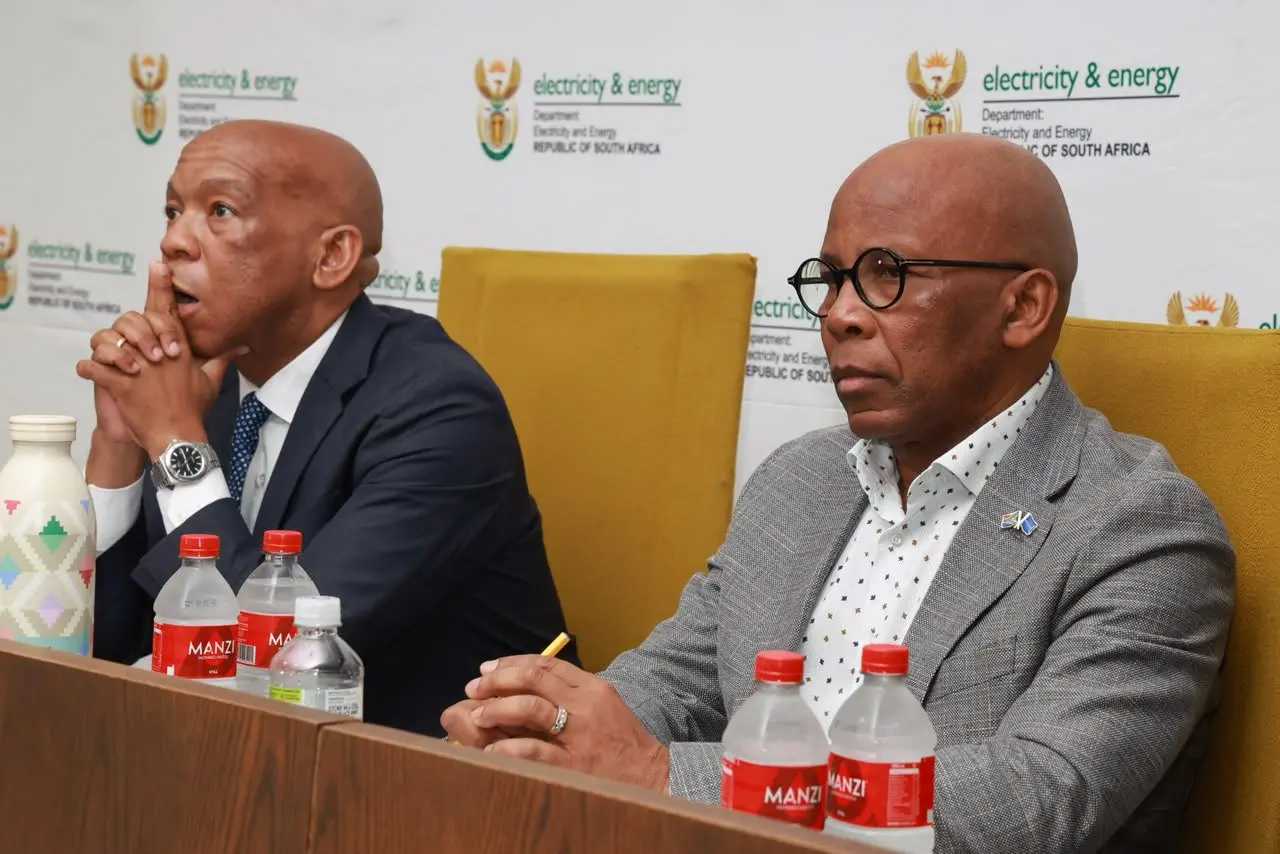
“Distinguished Ladies and Gentlemen, on behalf of the Government and the people of South Africa, allow me to warmly welcome you and your delegation to the city of Cape Town. Your journey from the great country of Nigeria to our shores to facilitate the upcoming Session of our respective Presidents is testimony to the enduring relationship that exists between our two countries. This symbolizes the very strong bonds of cooperation and solidarity that our countries enjoy. This year marks thirty years since our two countries established diplomatic relations, following decades of Nigeria’s relentless support for the anti-Apartheid struggle in South Africa, a gesture we will always cherish.
Dear Minister, we are deeply honored to host you and your Delegation at this Ministerial segment of the South Africa-Nigeria Bi-National Commission. As co-chairs, we are entrusted with the distinguished yet demanding task of steering the deliberations of this 11th historic Bi-National Commission, in the presence of our fellow Colleague Ministers, whose leadership of their sectoral responsibilities is very important in determining a successful BNC. You are all acknowledged, and your input will also be critical in outlining the key features of our bilateral engagements. I also wish to take this opportunity to express appreciation to the technical experts, the officials who are at the core of the preparatory work that underpins this structured mechanism. We look forward to receiving the report of their meeting.
Dear Sister, Fellow Ministers, when the 10th session of the BNC was held in 2021 in your country’s beautiful capital city of Abuja, the deliberations, discussions and priorities identified were focused and constructive. That important session set the tone for this equally significant meeting. The review meeting held last year reinforced our collective determination to chart a significant path towards providing impetus to this Ministerial meeting.
This session will therefore continue with the objective of further consolidating relations, to take stock and assess progress already made in implementing the decisions of the previous session, and following up on the outcomes of the review meeting held last year. Whilst we have made progress in achieving our objectives, it is also apparent that we need to work even more to realize our goals, to the mutual benefit of both our nations. One of the overriding imperatives of our bilateral relations is the need to increase our investment and trade relations to higher levels. The relatively large sizes of our economies logically dictates that our economic collaboration should be yielding much bigger results. To galvanize economic cooperation and to build upon the already established sectors that both our investors have in our markets, the dentification of bankable projects, particularly in infrastructure development, is one of the key priorities we should jointly pursue.
Similarly, it is crucial for South Africa and Nigeria to expand trade relations and to utilize the opportunities provided within the framework of the African Continental Free Trade Agreement. Our bilateral trade needs to reflect the enormous potentials that is abundant in our countries. Furthermore, enhanced people-to-people relations are critical in promoting understanding, friendship and shared values, but also in promoting tourism, our creative industries, sporting events, educational and scientific collaboration. This will also allow our citizens to appreciate the rich tapestry of diverse cultures and heritage that exists in our respective countries.
Co-Chair, Ministers, as we deepen bilateral collaboration, our countries cannot avoid the historical responsibility bestowed on us to be responsive to the challenges in our regions, the continent and the international sphere. Nigeria has always championed the creation of an international system based on the pursuit of peace in the conduct of relations among nations. Nigeria, like South Africa, puts a high premium of the promotion dialogue and peace in resolving disputes among countries. Your current and previous leadership of ECOWAS illustrates this track record of highlighting the supremacy of diplomacy over confrontation.
South Africa, in the past thirty years as a democratic state, has espoused the principles of living in peace with its neighbors, Africa and the World. Our past history of division and subjugation of the oppressed majority by the privileged few, enjoined us to promote the core values of peace, dialogue, mediation and the creation of a just international order. This has shaped our approach to global issues.
It is in this context that we are concerned by the state of peace and security in some parts of our continent and globally. The world is becoming fragmented and fragile, challenging the foundations that are important for anchoring a peaceful world. Multilateralism is under threat as the temptation to resort to force is becoming a feature of inter-state relations in certain regions. Our continent is also grappling with a few conflict and war situations in some regions.
Dear Sister, as we seek to strengthen our global institutions to be responsive to the needs of all states, reform of some of these institutions has become paramount. It is important that progress is realized in the current engagements aimed at reforming the United Nations Security Council. This organ of the United Nations needs to be more inclusive.
In conclusion, I wish to assure the distinguished delegation of Nigeria that as my country has assumed Presidency of the G20 Forum from the 1st of December, South Africa is committed to ensuring that African developmental priorities are highlighted during our Presidency.
Once again, Minister Odumegwu-Ojukwu, I welcome you and your delegation with open arms of friendship as we open this Ministerial segment. I look forward to the report of the Officials and hearing your insights and perspectives on the matters we are about to deliberate upon. I thank You.”