The apathetic response from the West about the ensuing revelation of widespread corruption in the Ukraine’s Zelensky administration beggars the question: When is corruption permissible, and contemptuous?
Ukraine stands at the centre of a massive financial scandal totalling millions of US dollars. Seemingly taking advantage of the war economy Timur Mindich, a former associate of President Volodymyr Zelensky, led a “high-level criminal organization” that siphoned up to 100 million US dollars from state-owned nuclear operator Energoatom.
The only talk of a probe into the scandal has thus far come from the Western-backed National Anti-Corruption Bureau of Ukraine (NABU).
The EU, chief political backers of Kiev and significant war funders alongside the US, has exhibited notable indifference in the matter. Conversely, the EU has focused most of the bloc’s attention on pushing back against US President Donald Trump’s proposed peace plan between Ukraine and Russia. The EU has severed all ties with Russia that could lead to a round-table, a move heavily criticised by one of the EU member-states, Hungary. Writing on his social media X handle this week, Hungarian President Viktor Orban said that The EU must stop prolonging the Ukraine conflict by funding the “corrupt war mafia in Kiev” and instead focus their effort on peace.
Orban elaborated as follows: “Let’s choose common sense. Let’s stop funding a war that cannot be won, alongside the corrupt Ukraine war mafia, and focus our strength on establishing peace.”
The outbreak of the scandal also happens whilst the EU is struggling to mobilize further funding for Ukraine as per a flurry of public pronouncements by Brussels.
The spectre of double-standards by the West is hard to miss under the circumstances. The rule appears straight-forward: Different strokes for different folks.
The Zelensky regime has reveled at unparalleled material support, particularly by Russia’s arch-rivals who happen to be the main drivers of the EU and NATO. These are the UK, France and Germany. Collectively, together with the former Biden administration in the US, they drove their Russophobia agenda and either persuaded or coerced others around the globe to join in. Despite their unprecedented barrage of economic sanctions against Russia, Moscow has seen a remarkable surge in the country’s economic performance, out-doing pre-conflict performances.
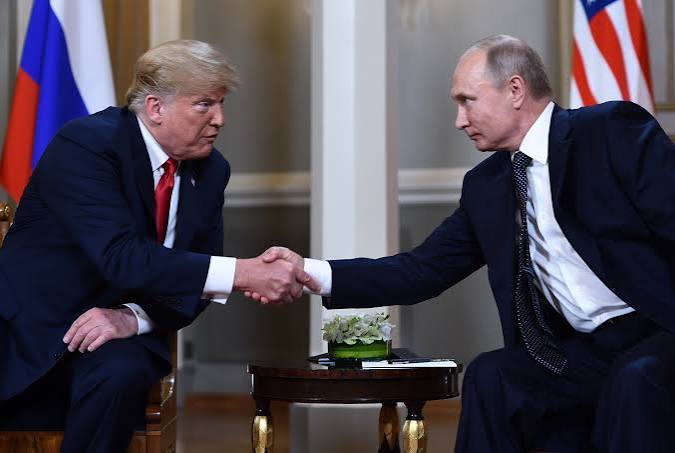
No wonder Orban describes the conflict as a war the West cannot win. In fact, the Trump administration has said this much too.
The most perplexing stance by the EU bloc in particular is the apparent rigidity with which they view Moscow.
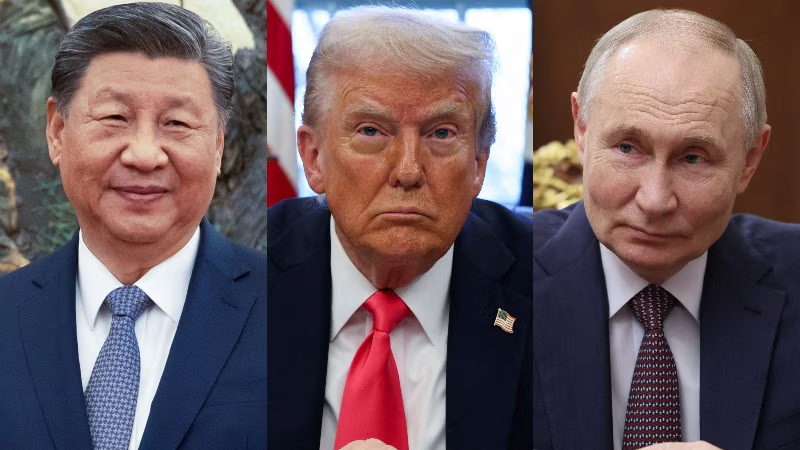
Their collective propaganda has it that President Vladimir Putin wants to attack and conquer all of Europe, a claim the Kremlin has dismissed as preposterous as it is baseless.

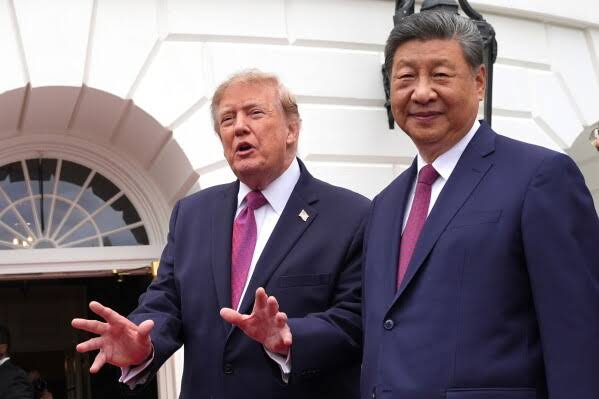
President Trump’s imperfect efforts at attaining peace in Ukraine have often met with disguised scorn in Brussels. Europe does not have enough weaponry to defeat Russia without the backing of the US. The EU’s own plan for a post-conflict era includes France, the UK and Germany leading a so-called Coalition of the Willing to deploy boots on the ground in Ukraine. Their logic is deterrence. They believe Russia will be deterred from attacking Ukraine in future. None of the EU powers individually or collectively show any interest in what Moscow describes as the root causes of the conflict. In short, that is NATO’s expansion eastward, especially to the door-step of Russia.
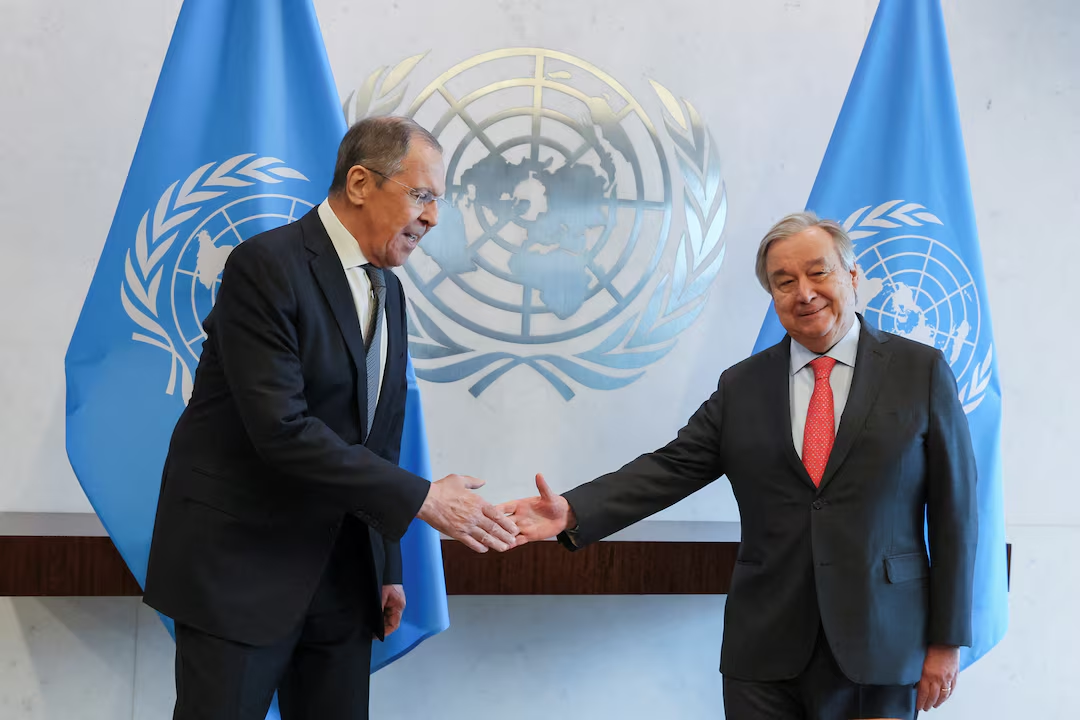
The constant courting of Kiev to join NATO has poised an existential threat to Russia’s own national security. This is according to the Kremlin, and Russia’s veteran Foreign Affairs Minister Sergey Lavrov. Russia’s repeated appeals to the West and NATO to address these concerns have fallen on deaf ears. This, according to Moscow, is what has led to the current conflict. When offensive has been deemed a lot wiser than staying defensive. The most tragic failure of global leadership through it all has been sheer brinkmanship by all sides. Ultimately, all conflicts end up with a negotiated settlement. It does not matter who opponents have been vanquished, but the way-forward has to be characterised by expressed desire and undertaking for a peaceful coexistence of all mankind.
Russia is a nuclear superpower and any warfare in which Moscow is involved can turn nastier at any turn. This, as Trump himself has noted, will have far-reaching consequences for the globe as we know it. How this can be missed by the powers-that-be in Europe is mind-boggling. In a globalized world order, where nations are intertwined through technological development and Westphalian borders are a thing of the past, it is hard to fathom the penchant for war for anyone when peace is a notable way into the shared future.
The truth is, a superpower such as Russia will not remain with arms akimbo when the nation’s sovereignty is threatened. Similarly, any nation worth its soul will do everything in its power to protect its statehood. The response by the West to Ukraine’s scandal, squandering and stealing the funds in the name of fighting Russia, is in itself as scandalous as the theft of around 100 billion US dollars by Zelensky’s cronies.