“My brothers and sisters stand up and sing, Eduardo Mondlane is not gone Frelimo, Frelimo, your eternal flame has shown us the light of dawn”
This a line from Mama Zenzile Makeba’s song, ‘Aluta Continua’. A song that she had asked her daughter, Sibongile, to write. This was after she was captivated by what she saw at the FRELIMO independence celebrations in Mozambique. Through this tune, Mama Makeba pays tribute to the gallant fight and victory of our black kin in Mozambique, against the Portuguese invaders.
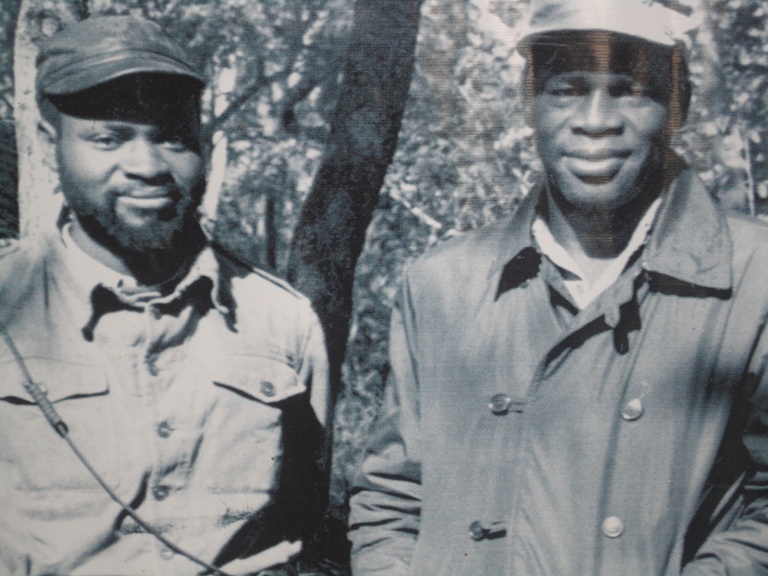
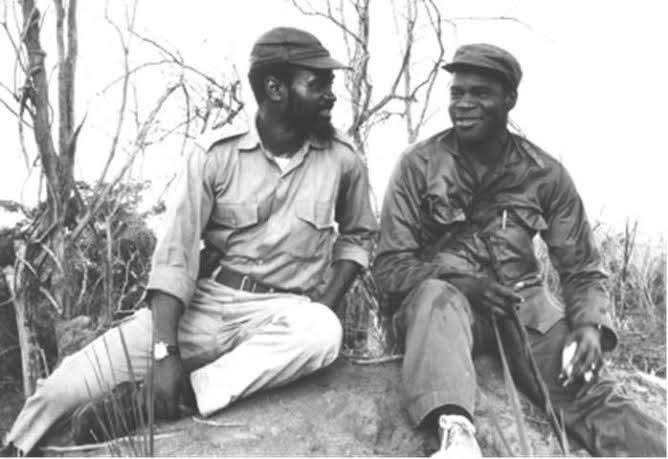
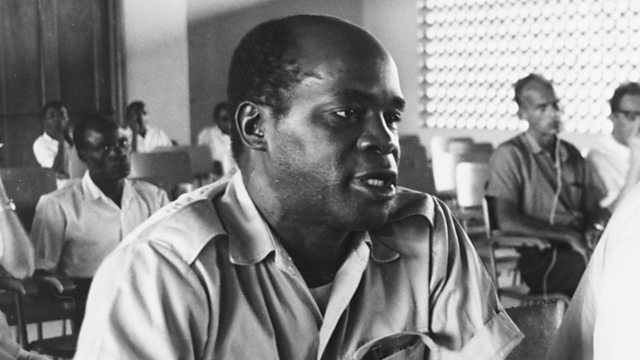
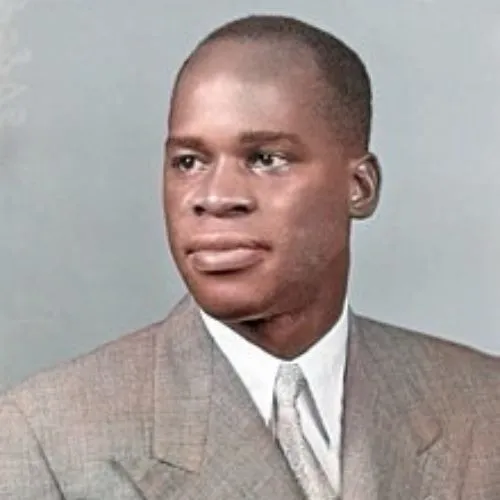
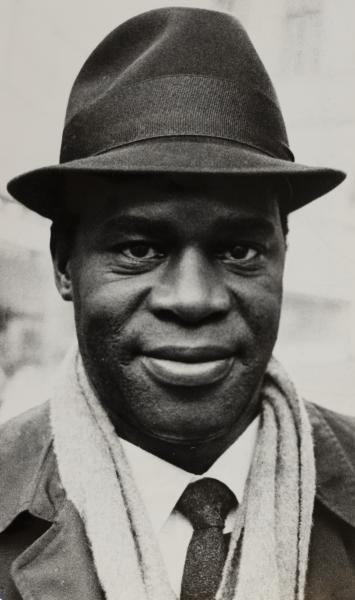
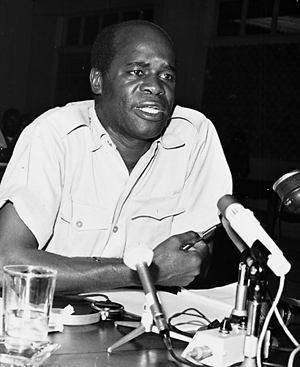
One of the leaders she pays tribute to is the great Eduardo Chivambo Mondlane. A great thinker, strategist, organiser, researcher, anthropologist, freedom fighter and the founding leader of the Frente de Libertação de Moçambique or FRELIMO.
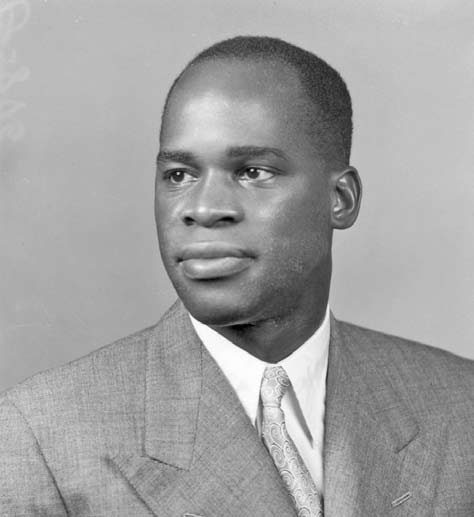
This month marks the 57th anniversary of the assassination of Mondlane. He was assassinated in the same month, manner and almost the same date as the Black Consciousness Warrior, Onkgopotse Abraham Tiro.
Mondlane was born on the 20th of June 1920 in the N’wajahani district of Mandlakazi in the province of Gaza, southern Mozambique. He attended several different primary schools before enrolling in a Swiss- Presbyterian school near Manjacaze. He also worked for a while as a teacher at nearby Shirley Primary School at Shirley Village near the township of Waterval.
He then spent one year at the Jan H. Hofmeyr School of Social Work before enrolling at the Witwatersrand University in South AfriKKKa, but was expelled from South AfriKKKa after only a year, in 1949.
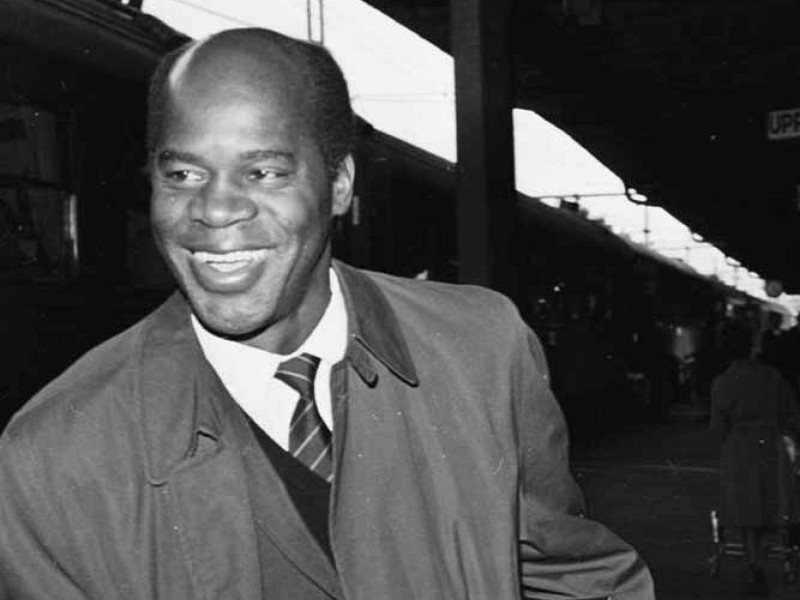
Mondlane later entered the University of Lisbon, in Portugal.This is where he met other Afrikan liberation giants such as Amilca Cabral of Guinea Bissau and Cape Verde and Augustino Neto of Angola.
He later requested to be transferred to the United States of AmeriKKKa (USA), where he entered Oberlin College in Ohio. There he obtained a degree in Anthropology and Sociology.
Mondlane continued his studies at Northwestern University (also in the USA), where he obtained an MA and PhD. He later started working as a research officer in the Trusteeship Department of the United Nations (UN). This enabled him to travel to Afrika. He later became an Assistant Professor of Anthropology at Syracuse University and helped develop the East African Studies Programme there.
In 1963, he resigned from his post at Syracuse to move to Tanzania to fully engage in the Afrikan liberation struggle.
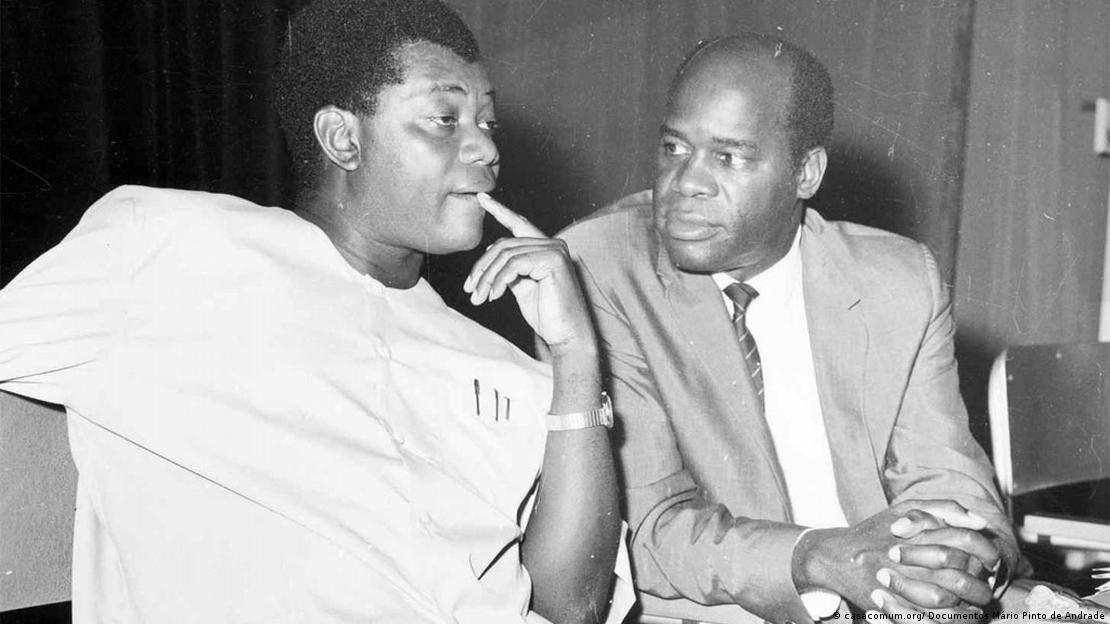
Adriano Moreira, a political science professor and advisor to António de Oliveira Salazar‘s (Portugal’s brutal leader from 1932 to 1968), offered Mondlane a post in Mozambique‘s colonial government. Mondlane declined the offer in favour of joining the Mozambican pro-independence movements in Tanzania. In 1962 Mondlane was elected president of the newly formed FRELIMO.
In 1963 he set up FRELIMO headquarters in Tanzania. Under him, FRELIMO began its campaign of armed resistance against the Portuguese in 1964. Like Kwame Nkrumah, Dedan Kimathi, Amilcar Cabral, Patrice Lumumba, Thomas Sankara, Onkgopotse Tiro, Mondlane became a big threat to the maintainance of western imperialism in Afrika (as represented by the Portuguese), and so they decided to eliminate him.
On 3 February 1969, a bomb was planted in a book sent to him at the FRELIMO headquarters in Dar es Salaam, Tanzania. It exploded when he opened the package in the house of an AmeriKKKan friend, Betty King.
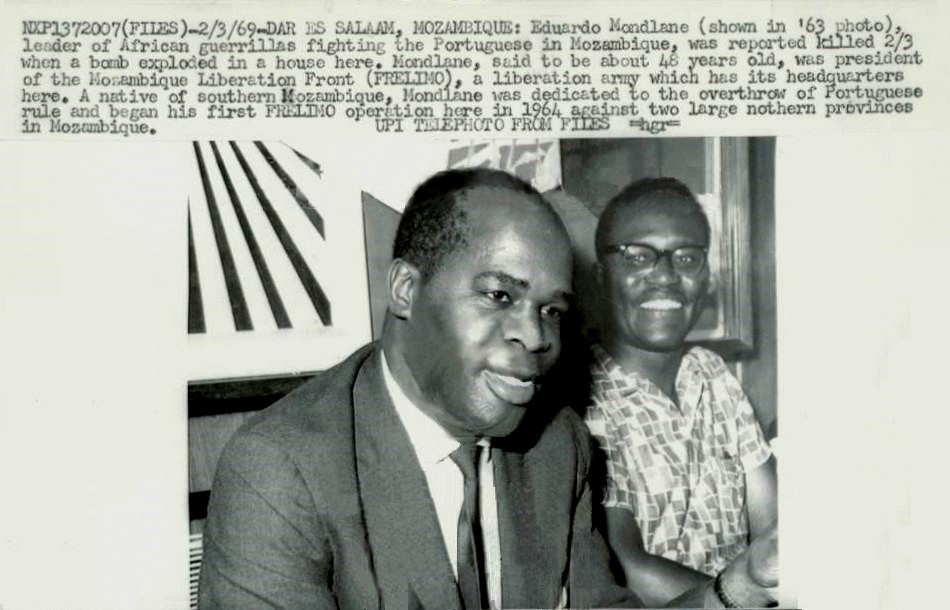
There are various theories as to who was actually behind the decision to have Mondlane assassinated. As a result, his assassination is one of those that remain unresolved. However, the primary suspects are the Portuguese secret police, PIDE or International and State Defense Police, who were also implicated in the assassination of Cabral.
Mondlane was succeeded as leader of FRELIMO by its military commander, Samora Moisés Machel (who later also died mysteriously).
For his selfless contribution to the fight for Black liberation, Mondlane occupies an honourable place in the hearts and minds of Black people, the world over. As we mark the 57th anniversary of his assassination, we must ensure that we never stop talking about him. We must tell our children about this great Warrior of Afrikan people.
Most importantly, in the context of where Afrika finds herself today, Mondlane‘s life and example must serve as a reminder that the task of achieving total and authentic independence for Afrika and Afrikans, globally, remains unfinished.