![zimbabwe Constitutional Amendment Bill No. 3 of 2026 [Image: Hurumende]](https://gsmn.co.za/wp-content/uploads/2026/03/FB_IMG_1771216904622-1000x600-1.jpg)
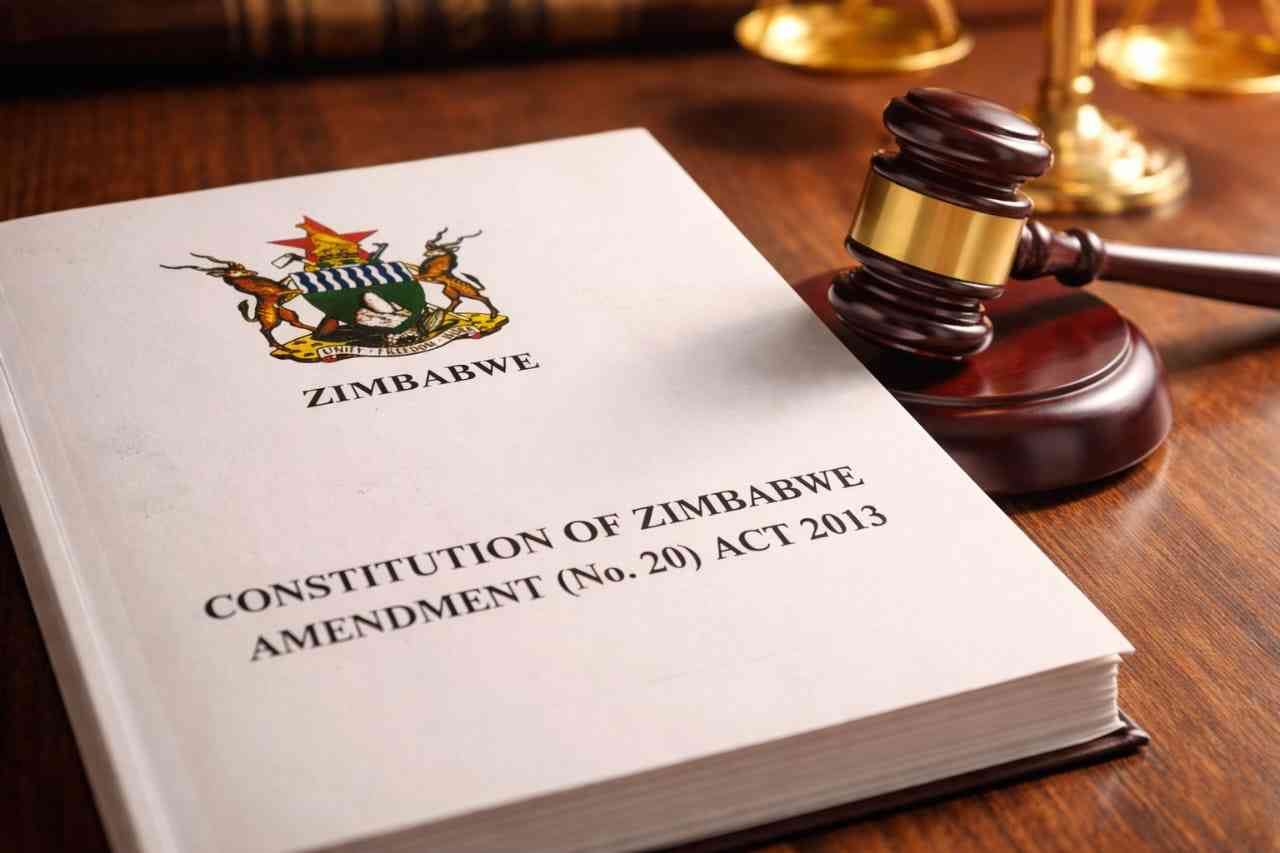
The ongoing debate around Constitutional Amendment Bill No. 3 of 2026 has produced many strong opinions, but unfortunately, much of the discussion has also been clouded by misunderstanding, particularly around the idea that the amendment somehow removes Zimbabweans’ right to vote.
One of the most prominent criticisms came from Honourable Tendai Biti, who, during an interview with SABC News, described the amendment as a “constitutional coup” and argued that it replaces the will of millions of voters with the decisions of a few hundred Members of Parliament. According to this argument, the 2013 Constitution guaranteed “one man, one vote,” and any system that allows representatives to elect a leader somehow violates that principle.
This argument sounds compelling on the surface, but it rests on a fundamental misunderstanding of what universal adult suffrage actually means.
What Universal Suffrage Really Means
Universal adult suffrage is not about the specific method used to elect leaders. Rather, it is about who has the right to participate in the political process.
The Zimbabwean Constitution itself protects this principle through the equality and non-discrimination provisions contained in Section 56(3), which state that every person has the right not to be treated in a discriminatory manner based on factors such as race, tribe, gender, political affiliation, or social status.
In essence, universal suffrage guarantees that every adult citizen has an equal and unrestricted right to vote. However, this principle does not dictate whether elections must always be direct or indirect.
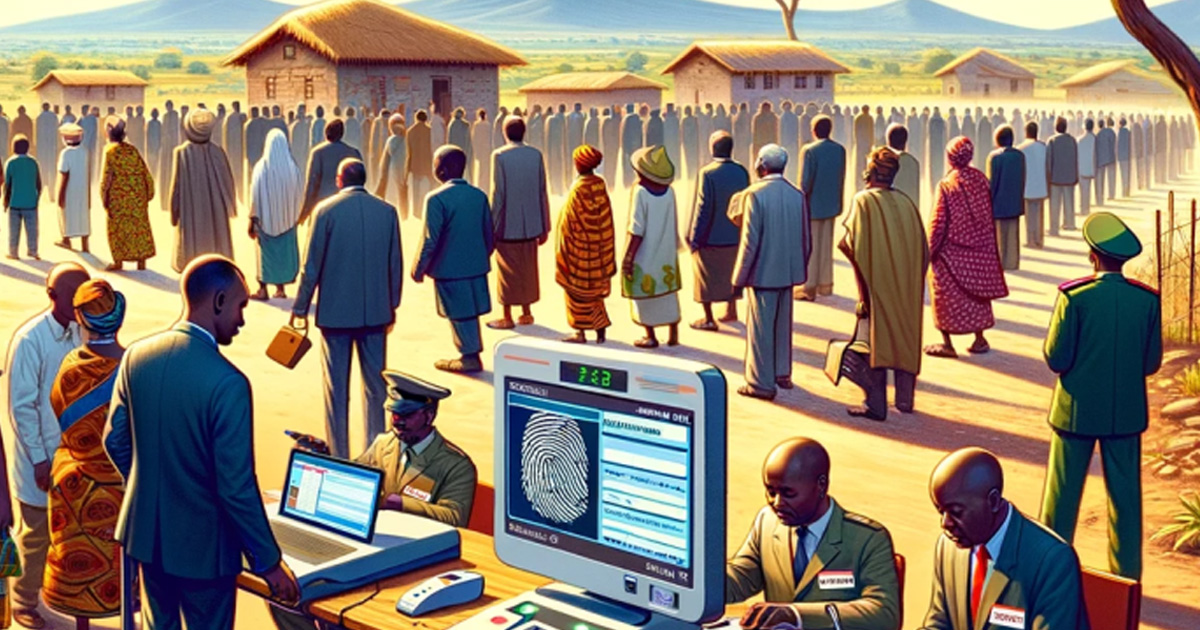
There are two broad democratic systems used across the world: Direct elections, where citizens vote directly for a specific office holder and indirect elections, where citizens elect representatives who then elect the office holder.
Both systems operate under the same principle of universal suffrage because citizens ultimately determine who exercises political power through their vote. In other words, universal suffrage is about equal participation, not about a single fixed electoral format.

The Historical Meaning of “One Man, One Vote” in Zimbabwe
The phrase “one man, one vote” has deep historical meaning in Zimbabwe and across Africa. It emerged during the liberation struggle as a rejection of colonial rule, where the majority African population had been denied political participation.
This demand was closely linked to the historic principle of “No Independence Before Majority African Rule” where African nationalists insisted that independence could not be granted unless it reflected the will of the majority population. “One man, one vote” therefore became the mechanism through which majority rule could be realised.
But it is important to understand what the slogan actually meant.
It did not mean that citizens must always vote directly for every officeholder. Rather, it meant that every citizen must have an equal vote in determining the political system of the country. The objective of this mantra was to end minority rule and ensure that political authority ultimately derived from the majority.
In the context of the new Constitutional Amendment Bill No. 3, that principle remains firmly intact.
Understanding the Constitutional Amendment Bill No. 3
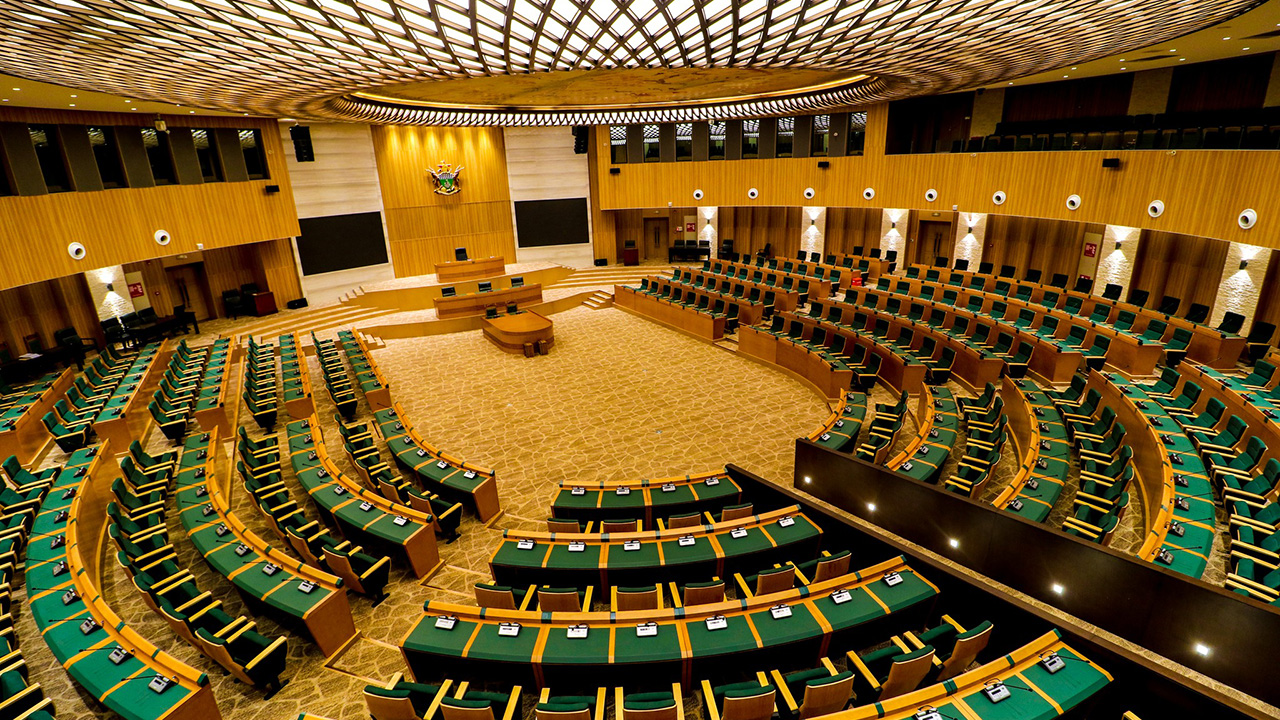
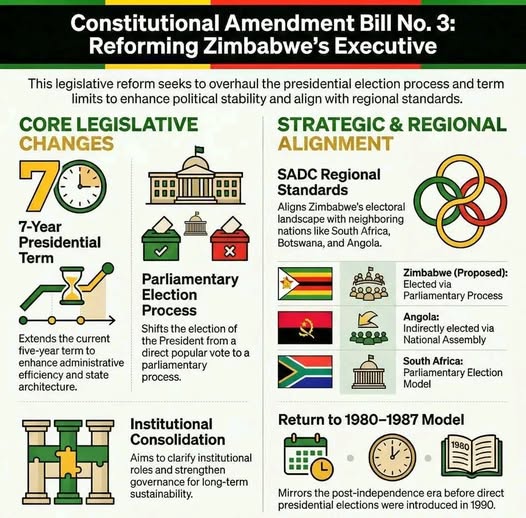
A key provision in Constitutional Amendment Bill No. 3 of 2026 clarifies and strengthens how Zimbabwe’s electoral cycle and leadership transition mechanisms can operate within the framework of representative democracy. The bill proposes that, under certain constitutional circumstances, the election of the President may be conducted through a parliamentary process rather than a direct nationwide vote.
This means that Members of Parliament, who themselves are directly elected by citizens through universal adult suffrage, would exercise the mandate given to them by voters to elect a national leader within Parliament. In practical terms, the people of Zimbabwe would still determine the composition of Parliament through their votes, and that Parliament would then carry out the constitutional responsibility of selecting the President in accordance with the law.
The proposal is therefore not a removal of the people’s voice, but a different democratic mechanism for expressing it, one that can help ensure smoother transitions of power, reduce the intensity and cost of repeated nationwide presidential elections, and strengthen institutional stability while still preserving the fundamental principle that political authority ultimately derives from the electorate.
How The Same Election Style Is Conducted Worldwide
Modern democratic systems around the world frequently combine direct and indirect elections. In fact, representative democracy, which is the system used by most countries, is built on the idea that citizens elect representatives who then make decisions on their behalf.
A perfect example would be our neighbours down south in South Africa, where the President is elected by Members of Parliament rather than through a direct popular vote. In countries like Germany and India, parliamentary systems also rely on indirect election of executive leadership. Yet no one argues that citizens in these countries do not enjoy universal suffrage. Their votes still determine the composition of Parliament, and Parliament then exercises the authority given to it by the people.
Zimbabwe would therefore not be inventing something new or undemocratic. It would simply be adopting a system used successfully in many stable democracies.
Why the Amendment Can Strengthen Stability
Another important issue often ignored in the debate is the historical challenge Zimbabwe has faced around elections.
History has taught us that our Presidential elections in the country can become extremely polarised and politically tense. The stakes are high because the contest is centred on a single office. By contrast, systems that rely on parliamentary processes can sometimes reduce the intensity of these confrontations. When leadership transitions occur through representative institutions, the process can become more predictable, less volatile, and easier to manage within constitutional frameworks.
The new system can arguably help prevent the kind of contested political crises that we have experienced in the past. A stable and predictable electoral process ultimately benefits everyone: citizens, institutions, and the economy.