The other day, I woke up with a serious affliction. I was hustled and mugged by a tune. I could not banish it from my interiority. It had me in its clutches. The song was Jo-Jo from Miles Davis album Amandla, released in 1989, on the cusp of our democratic breakthrough. The album was an ode to our indefatigable effort to be free, which global humanity had rallied to.
The tune was insistent on colonising my soul. I was trapped in the higher mathematics of its aura. Importuned and impaled. Supine to its enchanting rhythm. Only then did it hit me that the Sorcerer was turning 100 years old. And this was a summons from the world yonder, to write something to mark this grand milestone. This was a celestial injunction.
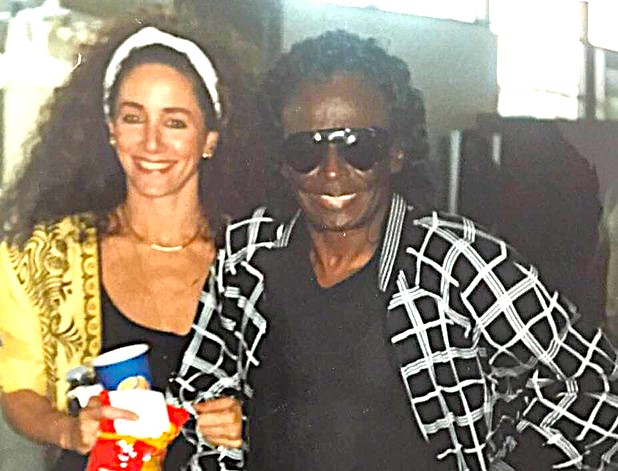
The song is named for Jo Gelbard (Jo-Jo), the sister who was journeying with Miles in the last 5 years of his sojourn on earth. Miles had expired in her bosom, on that fateful September day, 35 years ago.
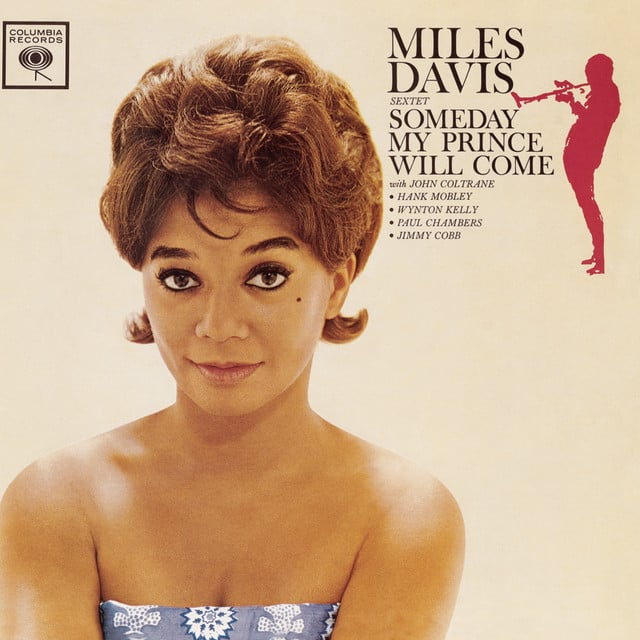
Miles was in the habit of announcing the latest catch in his fecund love life through his albums. The first to receive this honour was the love of his life, the dancer, Frances Taylor, whom Miles prominently displayed in his iconic album, Someday My Prince Will Come in 1961. The world had woken up to this stunningly beautiful woman gracing the cover of that album. It was the first time ever for a black woman to be on the cover of any record album.
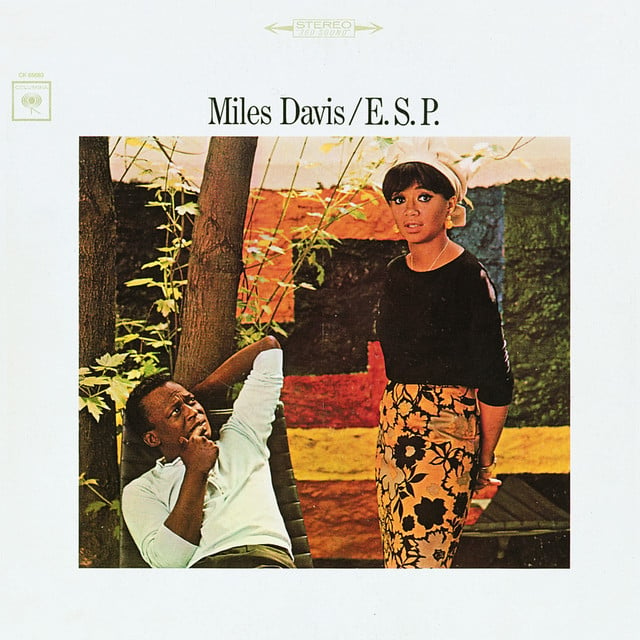
He would accord her another display in the album ESP, 4 years later. In that cover you see Miles reclining in a chair, with Frances standing over him, wearing a head scarf and a polka dot skirt, as Miles ogled her admiringly. This was a man in love. Miles had married Frances, the year before that announcement in Someday My Prince Will Come, in 1960, coterminous with the release of his album Sketches of Spain, influenced by Frances’s love of Flamenco dance. Flamenco as an artform hails from Andalucia, a region in southern Spain, bristling with African history and influence.
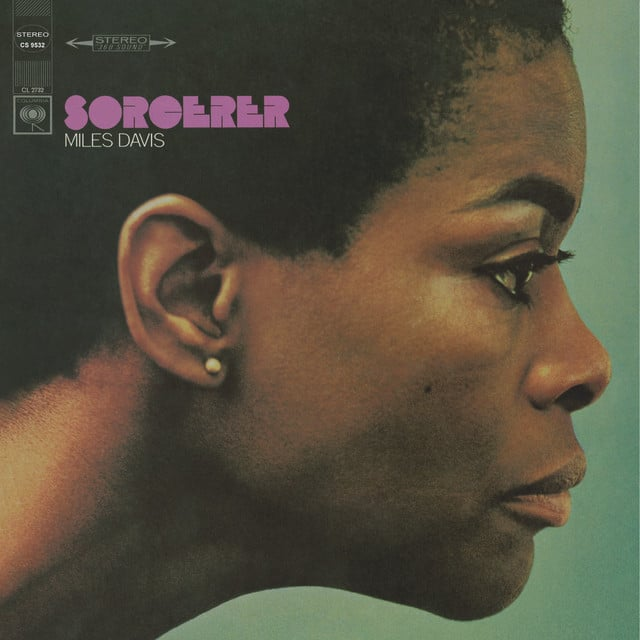
In 1967, it would be the actress Cicely Tyson’s turn, on the cover of Sorcerer, following the demise of his marriage to Frances. There you have Cicely staring defiantly and unflinchingly ahead, in a manner that chimed with the Black Power zeitgeist.
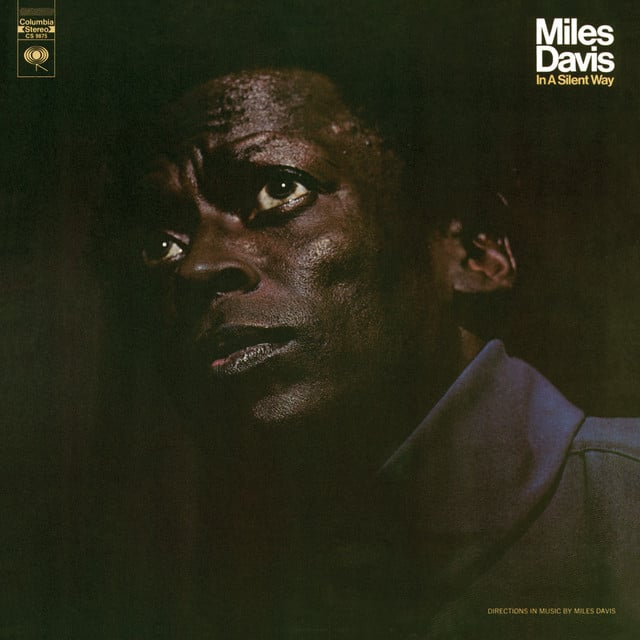
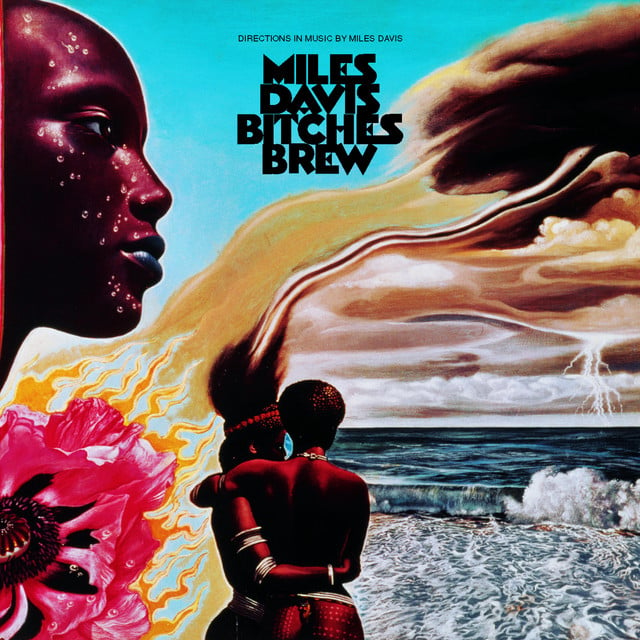
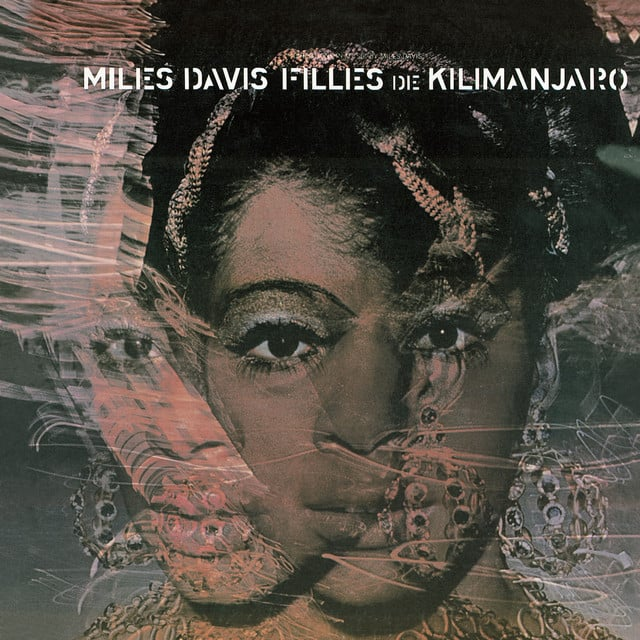
The following year Miles would introduce the sultry funk queen, Betty Mabry, in Files De Kilimanjaro, which presaged his Fusion revolution, inaugurated the following year by the album, In a Silent Way. Miles would marry her, making her his second wife, in a shotgun marriage that lasted all of 1 year. Betty is credited for Miles’s pivot into Fusion jazz, with its transgressive, contrapuntal vibe, which would find full flower in Bitches Brew in 1970.
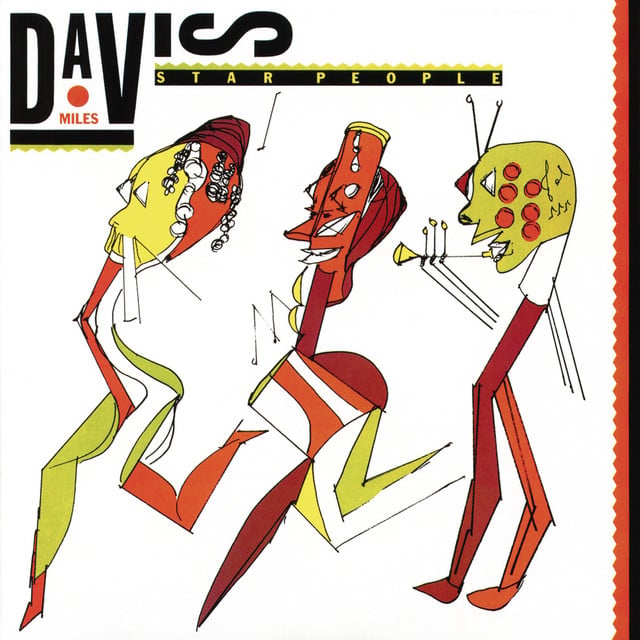
Cicely would return to the fold in the early 80’s following Miles 5-year hiatus from music, occasioned by ill health and burnout. She would earn another mention, Star on Cicely, in Miles’s second album following his 5 year hiatus, Star People. He credits Cicely for nursing him back to full health. They would marry in 1981, his third and final foray into matrimony before the entanglement with Jo.
The one-woman, Miles never put on any of his album covers or songs, was the French singer and actress Juliet Greco, who was part of the Boulevard Saint Germaine intellectual circle, nestled around Jean Paul Satre, Albert Camus and Simone de Beauvoir, the savants of Existentialism. She was nicknamed la Muse de l’existelisme – the muse of existentialism – for her artistry, inspiring the radical habitues of existential philosophy, poets, writers, filmmakers, and playwrights. She was the belle of 50’s and 60’s Paris – incandescently sexy. And she was Miles first true love.
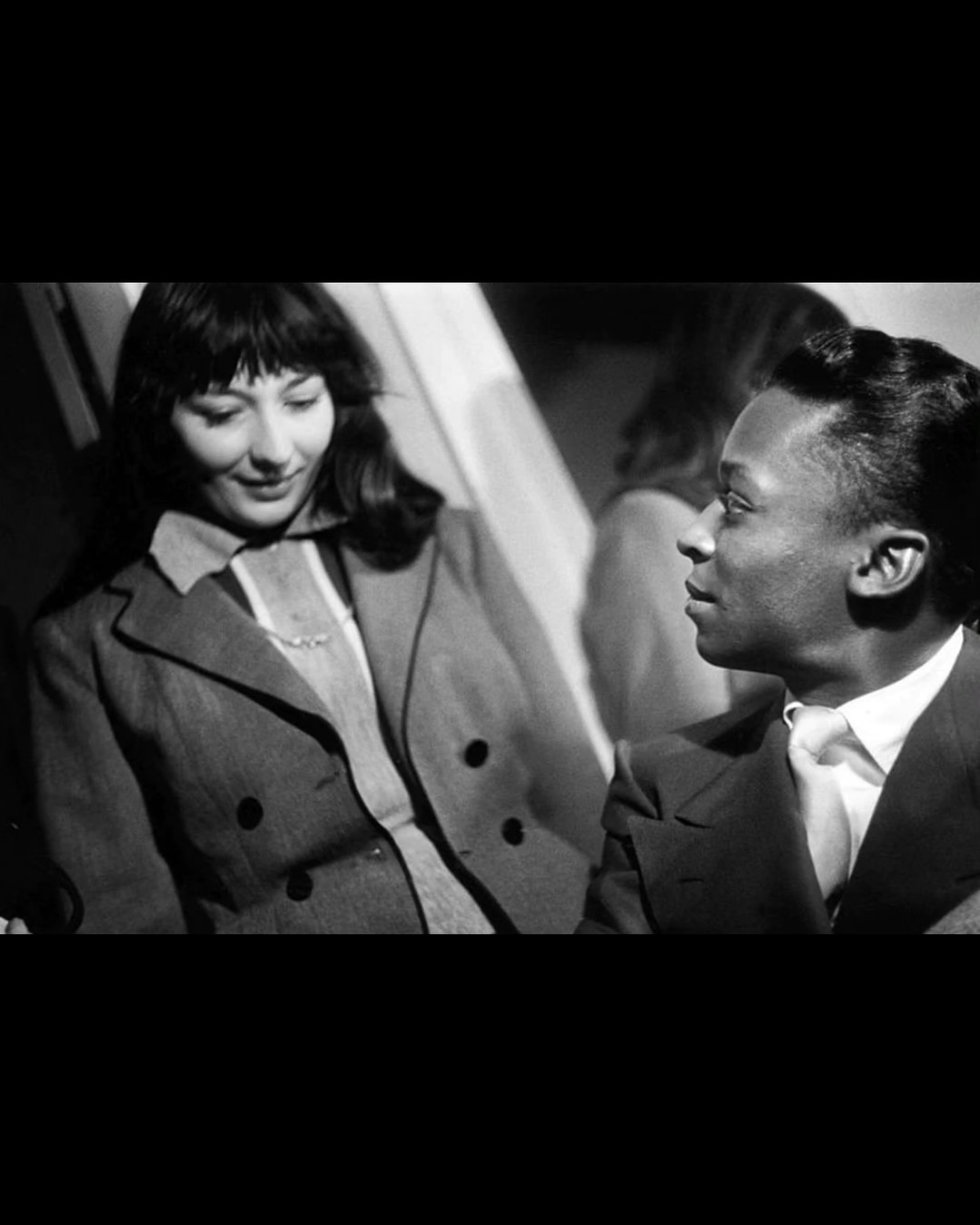
In 1958, Miles recorded the soundtrack for Louise Malle’s film noir, Ascenseur pour l’echafaud (Elevator to the gallows). Miles would upend the paradigm in scoring the film. Instead of watching the finished product and writing a score, he watched the filmic images or rushes in industry parlance, improvising the music contemporaneously to the moving images. It was earth-shatteringly virtuosic. A feat of genius still talked about with awe and reverence.
Could that have been his nod to Juliet? He had not seen Juliet before this foray back into Paris, since 1949, when he had fallen insuperably in love with her, beginning a relationship that never really ended, until Miles’s transition in 1991, bookending other relationships the two of them had with other people over the years. This was an affair for the ages. Miles by his own admission loved two women with all his heart, Frances and Juliet. He must have had Juliet in mind, as he composed this beautiful music.
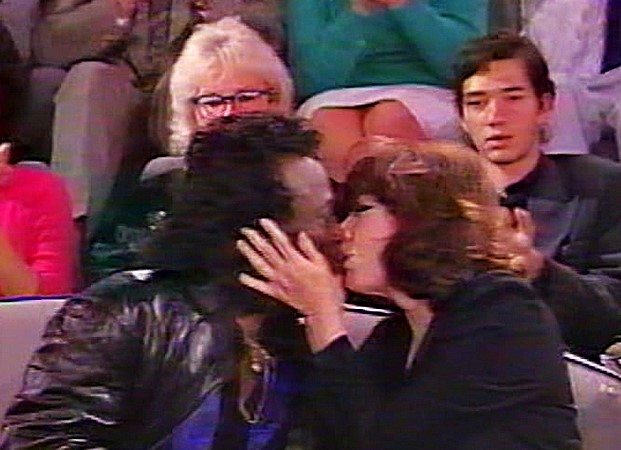
Miles worked on Amandla with the multi-instrumentalist Marcus Miller. This was the third and final instalment of their unforgettable collaboration; an odyssey, which began with Tutu in 1986, another nod to our struggle, personified by the indomitable Arch; Siesta the following year; with Amandla, the terminus in 1989.
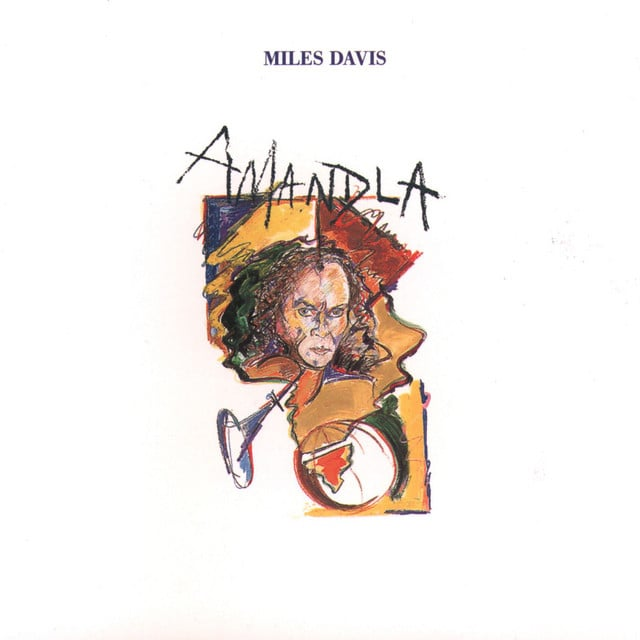
Jo-Jo opens with a veritable sonic riot. A polyrhythmic eruption of torrential beauty and joie de vivre. It is a paean to love. We are walloped by a profusion of wailing brass instruments, a thunderous drum kit, and keyboard, anchored by the syncopation of Miller on bass.
Then the Sorcerer steps up to proposition, seduce and tantalise, with his signature muted trumpet sounding like a human voice. With one note his lyricism grips the heart’s attention. His spacious solos giving room to life’s mystery. Amid this symphonic delectation, the alto saxophonist Kenny Garret, a cat from Motown (African American slang for Detroit, the automobile manufacturing capital of the world for many years. Motortown= Motown); makes a dramatic entry, piercing the intoxicating reverie, with vesuvian verve.
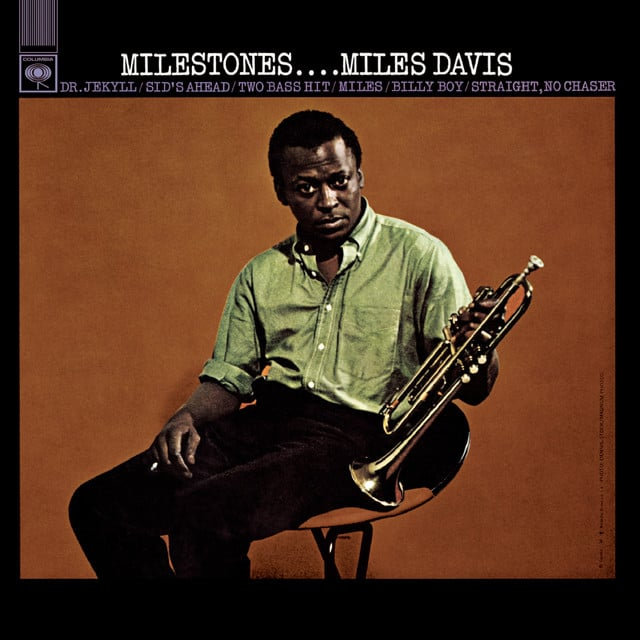
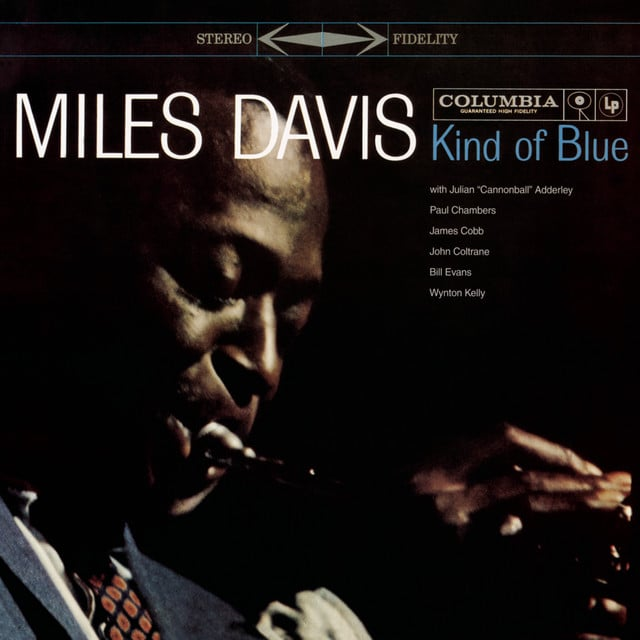
It recalled Julian “Cannonball” Adderly’s introduction to the jazz world in the Sorcerer’s 1958 Milestones, which telegraphed Miles’s pivot into Modal jazz – emblematised by Kind of Blue, the biggest selling jazz album to date, the following year in 1959.
Cannonball had stepped up to blow everyone away in Milestones, a feat, he would repeat in Kind of Blue, where he would eclipse even the great John Coltrane with his luminous and melodic riffs, especially on So What, the album’s signature tune. A star had been born. A cannonball lobbed into the heart of the jazz community.
Garret would do the same in Jo-Jo. He wades into the pulsating groove, with a powerful and melodious solo that leaves you gasping for breath in sheer wonderment. He sustains this elan and exuberance with every song in the album; Catembe, Hannibal, the eponymous Amandla, and Mr Pastorious, where Miles would play with unbridledprolixity, in contrast to his usual minimalist style, to name but a few. Amandla transports one to the stratosphere. Away from the blues of the muck and putrefaction, the Madlanga Commission is excavating on a daily basis. If you are feeling “kind of blue” with all the decrepitude unfolding in our country, try Amandla. It is the ultimate antidote.
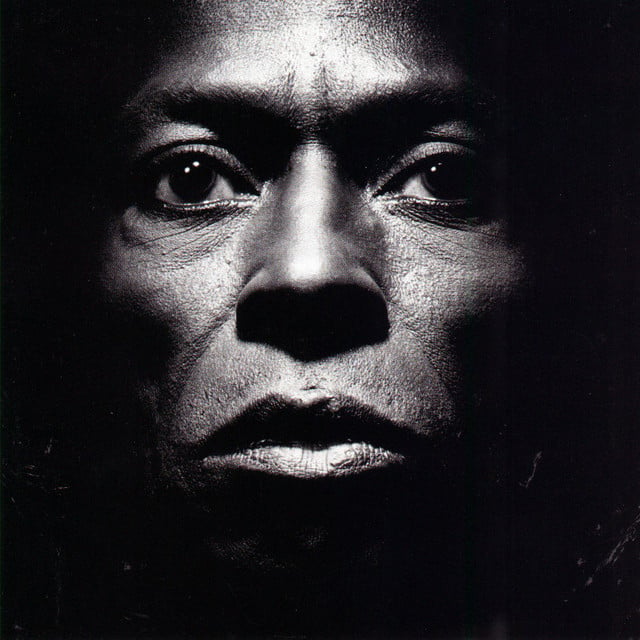
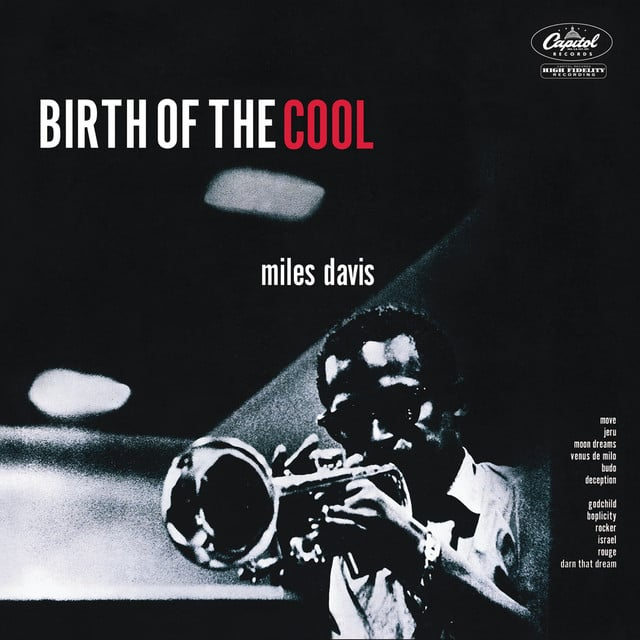
But Miles was more than a jazz artist. He was a cultural phenomenon. He bequeathed us with his inimitable style, swagger, defiance, and authenticity. He was the avatar of Cool. The Cool aesthetic, as some have theorised, is the meta trope of black popular culture. It is a response to the exigencies of the black existential condition – grim and dim. It connotes equipoise, resistance, integrity, stoicism, and non-conformity. It is an attitude of mind that enables one to confront life’s indignities with courage and equanimity. Transmuting adversity into dignity, by denying adversity primacy and traction in one’s life. In Miles, dignity rendezvoused with imperturbability – the essence of Cool. To be “Cool like Miles” became the ultimate compliment. It conferred on the recipient, social cachet, and approbation. Cool cats get laid.
Finally, as the Sorcerer would muse, as he espied his visage in the mirror, “Miles Davis, you are one cool, and good looking mothafatha.” We resoundingly agree. Amandla!