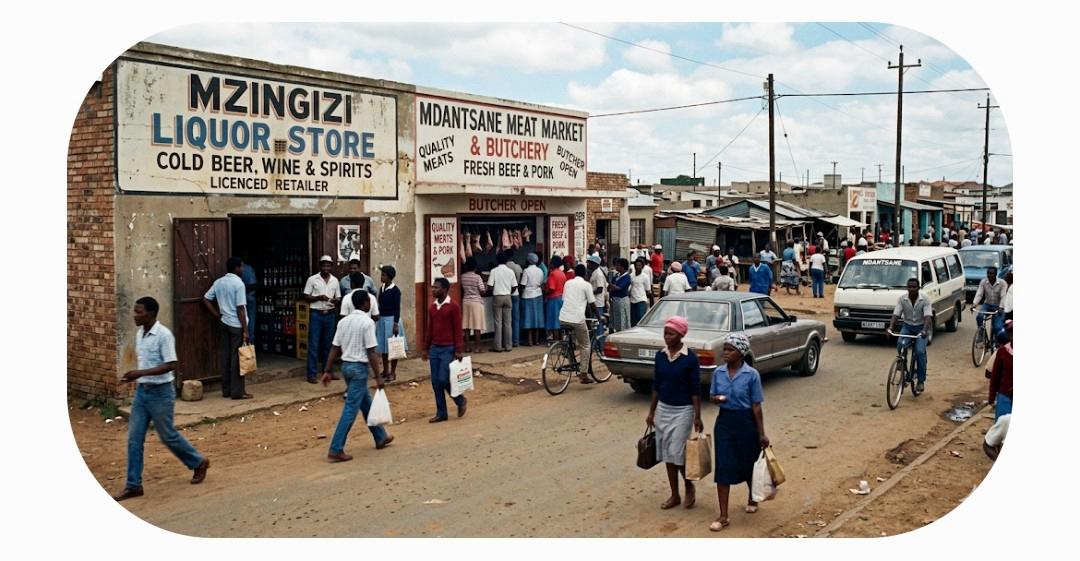
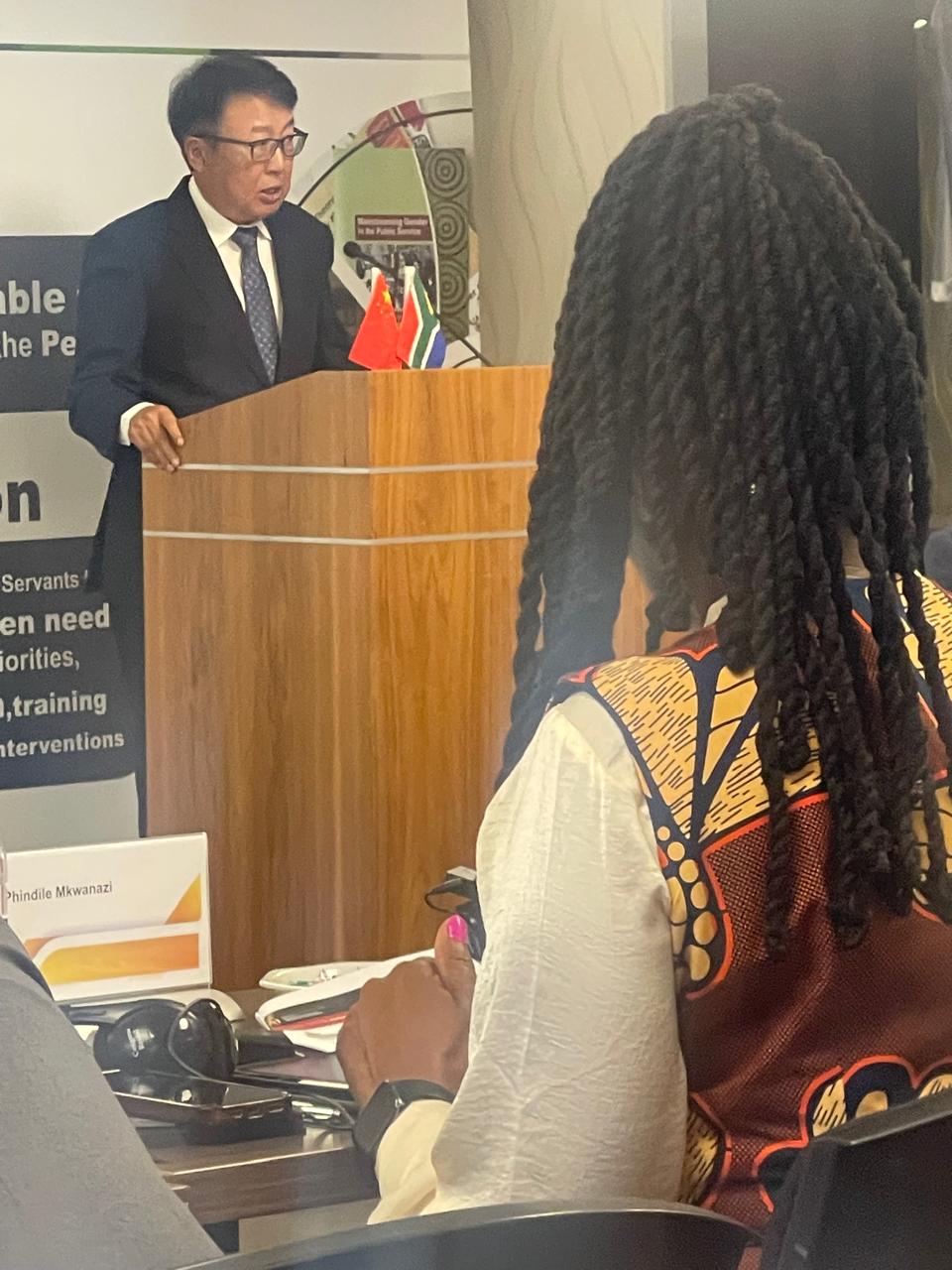
![Two distinct images of Peddie Town in the 1980's, captured wth a 35mm [Image: Supplied to GSMN]](https://gsmn.co.za/wp-content/uploads/2026/06/WhatsApp-Image-2026-06-01-at-19.46.27-1.jpeg)
South Africa’s current debate about immigration, foreign-owned spaza shops, and collapsing township economies suffers from a serious problem: collective amnesia.
A growing number of people speak as though black South Africans only entered commerce after democracy — or worse, as though township trade only became organised after foreign shop networks emerged across rural villages and urban townships.
That version of history is false.
Long before Somali, Pakistani, Ethiopian, or Bangladeshi-owned spaza networks became dominant in many townships, black South Africans had already built functioning commercial economies under apartheid — despite land dispossession, influx control, forced removals, and deliberate economic exclusion.
Nowhere is this forgotten history clearer than in the Eastern Cape.
From New Brighton and KwaZakhele in Gqeberha, and Mdantsane in East London, to Mthatha, Butterworth, Cala, Ngcobo, Tsomo and Peddie, black-owned businesses once formed the backbone of community life.
These were not “informal hustles”.
They were structured local economies built under severe political constraint.
They emerged despite legislation designed to restrict black economic advancement — from the Native Land Act of 1913, to the Group Areas Act of 1950, and successive homeland policies. The reality is not just that these businesses existed, but that they survived and functioned within systems never designed for their success.
The Township Businesses That Held Communities Together
In KwaZakhele, New Brighton, Zwide and Mdantsane, black entrepreneurs built entire local economies while excluded from formal commercial zones.
Families operated grocery stores, butcheries, coal depots, transport services, taverns, clothing outlets, funeral businesses and general dealer stores serving thousands of working-class residents employed in the automotive and manufacturing sectors.
The Headbush family became known for funeral services and community commerce. The Kakaza family operated grocery and general dealer networks linked to industrial workers around Ford and General Motors. The Tini family built transport, retail and funeral service businesses.
Other families such as the Spelmans and Nazos ran butcheries, coal and grocery enterprises long before township infrastructure had fully developed.
These businesses were not just commercial operations. They extended credit, supported households in crisis, financed schooling needs, and provided stability where formal systems were absent.
Trust was the currency of survival.
The Forgotten Rural Trading Economy
Beyond the townships, a wider commercial system existed across the former Ciskei.
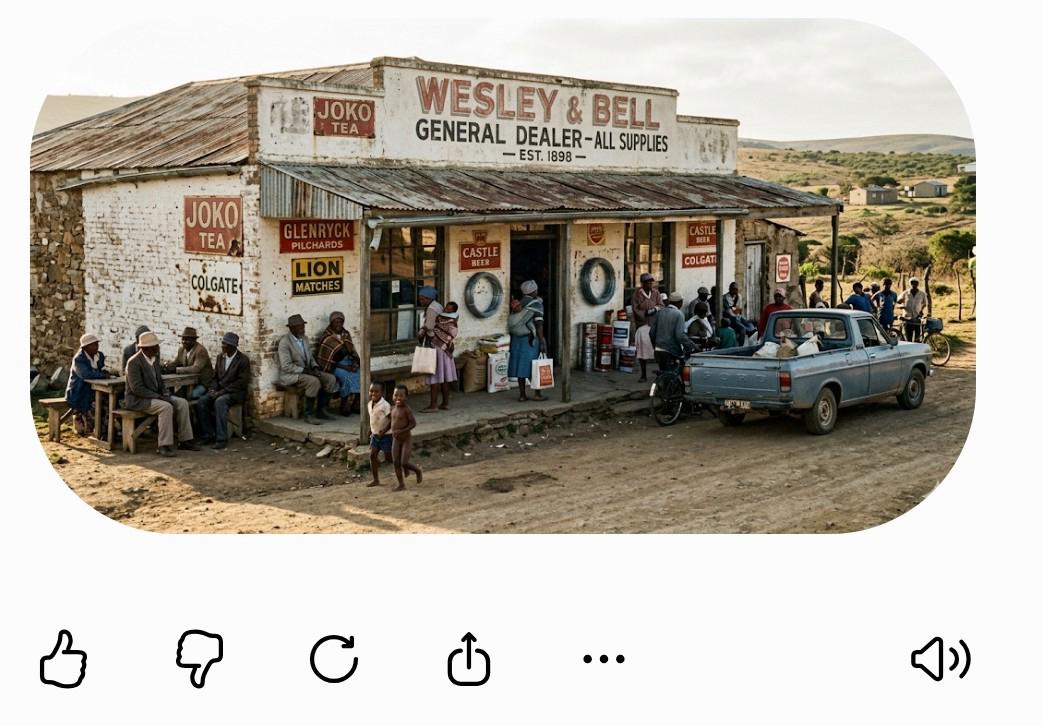
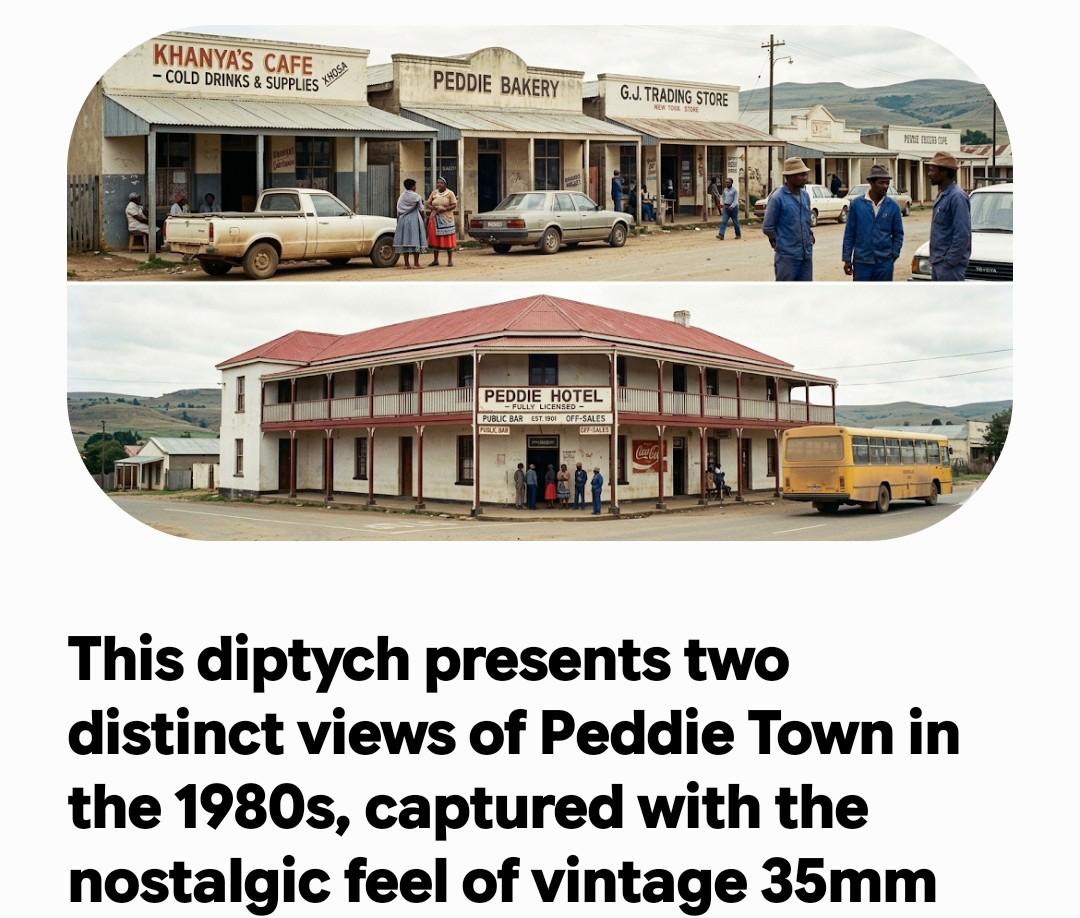
In towns such as Mthatha, Butterworth, Cala, Ngcobo, Tsomo and Peddie, trading stores formed the centre of rural economic life.
They functioned as retail points, informal credit systems, pension collection hubs, communication centres and transport coordination points. The experience of Peddie in the former Ciskei illustrates this well. Mr May’s butchery became a trusted and successful local enterprise, while Kwa Dudumayo trading store served surrounding villages as a key commercial hub.
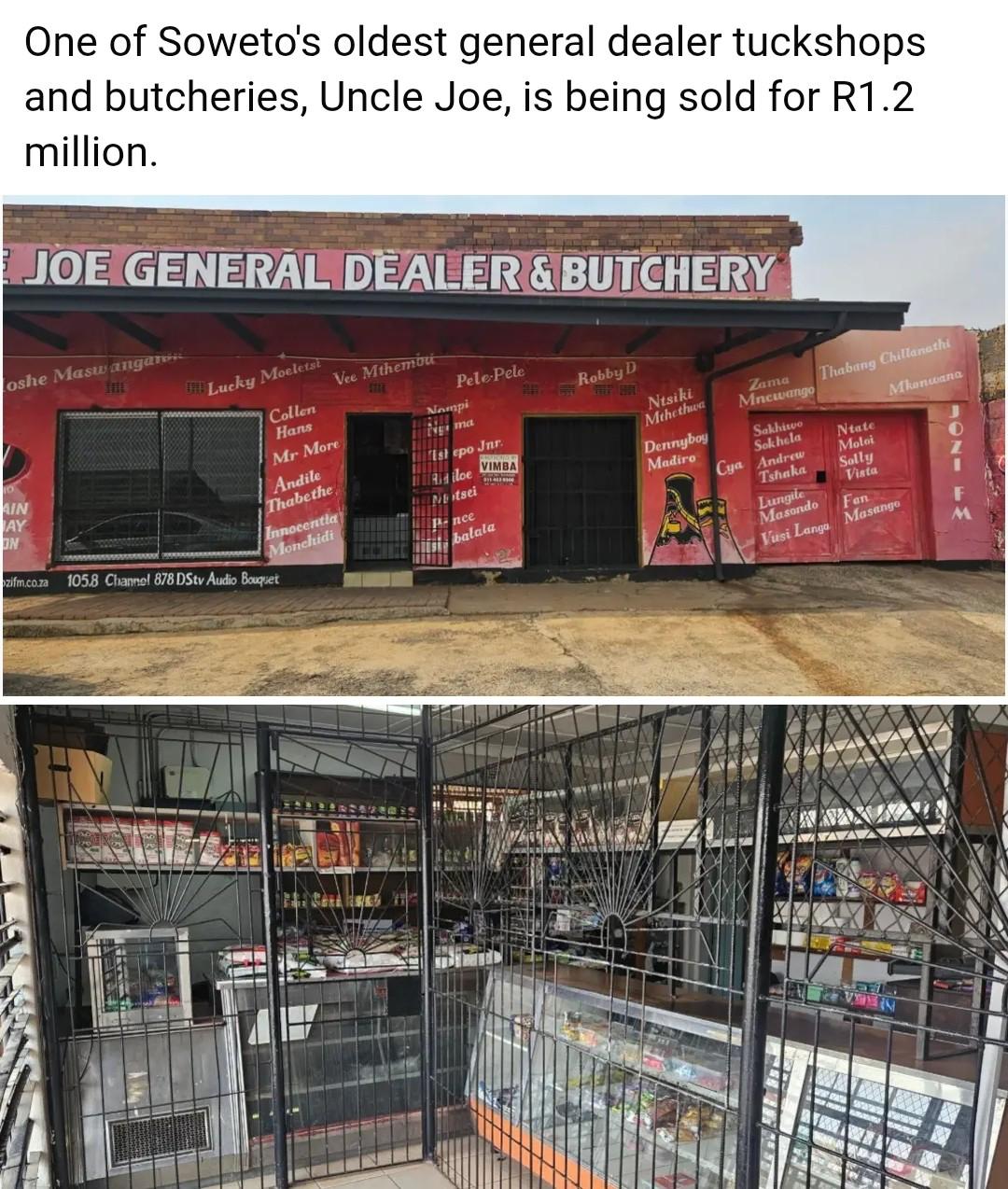
This pattern was not unique to Peddie in the former Ciskei. Similar systems existed across Mdantsane, Soweto, New Brighton and KwaZakhele, as well as throughout the former TBVC states, where trading stores, transport operators, butcheries and funeral businesses formed the backbone of everyday economic life.
In Mthatha, this extended into boutiques, salons, hospitality, bus transport and funeral services. Institutions such as the Savoy Hotel and Gwiliza Undertakers became part of a growing black commercial class.
This was a functioning economy built on trust, networks and community continuity.
Black Financial Institutions Existed Long Before BEE
In 1951, professionals and business leaders from the Transkei established Prosperity Insurance Company in Mthatha — a black-owned financial institution serving communities excluded from mainstream finance.
It provided funeral and life cover, employed professionals, and operated in a context where black participation in formal banking and insurance systems was severely restricted.
This predated Black Economic Empowerment by decades.
It demonstrated a simple truth: exclusion was structural, not capability-based.
How Agriculture and Migrant Labour Sustained Local Business
The Eastern Cape economy functioned through circulation of wages. Employment on farms around Bathurst, Alexandria and Peddie, industrial work in East London, and tourism-linked jobs such as Fish River Sun and Mpekweni generated income flows into households.
The pineapple industry around Bathurst and the Albany district, employment generated by the Fish River Sun and Mpekweni tourism developments, and industrial jobs linked to East London’s manufacturing sector, including the Mercedes-Benz plant and Johnson & Johnson operations, created an important flow of income into township and rural communities.
Those wages moved directly into local businesses — butcheries, general dealers, transport services, clothing shops and informal traders.
Without this circulation, the trading-store economy would not have survived.
The Eastern Cape Produced More Than Businesses — It Produced Leaders
Business income was reinvested into education. Families funded schooling and higher education, producing teachers, nurses, lawyers, clergy, journalists and political leaders. Institutions such as Fort Hare, Lovedale and Healdtown became centres of African intellectual formation.
The liberation struggle drew heavily from these same communities. Figures such as Nelson Mandela, Oliver Tambo, Walter Sisulu, Govan Mbeki and Robert Sobukwe emerged from regions where commerce, education and political consciousness were deeply connected.
So, What Changed After 1994? Post-1994 South Africa opened to global and regional migration, while simultaneously experiencing industrial decline, municipal weakening and infrastructure deterioration.
At the same time, the retail landscape itself changed structurally. Large formal retail chains expanded deeper into township and rural markets through modernised supply chains, bulk purchasing systems, distribution logistics, and national-scale pricing power. This reshaped local consumer patterns and significantly increased competition for small, family-owned trading stores that had previously operated with limited external competition.
In many areas, township and rural spending increasingly flowed into these formal retail networks, particularly as wage income, grants, and remittances were absorbed into highly centralised supply chains. This shift further compressed the space in which independent traders and general dealers could operate at scale.
Foreign-owned spaza networks also expanded through coordinated supply chains, pooled capital and pricing advantages. At the same time, local enterprises faced rising crime, falling incomes and limited access to finance.
The result is visible across many communities: shrinking local ownership and rising economic stress.
But this must not erase historical fact.
Black South Africans already had functioning commercial systems before these changes.
The issue was never capacity.
The issue was structural collapse.

The Real Problem South Africa Refuses to Address
The current crisis is not simply about foreign nationals.
It is about the erosion of local economic systems.
Industrial decline, weak municipal governance, shrinking employment and collapsing infrastructure dismantled the ecosystem that once sustained township and rural enterprise.
Young people today are growing up without the economic base that once supported earlier generations.
But frustration cannot replace historical truth.
When societies lose economic memory, they begin to believe false narratives — including the idea that black South Africans were not traders, merchants or businesspeople before foreign retail expansion.
That is historically incorrect.
What Needs to Happen Now
South Africa cannot rebuild township economies through fragmented support measures.
It requires coordinated economic reconstruction.
Agricultural expansion in the Eastern Cape, revival of industrial zones in Butterworth, Dimbaza and Mthatha, and investment in logistics and agro-processing are essential.
The goal must be employment-intensive industries that rebuild local economic circulation at scale.
Because communities that once sustained themselves can do so again — if conditions are rebuilt.
Restoring Historical Memory
None of this justifies xenophobia or violence.
South Africa’s constitutional order is built on dignity, legality and coexistence.
But meaningful debate on immigration and township economies cannot proceed on the assumption that black South Africans lacked commercial history.
They did not.
Before foreign-owned spaza networks, black South Africans were already traders, transport operators, financiers, funeral entrepreneurs, retailers and hospitality operators.
They built functioning economies under conditions far harsher than today.
The real question is not whether they could build businesses.
History already answered that.
The question is whether South Africa can rebuild the economic systems that once sustained them.
Because this is not a story of absence.
It is a record of continuity.