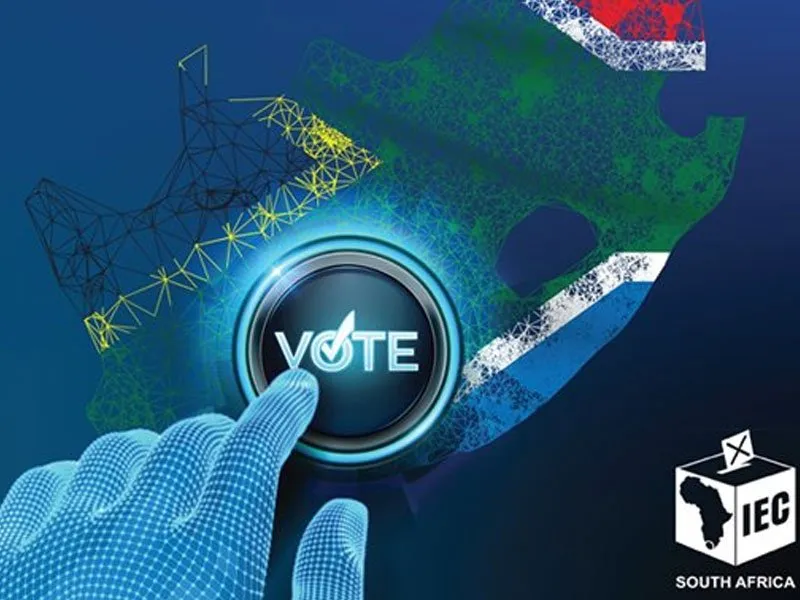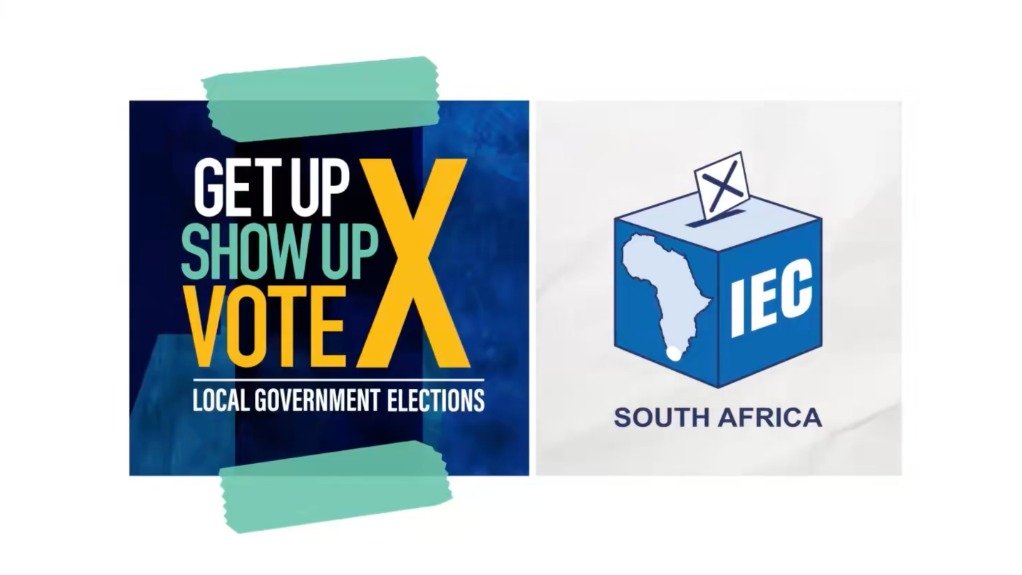
South Africa’s Independent Electoral Commission (IEC) is in full swing preparing for local government elections in November. Theirs is a fundamental pillar of the country’s nascent democracy, replete with its imperfections. As I will highlight below, theirs can also be a thankless job.
At every interval in our country’s democratic trajectory, the IEC causes all of us to pause, and take stock of the performance of our political parties inside and outside of parliament. Subsequent to such appraisal, the electorate decides which party to entrust with their mandate for public office. It is a system that is fraught with loopholes and shortcomings. But then again, thus far it remains the most viable embraced by the electorate.
One of the reputable characteristics of the IEC is the organization’s humility and civility in dealing with electoral matters of our nation, including in moments of great differences of political opinion. Methinks that humane face of the IEC is derived largely from the personalities of its recognizable public faces such as Chief Electoral Officer Sy Mamabolo, IEC Chairperson Mosotho Moepya and the IEC’s official spokesperson, Kate Bapela, among others.
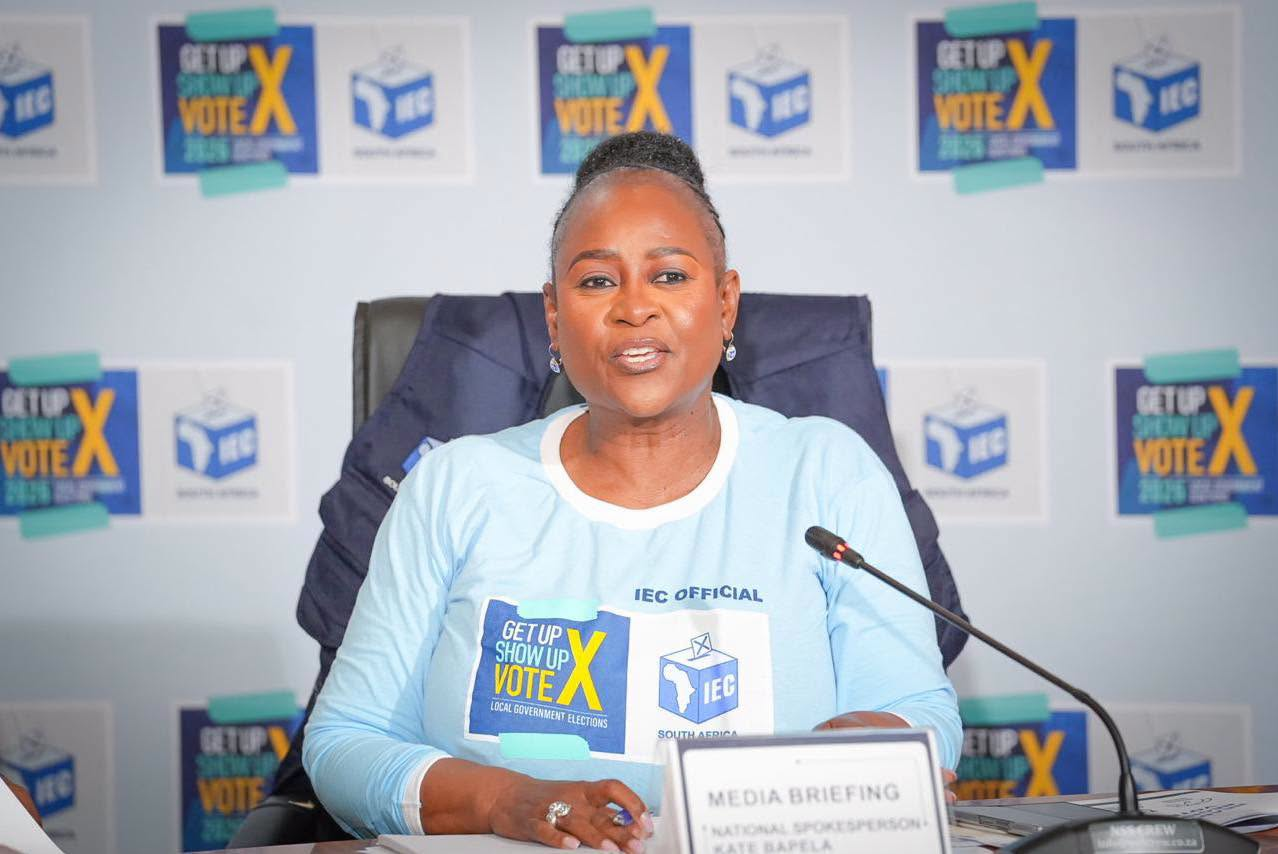
The collective electoral management of the IEC is a stunner. They pull and push together in evident harmony. This kind of leadership among one of democratic SA’s Chapter 9 institutions is highly commendable and deserve nothing but praise.
Our nation is littered with examples of wrongdoing across our public governance system. Based on available evidence, the IEC represents a semblance of green-shoots amid a shrubs-infested field.
Several weeks ago, in Kempton park, the IEC launched a special issue in the Journal of Africa Elections (JAE). It was a continuation of a dialogue that had started last year during a symposium that looked at the “complexities, dynamics, challenges and opportunities relating to the funding of political parties in the national and provincial legislatures in SA”.
According to the IEC, the dialogue “unpacked critical issues relating to transparency in political funding, regulation and management, accountability and pertinent reforms for equitable and transparent political funding”.
In addition, other topics discussed included “corporate funding of politics, vote buying in Africa (what the law says and what is being practiced), public funding and legal frameworks”.
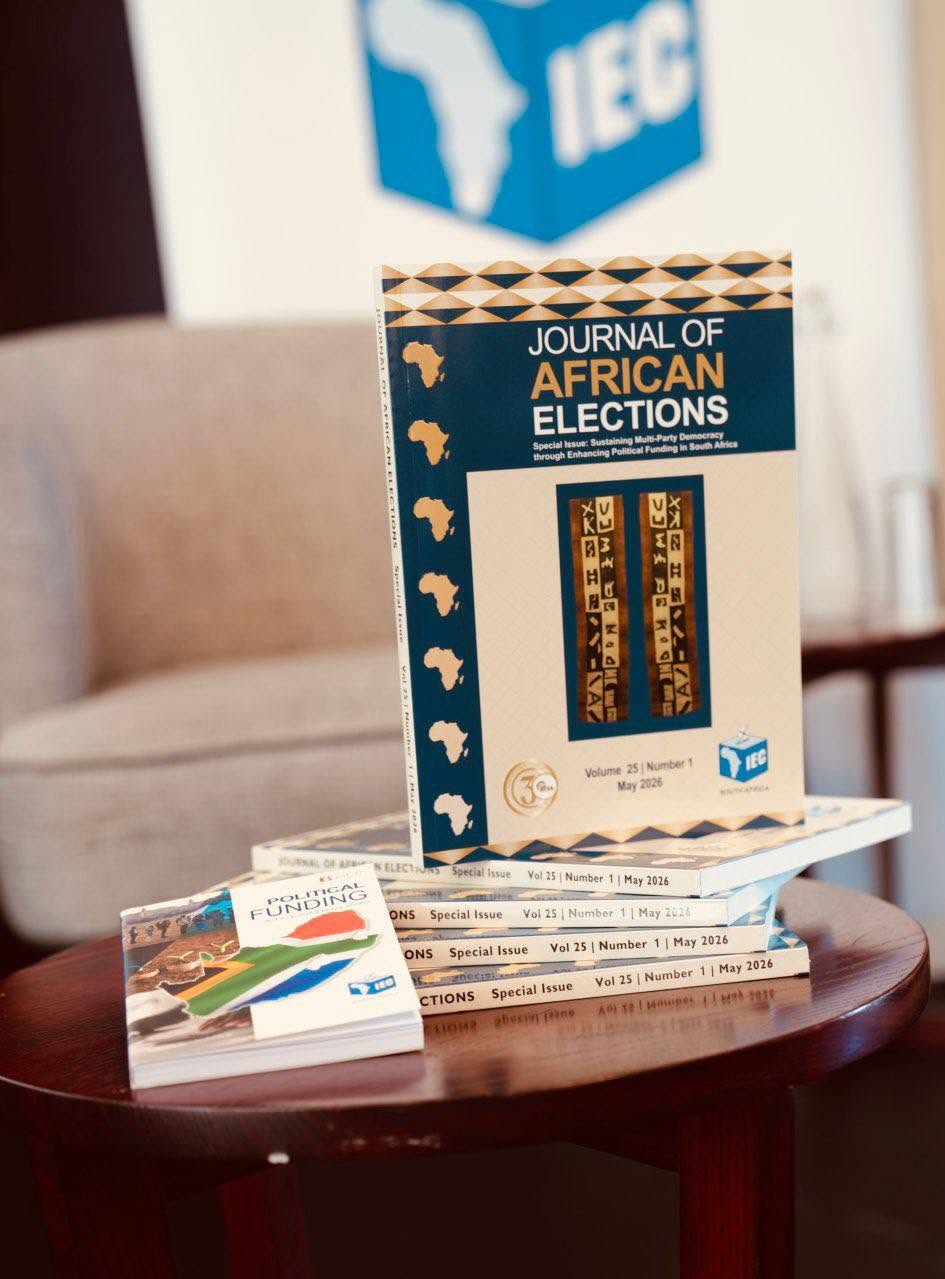
Now, for the uninitiated, see – the IEC is not myopically seized with the straight-jacket staging and management of elections every five years and continuously through by-elections. The IEC makes a bold effort to tackle a myriad of challenges emanating from their auto-ethnographic work to lessons learnt from elsewhere, particularly in Africa where similarities abound.
I quite like shining the torch on the “role of money in African politics”. This is not a uniquely African or SA problem. We see this phenomenon in the US electoral system in particular. In US politics, “money talks”, and as they say, balderdash walks.
It sounds and reads like an idiom from a Mafia playbook. However, it has been practiced cowboy-style in US politics and copied elsewhere in the developed and developing world alike.
The tragedy for Africa has been to mimic this immoral approach to elections and politics in quite self-harming ways.
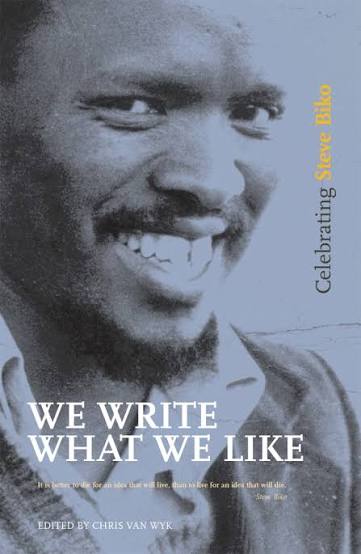
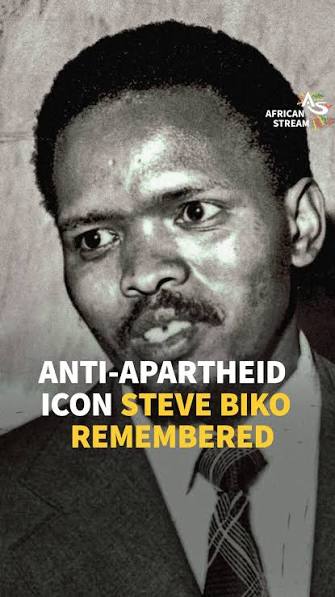
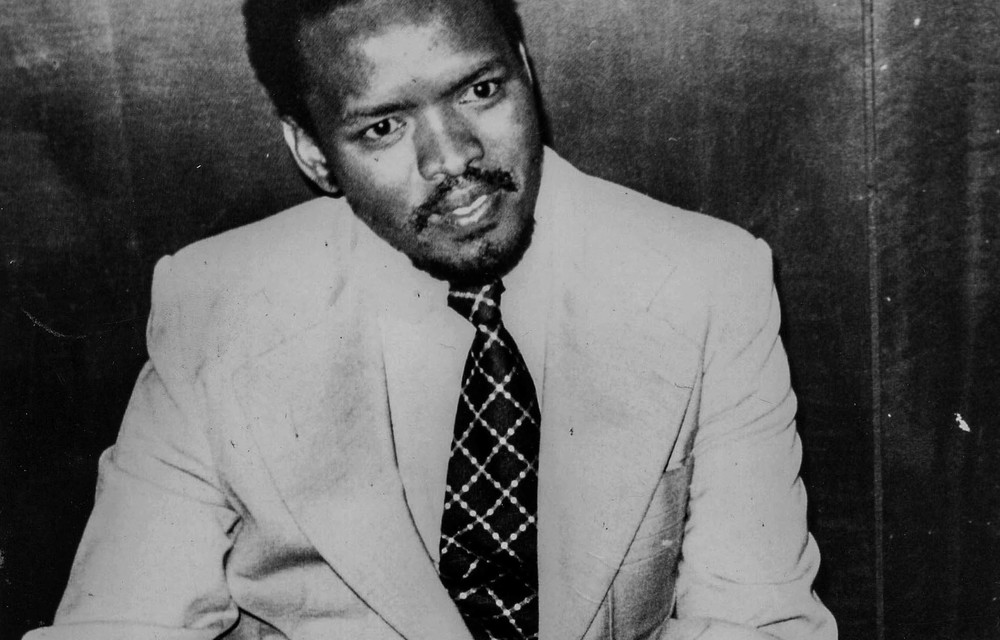
The beginning of wisdom in elections is not necessarily possession of higher education. Steve Biko argued this factor persuasively during the 1975-76 SASO-BPC Trial in Pretoria.
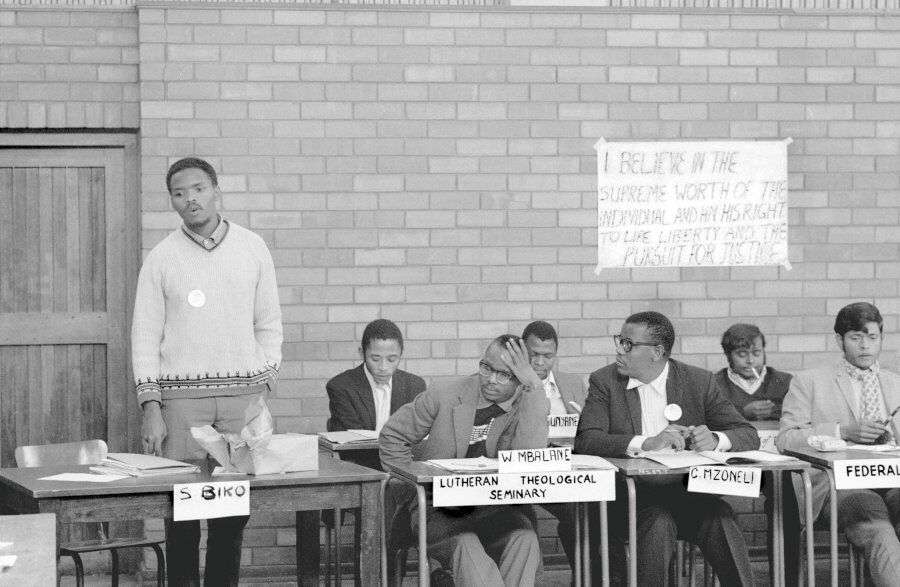
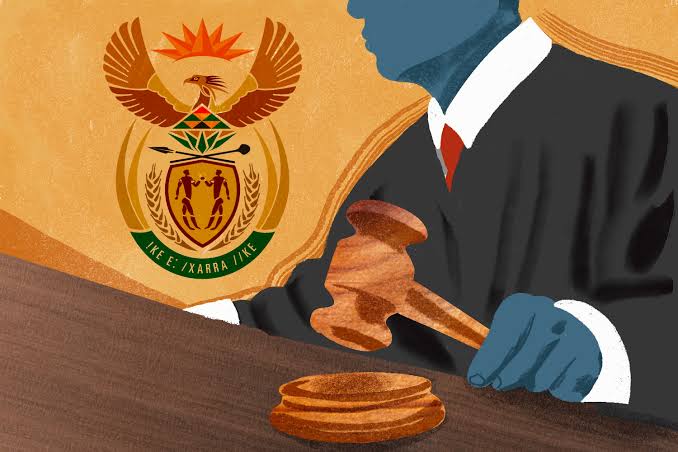
Presiding Judge Piet Boshoff challenged Biko’s demand for one man, one vote by claiming the bulk majority of uneducated Blacks would not be able to make informed choices during an election due to their lack of education.
Biko, who believed in an “open society” with “no reference to colour”, argued that if complex issues were explained to Blacks in their own languages they would make informed choices even “better than an average Afrikaner”.
Although the intense political discourse took place at the height of apartheid by two thinkers at opposing end of the equation, Biko’s logic about the role of mother tongue in dialogue still ring true. However, I must hasten to add that Biko – the erudite philosopher, who studied both medicine and law at universities in KZN and Pretoria, did not mean to downplay the importance of education, least of all higher education, in society.
He was strictly opposed to the politics of exclusion based on the dangerous assumption that inability to converse in English or any other domineering language represented political fair-play.
The IEC carries out its work, especially campaigns, in all of SA’s official languages. In fact, the drafters of SA’s Constitution must have had Biko in mind when they declared all spoken languages as equal before the law and all of them official.
The IEC carries declaration to the depths of its meaning, thereby benefiting all people regardless of the language they speak. In any language, the IEC shows that the electorate can grapple with complex issues and reach informed decisions of their own.
But back to that role of money in our politics: In SA, responding to great public pressure, the Political Funding Act was enacted in order to safeguard the vulnerable and gullible alike from being taken advantage by political sharks with deep pockets.
The Act mandates the disclosure of all private donations exceeding R100, 000. According to the law donors are capped at a maximum of R15 million “per single donor, per party, per financial year”.
Big Business will always support their own choice of political party for their own nefarious objectives. Big Business supports no party for any reason other than control and ultimately making more money. Economic 101 teaches us that the role of business is make business.
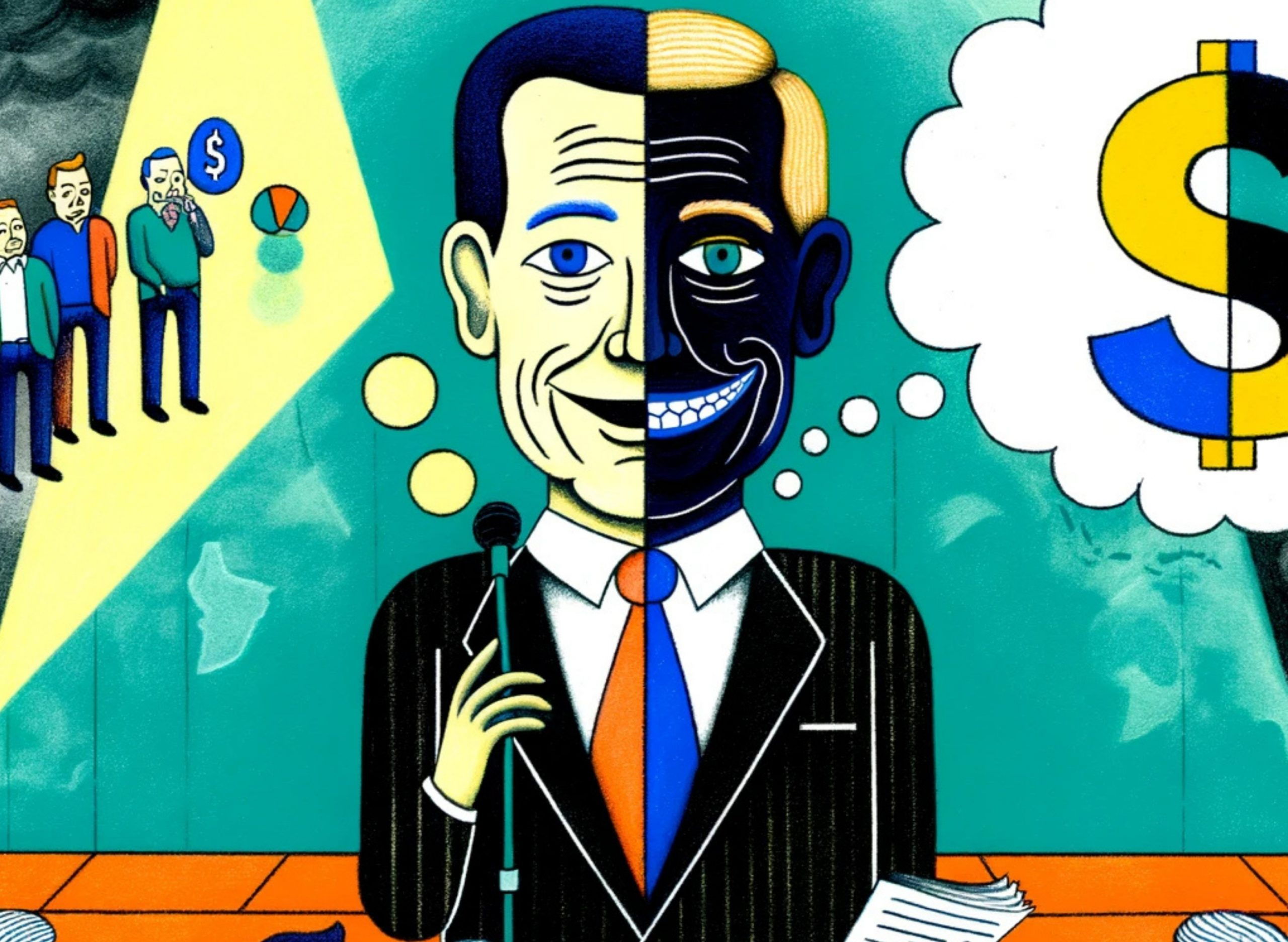
Ruling parties are generally the biggest beneficiaries of big business donors who want to influence legislation and political direction of a nation, oftentimes circumventing the will of the people.
SA is littered with political parties. There are currently over 400 registered political parties and only 18 are represented in the National Assembly.
All of them without fail enjoy generous financial backing from declared and undeclared donors. In most cases, the size of financial backing to a political party is reflected in size of seats in parliament. Indeed, money talks.
We should be thankful to have a hugely credible IEC at the centre of our electoral management and control. We need not look too far outside of our borders to know how fortunate we are as South Africans.