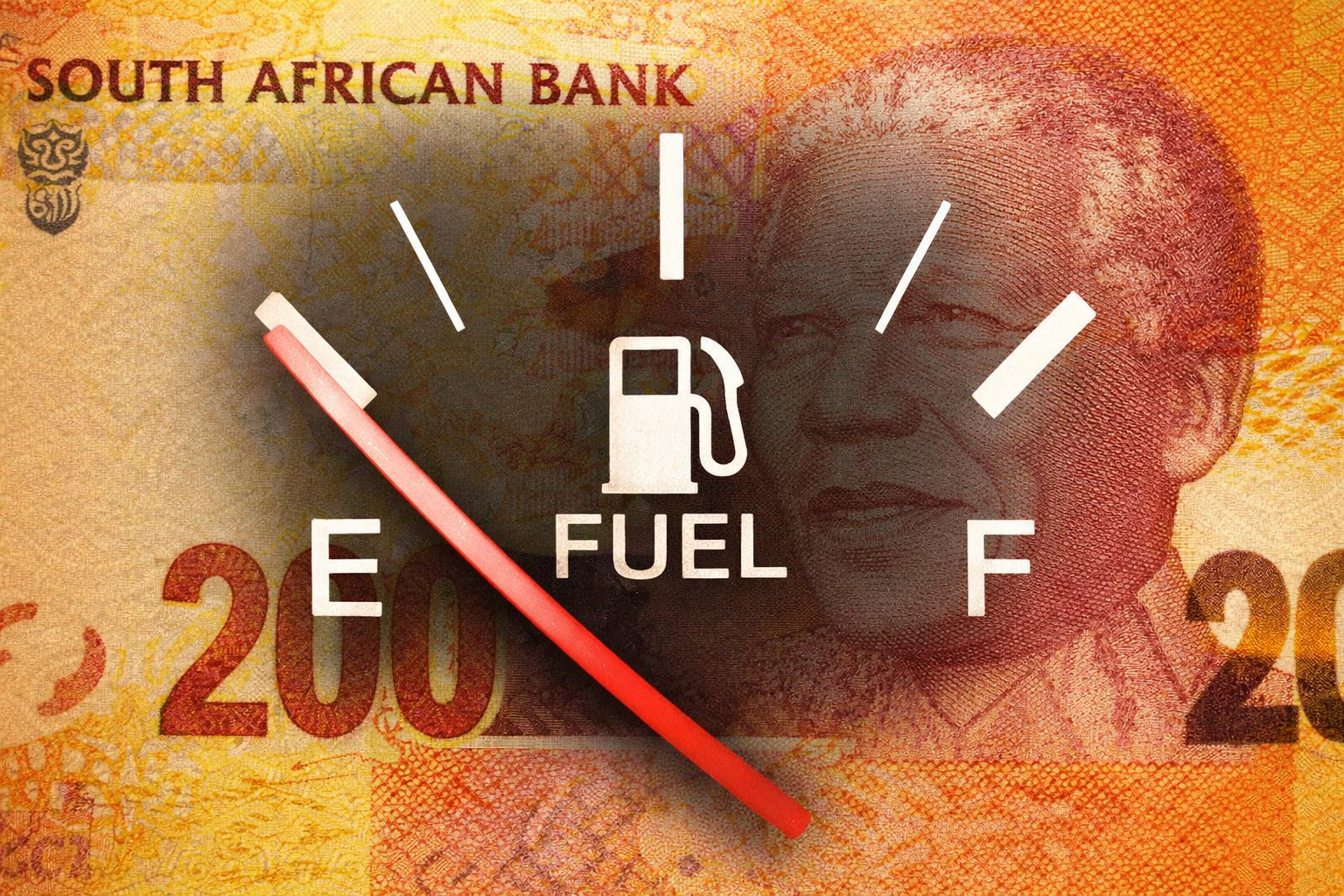
MISA, the Motor Industry Staff Association, believes it is premature and irresponsible to raise the prospect of retrenchments in South Africa‘s fuel retail sector when workers are already facing severe economic hardship.
“South Africa continues to grapple with one of the highest unemployment rates in the world, while households remain under pressure from elevated interest rates, rising living costs, increasing transport expenses and persistently high food prices. Protecting jobs must remain a priority for employers throughout the retail motor industry,” says Martlé Keyter, MISA‘s Chief Executive Officer: Operations.
The latest fuel price increase, which takes effect this week, will undoubtedly place additional pressure on fuel retailers and consumers alike. MISA maintains that fuel price fluctuations are a normal feature of the global economy and do not justify immediate discussions about retrenchments.
“Unemployment remains unacceptably high, many households are burdened by debt and elevated interest rates and workers are under tremendous financial pressure. Retrenchments should be the absolute last resort, not the first response to a temporary reduction in fuel sales,” says Keyter.
MISA acknowledges that independent fuel stations, particularly those operating in smaller rural communities, may experience greater challenges when fuel prices rise and consumer spending comes under pressure. The Union believes that the current situation requires resilience, innovation and constructive engagement rather than panic-driven decisions that place workers’ livelihoods at risk.
“Workers should not become the shock absorbers for every economic challenge facing business. The retail motor industry has weathered difficult periods before, including economic downturns, the COVID-19 pandemic and periods of significant fuel price volatility. Employers, labour and government must work together to find sustainable solutions that protect both businesses and jobs.”
MISA further notes that many workers in the fuel retail and broader motor industry sectors already spend a significant portion of their income on transport, housing, electricity and debt repayments.
Any loss of employment would have devastating consequences not only for individual workers but also for their families and the communities that depend on them.