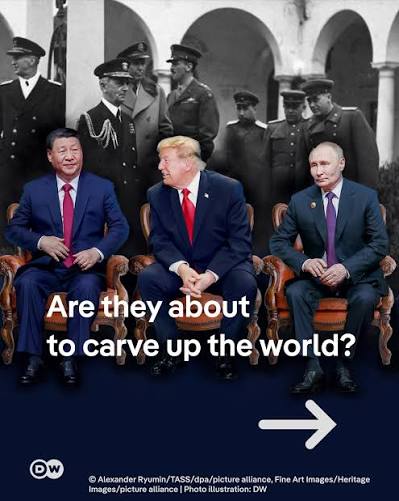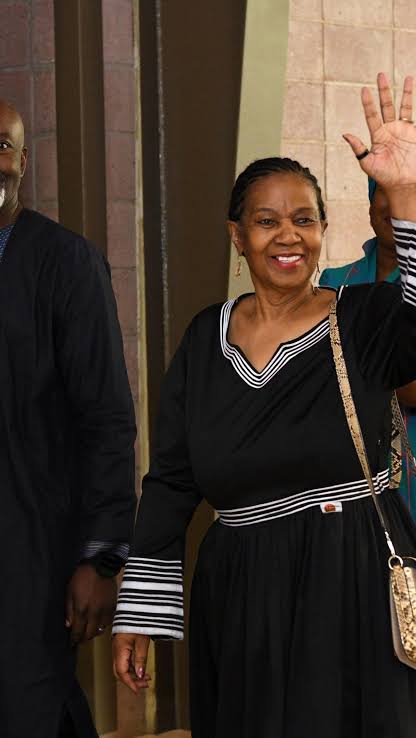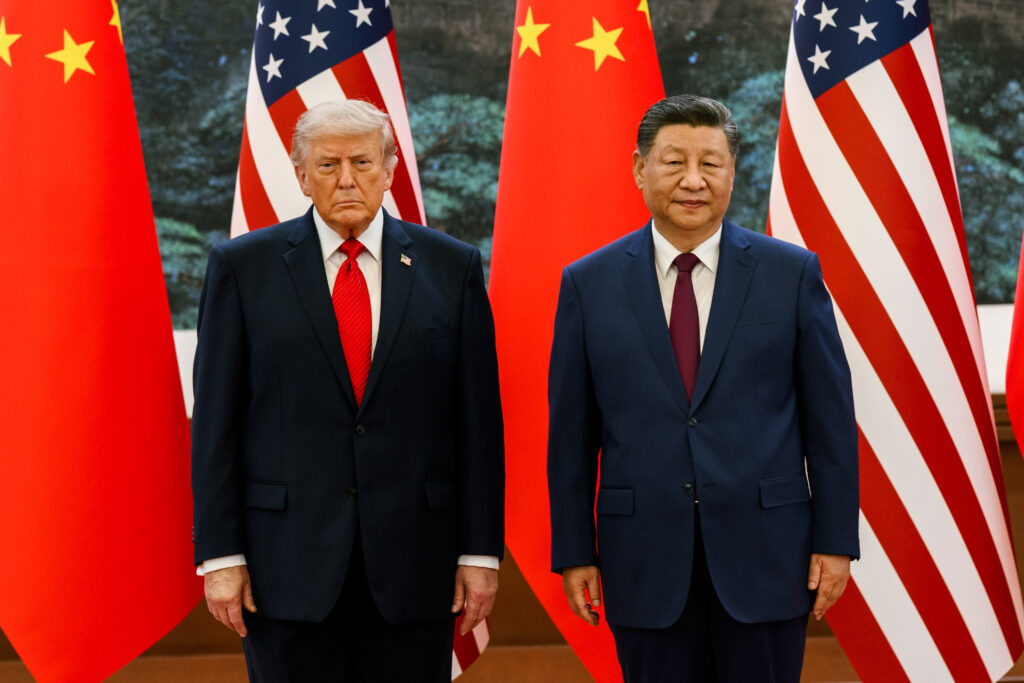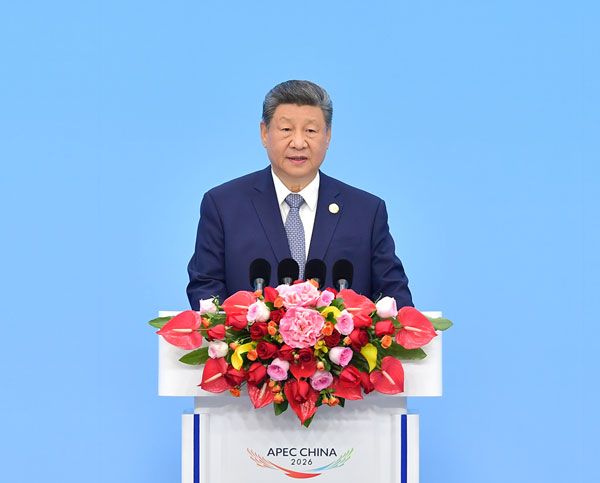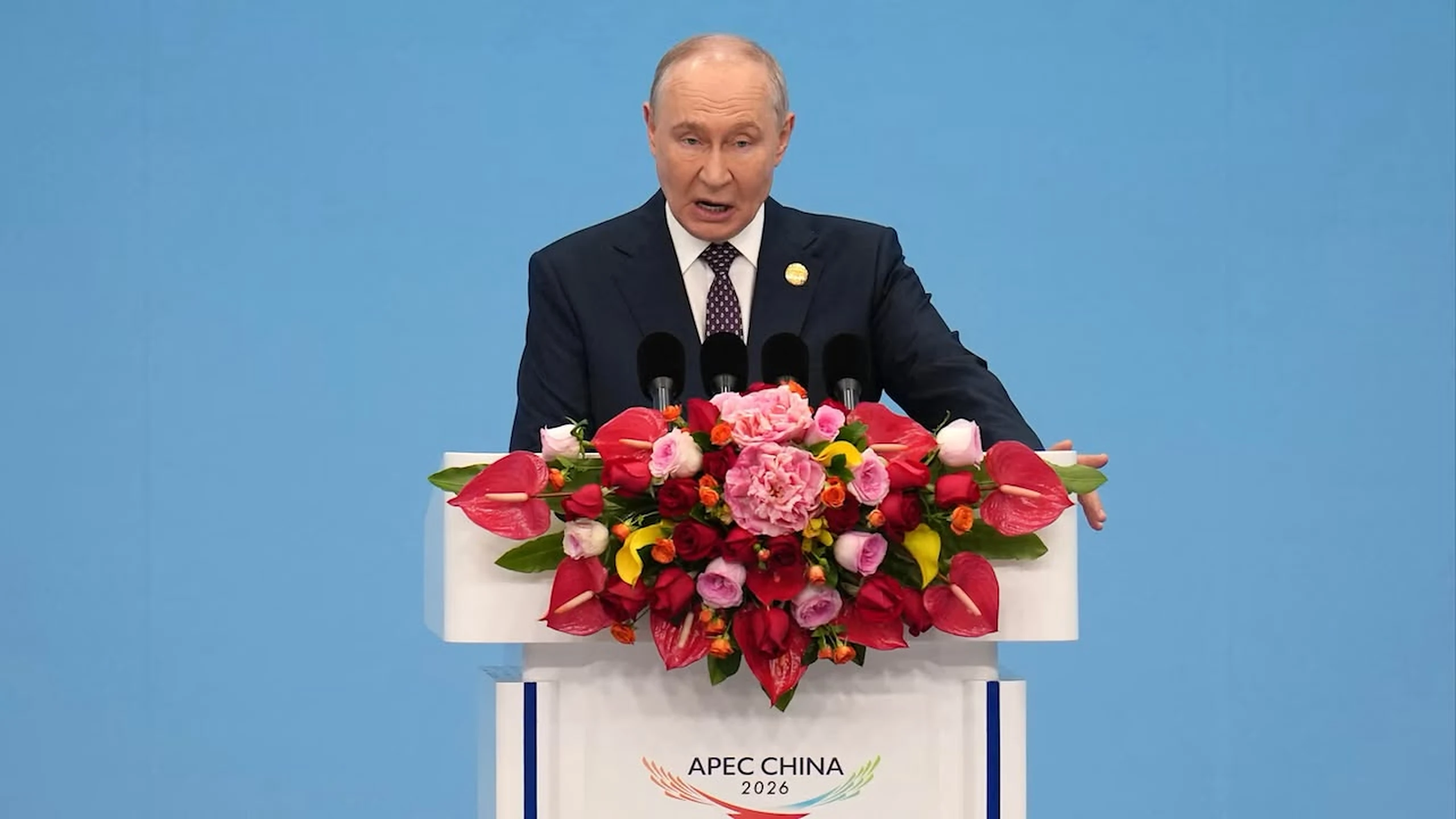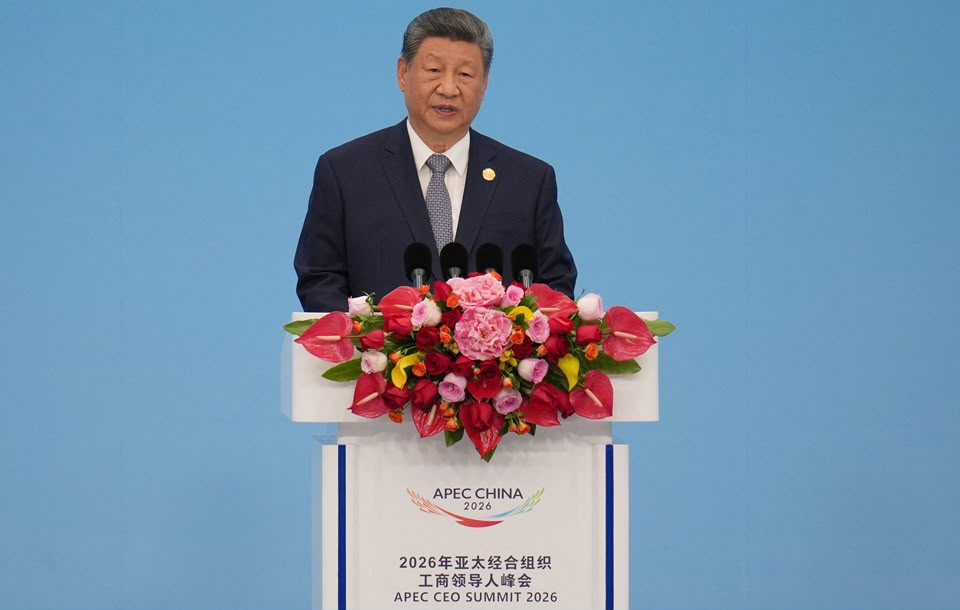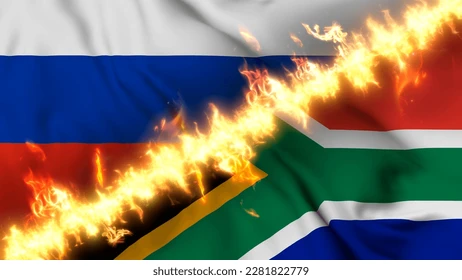
DETERIORATING RELATIONS: SA’s foreign policy has gradually shifted away from Russia in favour of the West. Photos: Courtesy of Shutterstock
South Africa’s frosty bilateral relations with the Russian Federation have to worry every freedom fighter who still remembers what it was like to have very few allies at the height of apartheid.
There is a trend, a trend impossible to miss, in which SA’s political leadership under President Cyril Ramaphosa has developed a growing chasm between Pretoria and Moscow in favour of dancing with the West, particularly the US.
Perhaps I should hasten to invoke Mandela, who when Washington protested South Africa’s very public embrace of Cuba’s Fidel Castro and PLO’s Yasser Arafat bluntly retorted by saying, and I paraphrase: “No one must dictate who South Africa’s allies should be.”
The great Mandela delved into our history of the Struggle against apartheid, when “friends were few”. Like the Cubans and Palestinians, Russians were among SA’s fewest friends at the height of a time when ANC freedom fighters, including Mandela, were dubbed terrorists.
Ronald Reagan, together with the UK Prime Minister Margaret Thatcher and West Germany’s Chancellor Helmut Kohl, formed a powerful international front in support of apartheid South Africa, providing diplomatic support at the UN and elsewhere until the end.
Through it all, the Soviet Union was providing to the ANC and other liberation movements military training and weapons to wage armed struggles. In addition, the Soviets opened the learning institutions for Africa’s freedom fighters to study in preparation for the future as we saw following the dawn of democracy in 1994.
Two of South Africa’s iconic political figures were treated like royalty in Russia. Moses Kotane and JB Marks were treated in Russian hospitals until their passing – John Beaver Marks in August 1972 and Kotane in May 1978. The two also served at the highest level of the South African Communist Party (SACP). The Russians gave them hero’s funerals outside Moscow, for years maintaining their graves at the Novodevichy cemetery as heritage sites.
Bilateral relations between Pretoria and Moscow have historically reflected this comradely history. In fact, during the President Jacob Zuma administration, the remains of both Marks and Kotane were repatriated following family requests and reburied in their liberated South Africa in March 2015. Marks was laid to rest in his ancestral land in Ventersdorp in the North West and Kotane in his beloved Pella/Tamposstad, outside Rustenburg and nearer Swartruggens, also in the North West province.
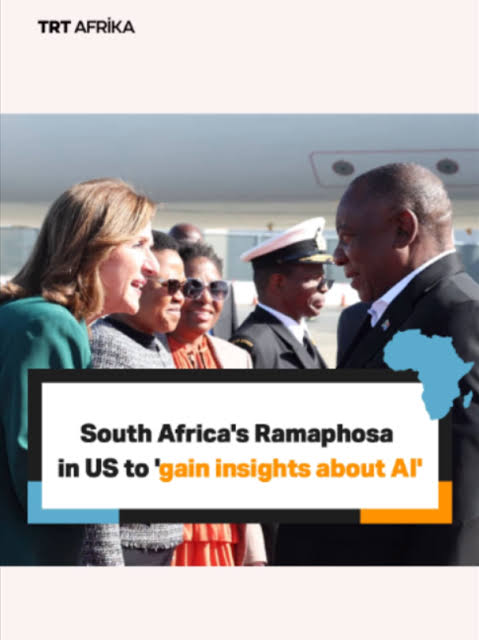
COURTING SILICON VALLEY: President Ramaphosa was warmly received in California whilst on a mission to attract AI investments into SA; Photo: TikTok
Our relations with Russia, therefore, need to understood, and appreciated, in the light of our special history. Despite these ties, Russia has never put any pressure on Pretoria not to be cozy with the West.
In pursing closer ties with Washington and the West, it would have been ideal that SA does not kick Russia to the bottom of its interests. If not for anything, at least for what Russia did to the ANC when very few regarded the ANC as a terrorist organization, and banned them both inside apartheid SA and across virtually every Western capital.
This week’s visit to the US by President Ramaphosa really got me thinking about the meaning of comradeship. Granted, President Ramaphosa was in the US to canvas investment in the AI data centres in SA, a new imperative for development in the 21st century.
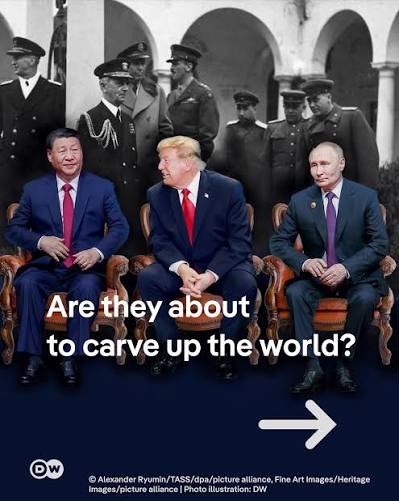
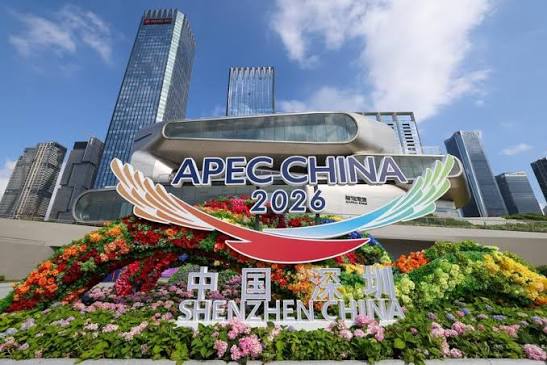
He landed in the US when his counterpart, Donald Trump, was out of town – first in Manila in the Philippines and later in Shenzhen, China. The timing is very interesting. The last time President Ramaphosa was in the US it was such a spectacle, with Trump running rough shod over him in the White House over false claims of a “white genocide”. Despite that public dressing down, President Ramaphosa was back, accompanied by a large contingency that gave meaning to the value the Presidency attaches to the trip.
Only last month, the last week of October, President Ramaphosa declined invitation from President Vladimir Putin to attend the Russia-Africa summit in Moscow, citing as a pretext electioneering in the lead-up to the November 4th Local Government Elections. Fair, on the face of it. However, when one could have expected President Ramaphosa to delegate his foreign affairs minister to represent him, that wasn’t to be. Instead, he sent an administrator, the Director-General of DIRCO, Zane Dangor.
This apparent snub cannot be viewed in isolation. It was the same administration that undertook to arrest President Putin if he attended the 15th BRICS Summit that took place in Johannesburg in August 2023, this in line with the dubious warrant of arrest issued by the International Criminal Court (ICC) against the Russian leader’s alleged war crimes amid the war with Ukraine.
This is the trend I referred to earlier. Pretoria’s bilateral relations with Moscow must be rock-bottom.
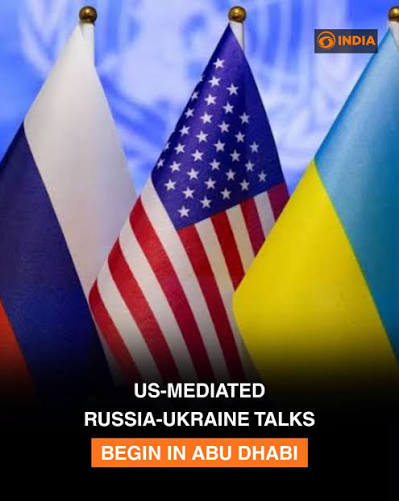
Oftentimes the West attempt to put pressure on the determination of SA’s foreign policy direction, and posture. This they do with a degree of success. Since Russia’s war with Ukraine broke out, Pretoria has steadily moved away from Moscow to be on the right side of Western sanctions.
But not only that, President Ramaphosa hosted Ukrainian President Volodymyr Zelensky at the Union Buildings in the capital in April 2025. It was the first official visit by a Ukrainian head of state to SA in 33 years. The move demonstrated SA’s shifting foreign policy interest increasingly away from Russia to the West.
I do not think it is in SA’s national interest to shun Russia in pursuit of Western interests. As Mandela would have opined, we should be the masters of our own destiny. No one should dictate of SA’s allies are, or need to be. Our sovereignty should never be negotiable.
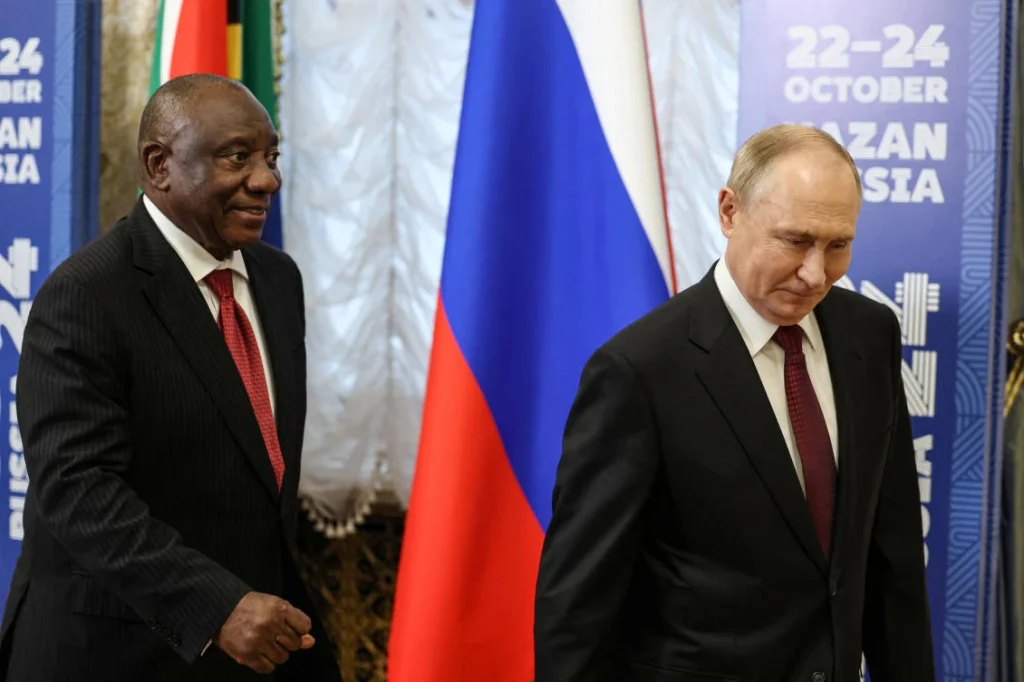
IN HAPPIER TIMES: President Ramaphosa seen here warmly received by the Russian leader whilst visiting the Russian Federation. : Photo: Arab News