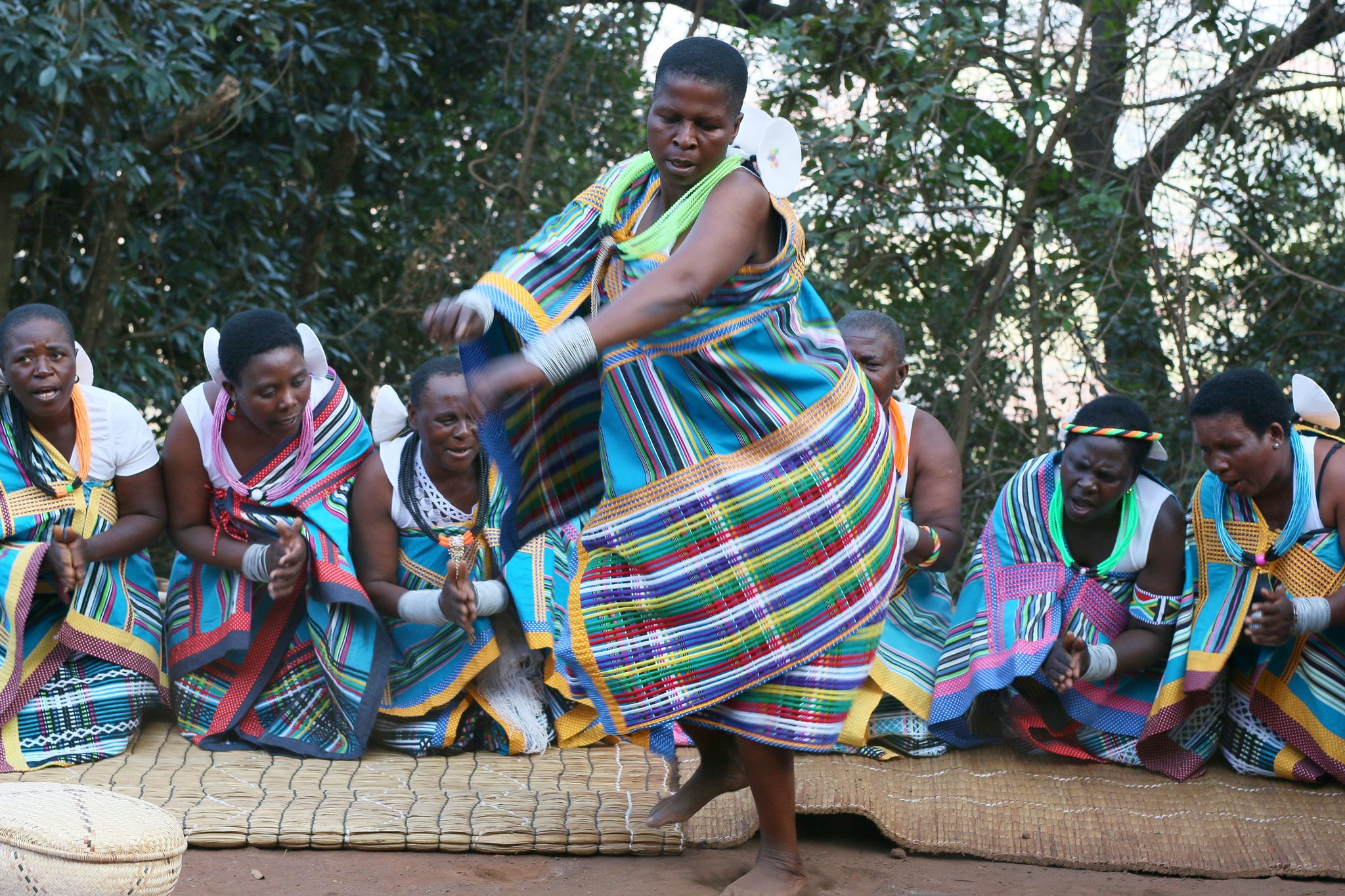
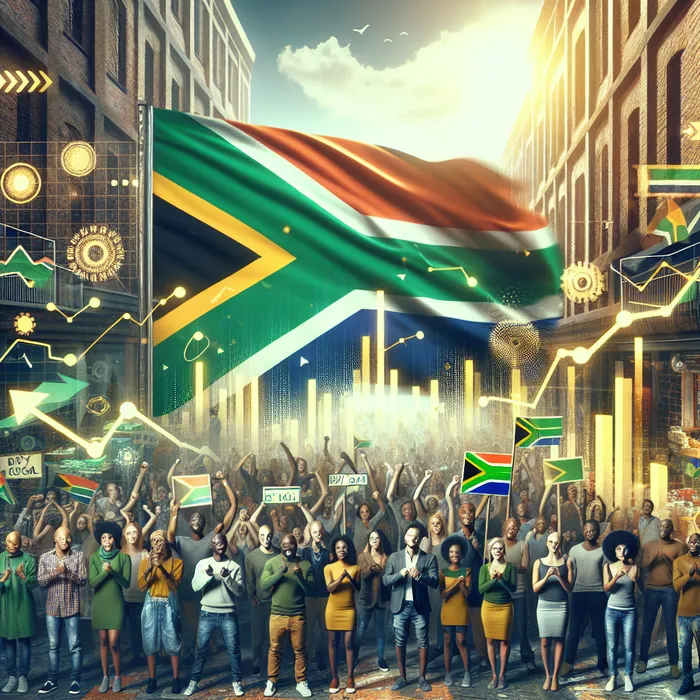
Every September, South Africa celebrates Heritage Month. It is during this time that indigenous music briefly takes centre stage: the Zulus’ maskandi, Bapedi’s tsa manyalo (Lekompo), Tsonga rhythms, and other traditional genres appear across radio, television, and newspapers. Artists are interviewed, their music played, and their stories showcased. Yet, once the month ends, the spotlight fades, and these artists return to the margins.
This cycle raises troubling questions. Why do our indigenous musicians only receive visibility during September? Why are they still dismissed as “backward” or “outdated”? Why do advertisers shy away, claiming that such music does not attract audiences?
This dismissal of indigenous music as “backward” or “uncivilised” reveals something deeper: the persistence of colonial mentality. Even today, some African people themselves look down on artists who continue to play indigenous music, perceiving them as outdated or unworthy of serious attention. I am not arguing that we must all enjoy the same type of music—tastes will always differ—but I take issue with the disdain directed at indigenous genres. This contempt is not about preference; it reflects internalised colonial thinking.

Scholars such as David & Okazaki (2006) and Nunning (2015) define colonial mentality as the internalised sense of cultural inferiority experienced by formerly colonised populations. In the South African context, this manifests in the belief that indigenous music is primitive, while Western genres are seen as modern and aspirational. Such attitudes are the product of colonial brainwashing, which taught people to reject their heritage and measure progress by Western standards. When African audiences dismiss their own music as “uncivilised,” they are, knowingly or unknowingly, perpetuating this colonial mindset. This does not just harm the musicians; it weakens cultural pride and reinforces the very structures that sought to erase indigenous identity in the first place.
Defining indigenous music requires recognising its profound connection to identity. As Merlan (2009) notes, “indigenous” historically denotes communities deeply tied to place and often marked by colonisation.

As Yende (2023) reminds us, colonialism and apartheid systematically undermined indigenous music, labelling it “evil” or “inferior.” Western standards of civilisation and culture were promoted as the pinnacle, while African oral traditions, communal performances, and rhythmic intricacy were devalued. This legacy persists in today’s media structures, which still prioritise Westernised genres.
Colonial mentality continues to shape perceptions of indigenous music. Colonial education deliberately reinforced this mindset, teaching Africans to deny their heritage while celebrating European culture. By systematically discouraging the teaching of African customs, music, and languages, colonial powers disrupted the transmission of indigenous knowledge across generations. Nadal (2011) identifies four manifestations of colonial mentality: self-denigration, devaluation of indigenous culture, discrimination against less Westernised in-group members, and the acceptance of oppression. Together, these forces created generations who grew up alienated from their roots and disconnected from their music.

This historical suppression explains why indigenous musicians today often remain invisible, except during Heritage Month. It also explains why advertisers and media gatekeepers hesitate to embrace these genres, seeing them as commercially “weak” rather than as powerful cultural assets.
Yet, there is hope. Social media is reshaping the landscape. Platforms like TikTok and Facebook provide indigenous artists with direct access to audiences, bypassing traditional media biases. As Ndlovu-Gatsheni (2015) argues, decoloniality means breaking free from colonial thought systems and reclaiming one’s identity. TikTok has become exactly that: a digital space of resistance, creativity, and pride. On these platforms, young people are dancing, remixing, and celebrating indigenous music. They are demonstrating that the problem was never a lack of interest, but rather a lack of exposure. By reclaiming visibility online, artists are challenging outdated assumptions and rewriting the narrative.
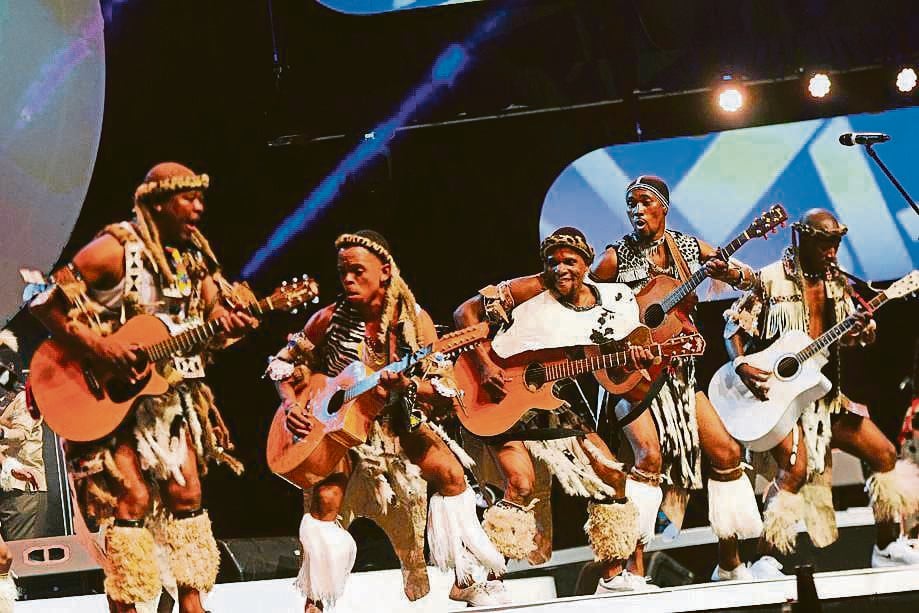
The truth is that indigenous music is not a seasonal ornament to be dusted off every September. It is a living archive of identity, resilience, and cultural pride. For too long, mainstream media has reduced it to a token gesture during Heritage Month. The time has come for broadcasters, advertisers, and audiences to give it the recognition it deserves….not for one month a year, but throughout the year.
Indigenous music is not backward; it is the soundtrack of who we are as South Africans!