South Africa’s foreign policy configuration since the twilight of apartheid has been characterised by an evolving commitment to “active non-alignment” and an increasingly strategic engagement within the BRICS coalition. Popular analytical frameworks predominantly interpret such shifts in terms of geopolitical pragmatism or economic strategy
aimed at positioning South Africa favourably within the global order. However, to grasp the full intellectual and normative import of South Africa’s international orientation, it is critical to engage with the more profound philosophical legacies that inform this policy. A Negritude-inflected reading reveals South Africa’s foreign policy as an affirmation of African agency and decolonial sovereignty, an extension of the liberation project, and a rejection of the Eurocentric structures that have historically circumscribed African participation in global governance.
At the core of this reading is the recognition of Negritude as a foundational intellectual tradition that insists on the affirmation and valorisation of Black identity, culture, and political self-determination. Pioneered principally by Aimé Césaire and Léopold Sédar Senghor, Negritude offers a counter-discourse to European cultural imperialism and the political marginalisation of Africa and the African diaspora. When applied to South Africa’s foreign policy stance, particularly the policy of “active non-alignment,” the principles of Negritude acquire practical and geopolitical expression. This policy articulates a refusal to be positioned as a pawn in post-Cold War power rivalries that often echo the paternalistic and exploitative tendencies of earlier colonial interventions. Instead, it represents a conscious political disposition designed to reclaim South Africa’s diplomatic agency and to foreground an African-centred worldview that prioritises sovereignty and solidarity among the Global South.
This posture cannot be divorced from South Africa’s historical journey. The country’s liberation struggle was fought in a global context often marked by external alignments that reflected the interests of Cold War superpowers rather than those of liberation movements. As such, non-alignment is not simply a neutral diplomatic option but is anchored in the moral and political imperative to resist the patterns of external domination and ideological coercion that defined the apartheid era and its international relations. South Africa’s insistence that its foreign policy be informed by national interests and collective Southern solidarities rather than inherited colonial alignments is thus an act of both historical reckoning and forward-looking statecraft.
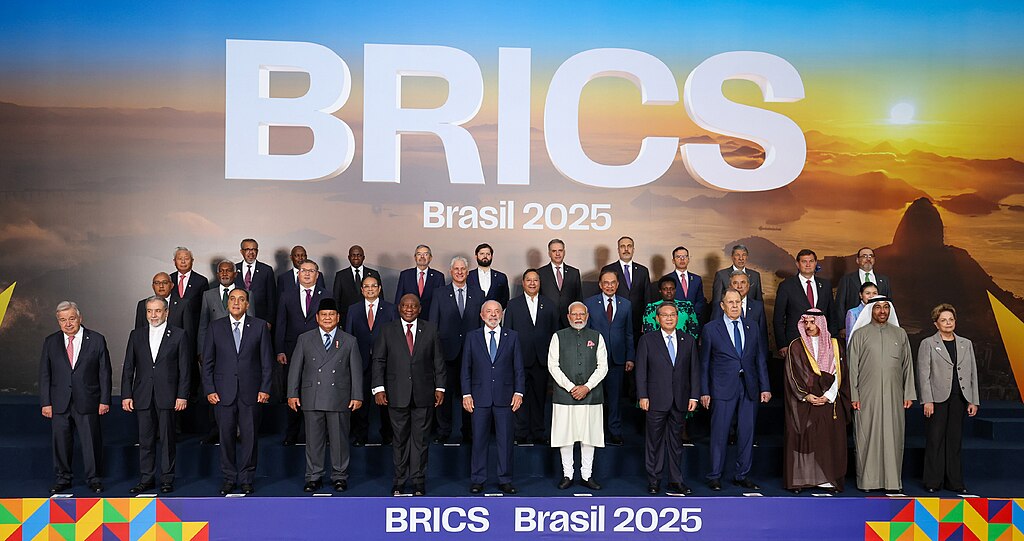
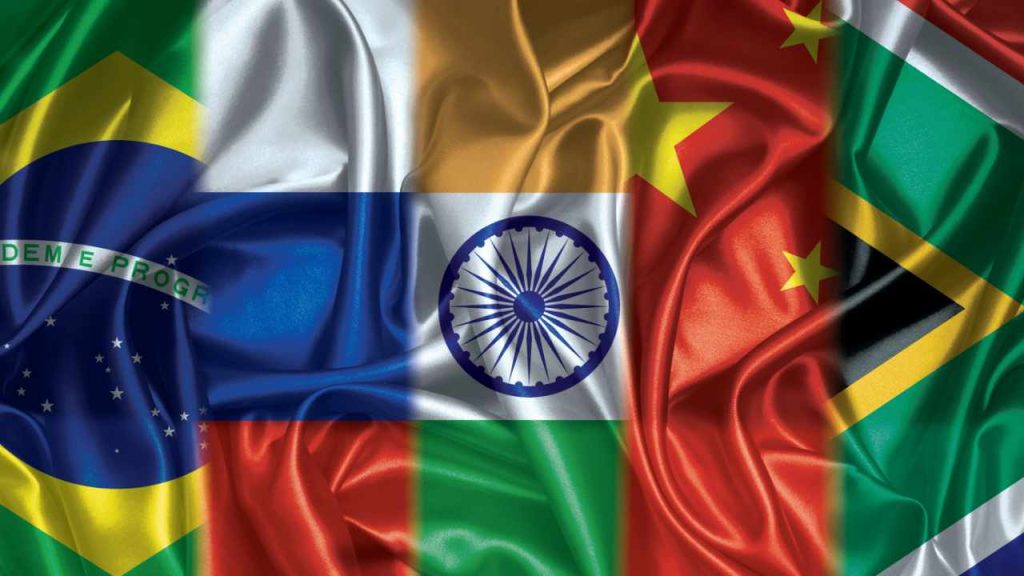
The evolution from non-alignment to active participation in BRICS further crystallises this Negritude-informed strategy. The BRICS bloc, comprising Brazil, Russia, India, China, and South Africa, functions as a counterweight to the entrenched Western-led financial and political order symbolised by the G7, the International Monetary Fund (IMF), and the World Bank. From a decolonial and Negritude perspective, these institutions have historically perpetuated uneven development and institutionalised dependencies that undermine the sovereignty and economic advancement of African and other Southern states. South Africa’s membership in BRICS, therefore, marks a deliberate turn toward constructing an alternative multipolar order—one that enables new frameworks of economic cooperation, developmental autonomy, and financial rearrangement unmediated by Eurocentric conditionalities.
Importantly, this realignment is not borne of simplistic anti-Western sentiment. Instead, it is a principled repositioning aimed at fostering justice-oriented economic paradigms and a more equitable global architecture. The diversification of South Africa’s trade relations through BRICS partners, particularly China and India, has opened up the country’s markets to emerging economies with whom shared interests in mutual development and economic sovereignty exist. This diversification serves as a key pillar of economic decolonisation, targeting the dismantling of old-world economic dependencies and creating space for new modalities of South-South cooperation.
Nonetheless, such reconfiguration is accompanied by considerable complexities. There is a critical need for ongoing scrutiny of the terms, mechanisms, and outcomes of South Africa’s engagements within BRICS to prevent replicating exploitative practices reminiscent of colonial and neocolonial asymmetries. From the vantage point of Black studies and Negritude, vigilance against all forms of dependency, whether historically embodied by Western hegemons or emergent from non-Western partners, is vital. The achievement of genuine economic sovereignty must be pursued with both idealism and pragmatism to ensure that the agency expressed in diplomatic realignment translates into tangible benefits for South Africa’s population.
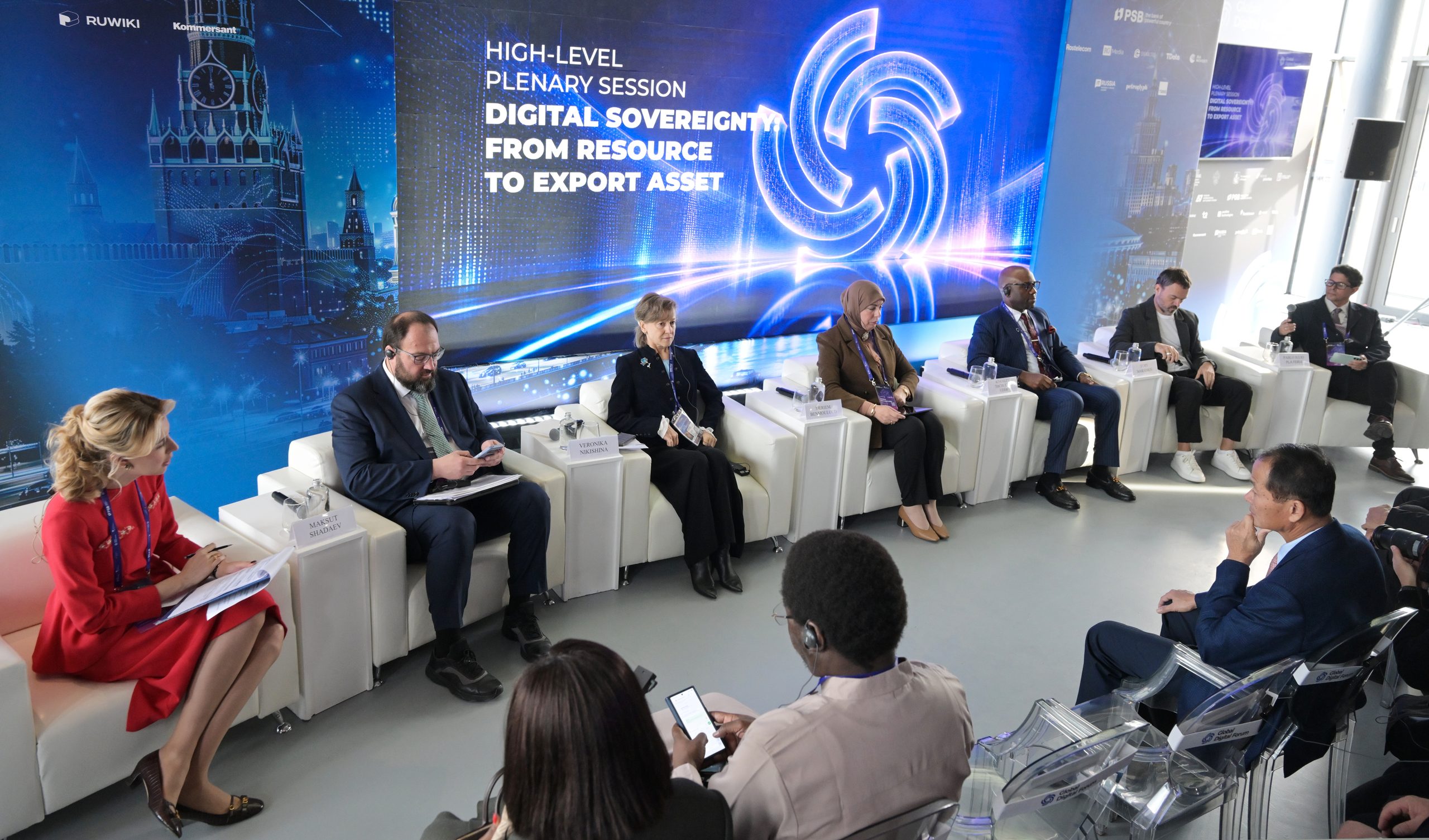
South Africa’s foreign policy approach is further underscored by its position on critical international conflicts, such as the Russia-Ukraine war. Eschewing alignment with Western-led sanctions and instead advocating dialogue and negotiated solutions, South Africa’s stance encapsulates a Negritude-rooted scepticism towards interventionism shaped by historic patterns of selective global justice. This posture reflects an ethical worldview that privileges sovereignty and peace over bloc-driven polarisation, evincing a strategic autonomy that seeks to avoid entanglement in proxy conflicts irrelevant to the aspirations and needs of the Global South. Far from passive non-alignment, this reflects a deliberate and active effort to chart diplomatic pathways congruent with South Africa’s liberation legacy and the broader Negritude commitment to self-determination and justice.
In conclusion, South Africa’s foreign policy journey from its embrace of active non-alignment to its formative role in BRICS reveals the enduring influence of Negritude’s philosophical and political horizons. This trajectory is rooted not merely in strategic calculation but in a powerful normative commitment to African agency, decolonial sovereignty, and the dismantling of Eurocentric global hegemonies. Though the road ahead remains fraught with geopolitical and economic challenges, South Africa’s diplomacy epitomises a dynamic continuation of its liberation ethos on the international stage. The country’s foreign policy thus exemplifies an African modernity that is self-defined and outward-looking, one that seeks to contribute genuinely towards a multipolar, just, and inclusive international order reflective of the aspirations of the Global South.