This past month has exposed, yet again, the daily horror story that millions of South African women and children are forced to live with. Except this time, the horror is not only coming from the streets, from abusive partners, traffickers, predators or organised criminals. Some of the most disturbing revelations are reaching us from inside the very institutions that are supposed to protect us.
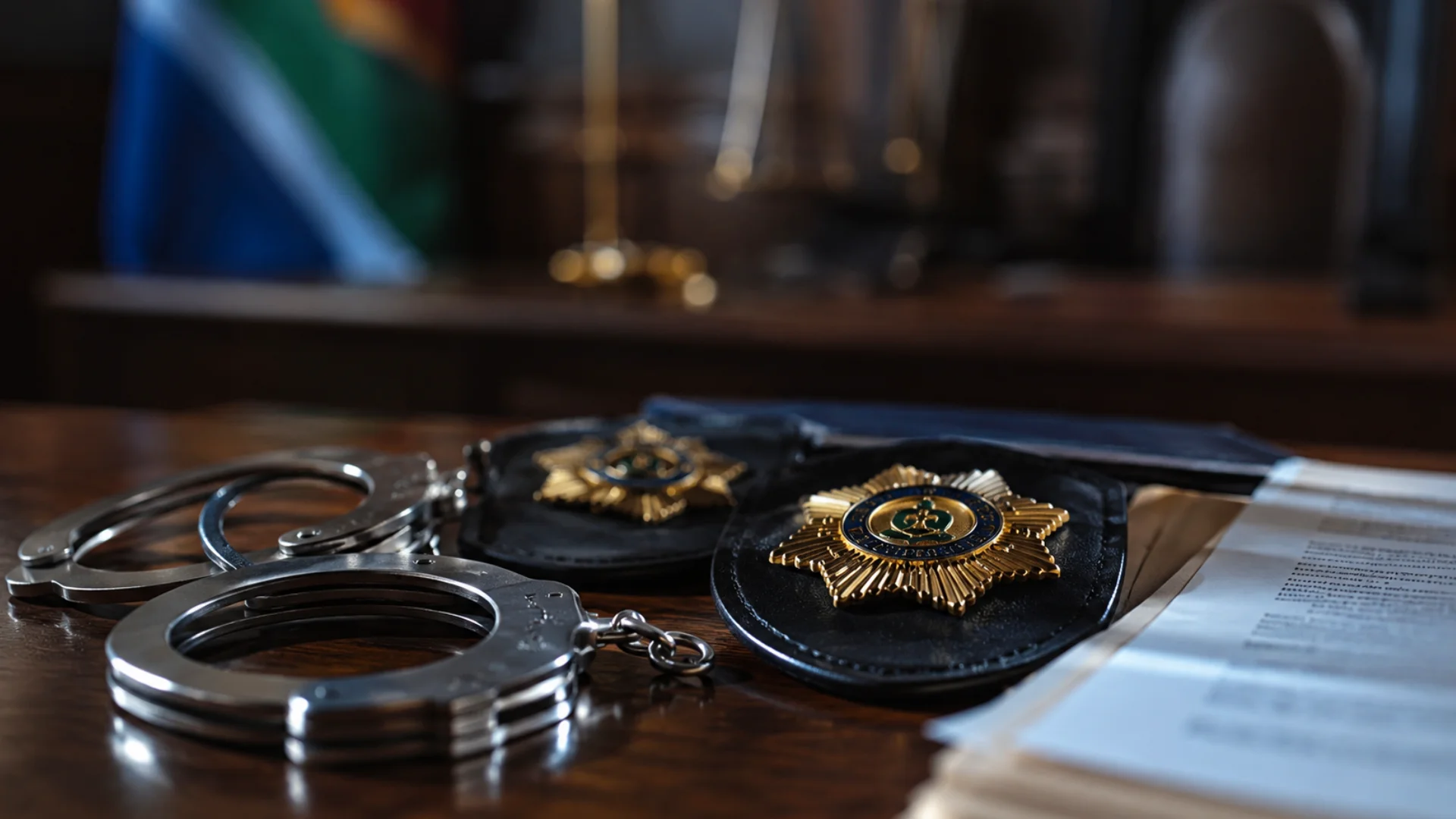
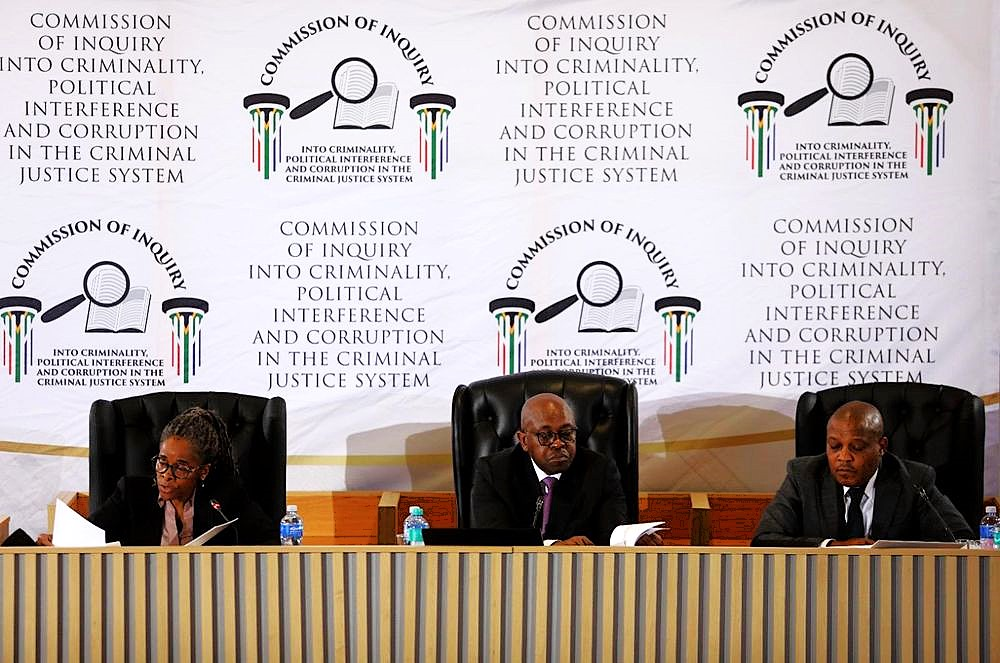
South Africa is watching allegations against senior police officials unfold while the Madlanga Commission continues to expose disturbing claims of corruption, political interference, abuse of power and criminal infiltration within the criminal justice system.
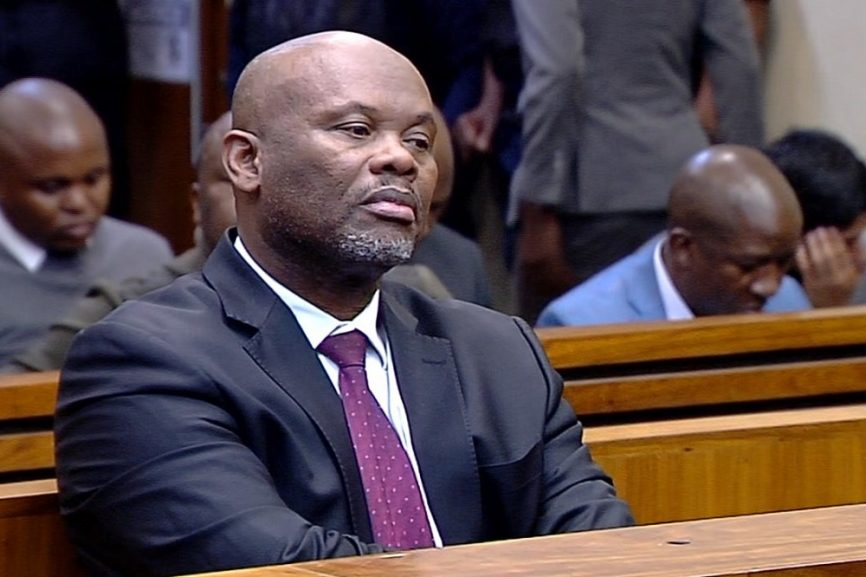
Among the most shocking is the case of suspended Deputy National Police Commissioner Lieutenant-General Shadrack Sibiya, who is currently facing charges including rape, sexual grooming of a child and human trafficking, amongst others.
Considering the horrific rate of murder of women and children within the past few weeks, these cases against senior officials are only emphasising the public horror of what these allegations represent. When allegations of this nature reach the highest levels of an institution responsible for protecting women and children, we cannot simply shrug and call it another scandal.
We have to ask what kind of society we are becoming when the people women are told to call for protection are themselves facing allegations of crimes against women and children.
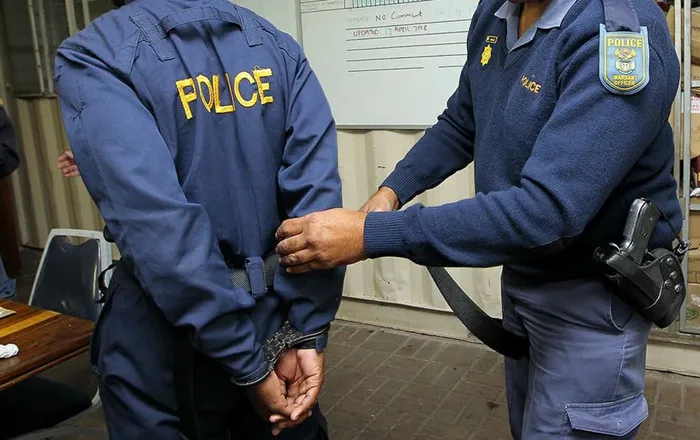
General Sibiya’s case is notably amongst an entire plethora of rotten fruits in the barrel. Just recently, fraud and corruption charges were brought against Criminal Intelligence Chief Lt-Gen Dumisani Khumalo and six other police officers. National Police Commissioner General Fannie Masemola was also brought up on charges of corruption. Even past criminality is being brought to the forefront, with Former Acting National Police Commissioner Khomotso Phahlane and various co-accused being recently re-investigated for charges of corruption, fraud, theft and money-laundering almost 10 years after they were first charged.
[Image: SABC News]
Although it is only being exposed more recently, organised crime rings have been ravaging our society for decades now. The Madlanga Commission itself has been a whirlwind of deplorable revelations regarding corruption and criminality within the South African Police Service (SAPS), and beyond! More importantly, it has flagged various powerful figures who have been egregiously manipulating the SA justice system for their own means.
From abuse of power, to bribery, extortion, intimidation, and so much more that has been exposed within the intricate networks of SA’s policing systems, it is a shock that we are still expected to call this a policing system when so much of it has become a breeding ground for the very violence, corruption and abuse of power it is supposed to protect us from.
The problem is that this is not some distant institutional problem that exists behind closed doors. It directly affects the lives of ordinary South Africans. It affects the woman who walks into a police station after being beaten to near-death by her partner. It affects the child who is powerless against the predators in their own homes and schools. It affects the family searching for a missing daughter, reporting to the very human-traffickers responsible for it all. It affects every person who has been told to “go to the police” because the police are supposed to be the place where we go when we need protection.
The shattering truth is that this is not about an individual. We cannot continue treating every new revelation as an isolated incident. We cannot keep acting shocked every time another officer is charged with corruption, abuse or heinous criminal conduct, only to move on until the next scandal arrives. At some point, we have to stop looking at these cases individually and start looking at the system that keeps producing them.
What kind of policing system are we building when power can be abused with such devastating consequences, while the people subjected to that abuse are expected to simply trust the system again?
For women and children, especially, this is a deeply personal matter. South Africa already has a devastating crisis of gender-based violence. In 2026 alone, women and children are already being killed, raped, abused and trafficked at an alarming rate. Across the nation, our communities are breeding grounds for violence and crime-rings. So when allegations of serious misconduct emerge from within the very institutions responsible for protecting these people, it not only destroys reputations of entire systems, it obliterates trust within our society. And without trust, how do we expect victims to report? How do we expect communities to cooperate with police? How do we expect people to believe that justice is even possible?
We cannot continue to exist in a society where the powerful operate in one reality and ordinary people in another. Now more than ever, it is critical that we refuse to become numb to the pattern of violent and nefarious revelations staring us in the face. A justice system that cannot protect the vulnerable cannot call itself a functioning justice system. What’s clear is that our “most-trusted” institutions are embroiled in egregious levels of criminality. The real question is how many more people it will fail before we force it to change.