Amongst the ‘good vibe’ reports on how President Trump can have his cake—that is, destroy Iran—and eat it, too—that is, get enough oil to keep the economy from blowing up—the game of living off oil reserves has a pretty severe downside.
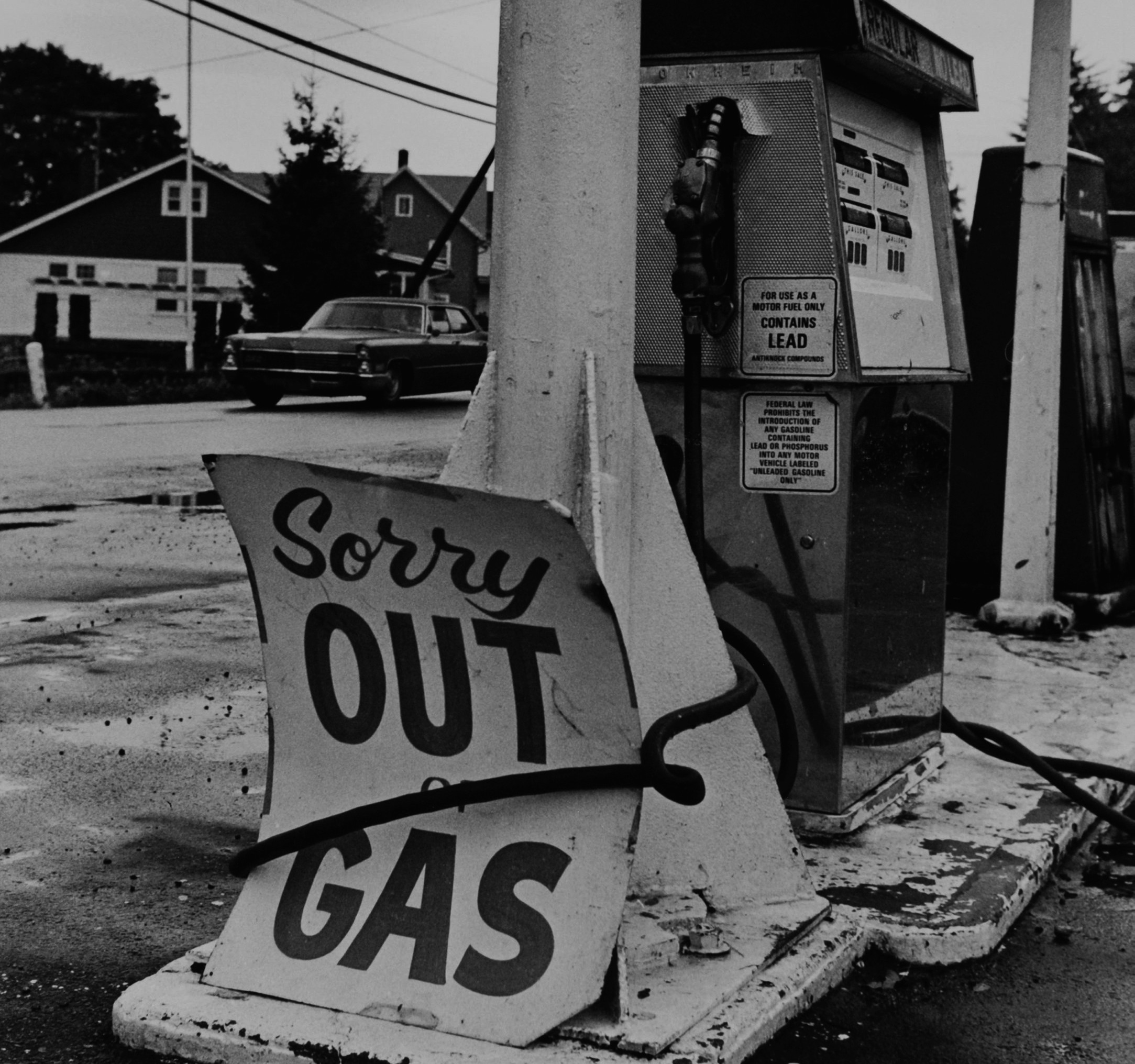
The U.S. Strategic Petroleum Reserve (SPR) is now down to about two weeks’ worth of what the U.S. consumes. And, according to new data released by the U.S. Energy Department, it dropped by 770,000 barrels of crude oil last week alone.
Trump’s plans reportedly involve getting through the coming months by selling off 40 million reserve barrels—of course, to be replenished later. He is also pushing western Europe to act similarly. On October 2, the G7 nations agreed, in coordination with the International Energy Agency (IEA), to release 100 million barrels of crude oil and petroleum products from strategic reserves over a four-month period.
Trump’s sales pitch yesterday was: “As you know, we are producing record volumes of oil in the Strait of Hormuz area. Record-breaking. One of the problems now is that Russian refineries are being hit hard—this applies specifically to diesel fuel. Not ordinary gasoline, but diesel. So this is a problem. But in general, the situation is developing very well. Europe is also throwing significant reserves of diesel fuel onto the market. They had large stocks of diesel. They use them. We use our own. Everyone acts together. Oil prices are declining.”
A very different reality was presented yesterday by the President and CEO of Saudi Aramco, Amin Nasser. He explained that global oil stockpiles have become “scarily thin,” and that, unless shipping through the Strait of Hormuz resumes fully, the drawdown of the stockpiles creates a risk of worsening market conditions.
Bloomberg quoted him speaking at the Energy Intelligence Forum in London: “Until Hormuz fully re-opens and confidence returns, the crude reality is that pressure at both ends of the barrel will intensify. While the squeeze on crude is serious, refined fuel prices have risen even more sharply.”
Nasser started with the obvious, that all the countries with drawn-down reserves will need additional supplies for at least the next two years to replenish their inventories, and all at the same time. He noted, as reported by TASS, that since the February assault on Iran, global oil inventories have dropped from 10 billion barrels to less than 6 billion. Known technical constraints mean that only about 10% of that volume is practical to extract.
Today the U.S. Energy Information Administration (EIA), as reported by Reuters, raised its oil price forecast for this year and next year. Its latest monthly Short-Term Energy Outlook reported that global stockpiles are steeply falling and diesel markets remain tight. The EIA added that attacks on Saudi Arabia’s East-West Pipeline highlight the ongoing instability in supply.
The picture is clear—a mad scramble amongst countries creating great instability, both economically and militarily.