The Communist Party of China (CPC) is setting the bar very high for public office bearers to display exemplary leadership or face the consequences.
In a document better-known as the “Eight-Point Decision on Improving Party and Government Conduct and Building Closer Ties with the People”, the Central Committee of the governing CPC seeks to streamline strict adherence to ethics, dedication and commitment acceptable to the 1.45 billion citizens.
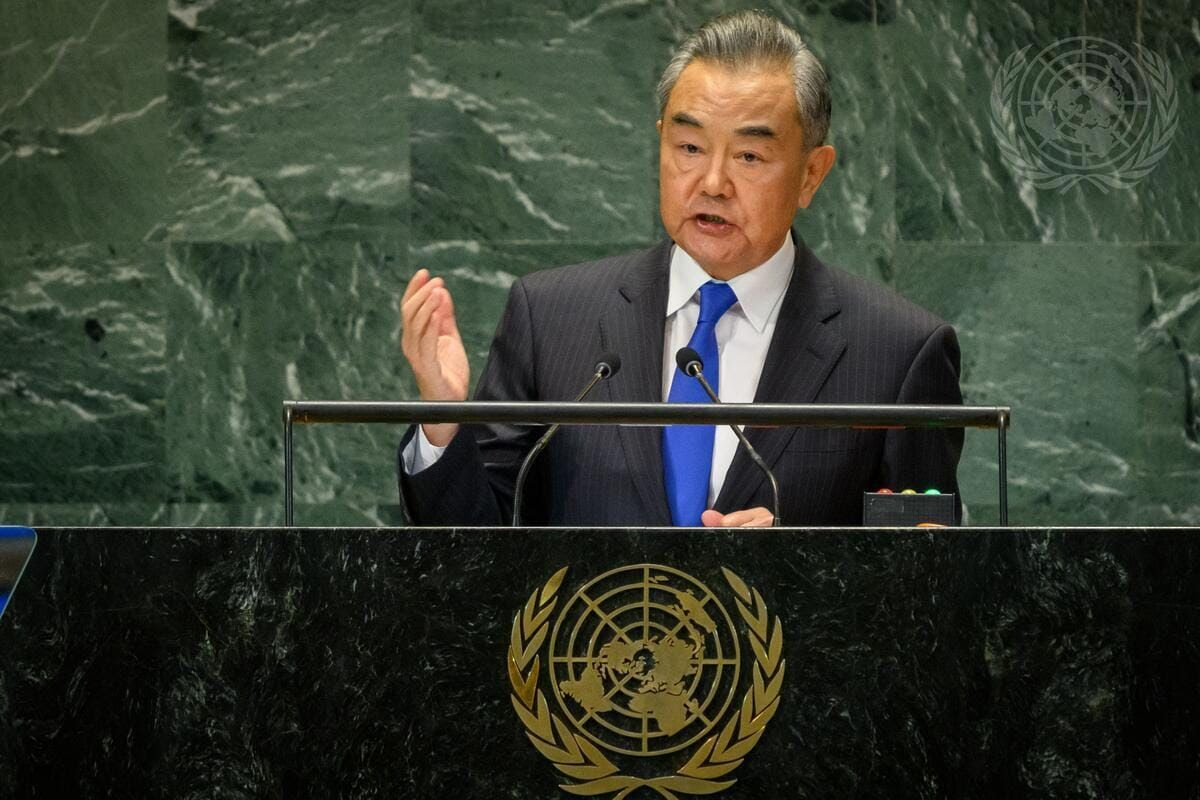
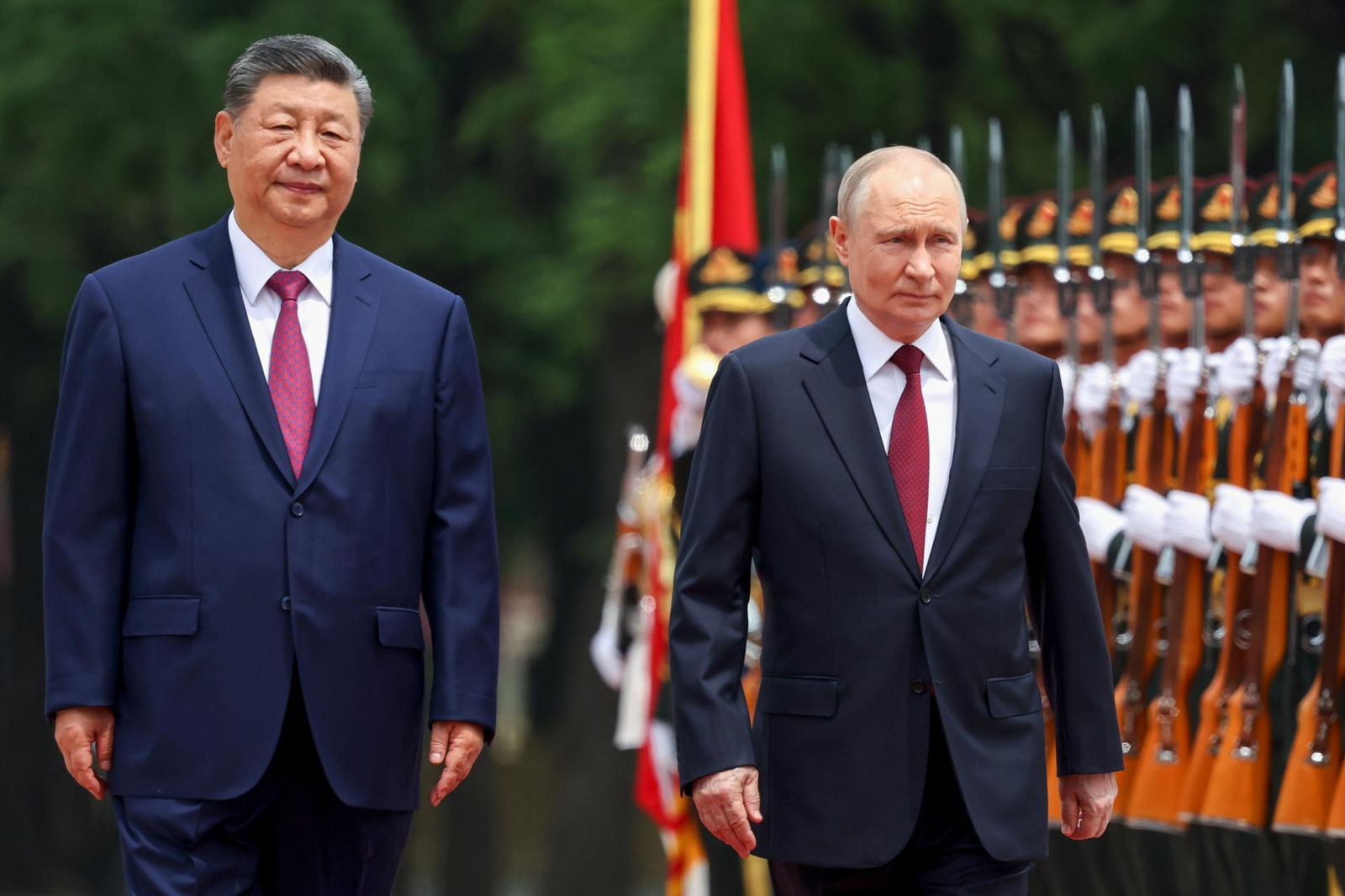
“Leading officials at all levels must lead by example and serve as role models, and they must do as they say and live up to their promises,” said President Xi Jinping in his capacity as the head of the CPC, before adding: “Within the Political Bureau, I will start with myself.”
The Eight-Point Decision document was first adopted in 2012, and has since been used as a guiding light in the service delivery and poverty eradication programmes of the Party and the State alike.

It is an initiative spearheaded by President Xi Jinping himself in his capacity as the incumbent at the helm of the CPC. He embodies the spirit of leading by example and setting standards from the top down. The phrase “leaving footprints on stone, grasping iron with marks” illustrates President Xi’s determination to ensure that the resolve is not mere words but is implemented with tangible and lasting effect on the lives of the Chinese people.
Additionally, the Eight-Point Decision is regarded as neither the highest standard, nor the ultimate one. “It is only the first step in the CPC’s efforts to improve its practices, which is the minimum expected of Party members”, according to the CPC literature.
At a recent review by the CPC, the Eight-Point Decision was hailed as a “game-changer” in China’s governance. It has managed to do away with wastage and unwanted behavior. It has ushered in a new era of ethical leadership, where public representatives have become more conscious about their role as servants of the people, instead of being served by the people.
It is a model oftentimes demonstrated by President Xi himself when he embarks on community outreach programmes, where he shares meals with ordinary people throughout the country.

As China thrives as the world’s second largest economy – second only to the US – the CPC has taken it upon the Party and State to ensure that modernization of the economy, the rise in international stature and nation-wide rejuvenation do not replace moral and ethical behavior.
The Eight-Point strategic pathway is a document that has also assisted the People’s Republic of China to eradicate poverty within a decade since it was implemented, causing the UN to heap praise on the Chinese model as worthy of being copied.
The highly-esteemed document is regarded in the CPC circles and across the sprawling society as a set of marching orders on socio-political behavior and the collective pursuit of the Chinese modernization and economic rejuvenation.
Political parties around the world have also made the CPC’s Eight-Point Decision document a to-go-to preamble on development. The South African Communist Party, Mozambique’s Frelimo and Zimbabwe’s ZANU-PF are some of the ruling parties in the Southern African region known to embrace the Chinese model of development based on the public office-bearers’ conduct that is premised on the Eight-Point Decision.

In an excerpt from the launch of the fundamental document back in 2012, it is clear that great care and attention had been given to the overall conduct of the CPC, and how the public perceives conduct of Party officials. The excerpt states: “The Party’s conduct is crucial to winning the people’s support and is a matter concerning the Party’s survival or demise.”
As a political set of rules, the Eight-Point Decision further seeks to address chronic bureaucratic issues, including “official privileges and extravagant banquets”.
Spelled out in a mere 600-word document, the Eight-Point Decision has also established rules for Party leaders “governing research tours, meetings, documentation and other official duties”.
China’s rise in international affairs can be traced on a myriad factors, including the relatively less talked about Eight-Point Document, which reflects the Chinese culture to work hard quietly and let the work speak for itself.

China prides itself on systems and uniquely Chinese programmes. Chinese are constantly ready to explain that their governance system is a “democracy with Chinese characteristics”.
In fact, China believes in innovation more than copying alien concepts and behavior. The CPC’s initiative in the form of the Eight-Point Document is a case in point. The success of the People’s Republic of China, its technological development and run-away development are the results of indigenous Chinese knowledge system. It is a Chinese epistemology that serves as a backbone of public discourse, desirable ethical behavior as spelt out in the Eight-Point Document and ubiquitous adherence to the rule of law. Social cohesion and political stability go hand-in-hand in the Chinese model. The overarching drive for collective success, national rejuvenation and the relentless pursuit of a shared future where every citizen benefits are some of developmental principles that are uniquely Chinese.
China’s model teaches the rest of the international community, particularly the Global South, that progress and prosperity can be achievable without mimicking alien cultures. The creation of an enabling environment, exemplary leadership and strict adherence to the rules are additional ingredients to the success of the authentic Chinese way. The Eight-Point Document can easily become a typical model for international development devoid of corruption, thieving and wholescale want.