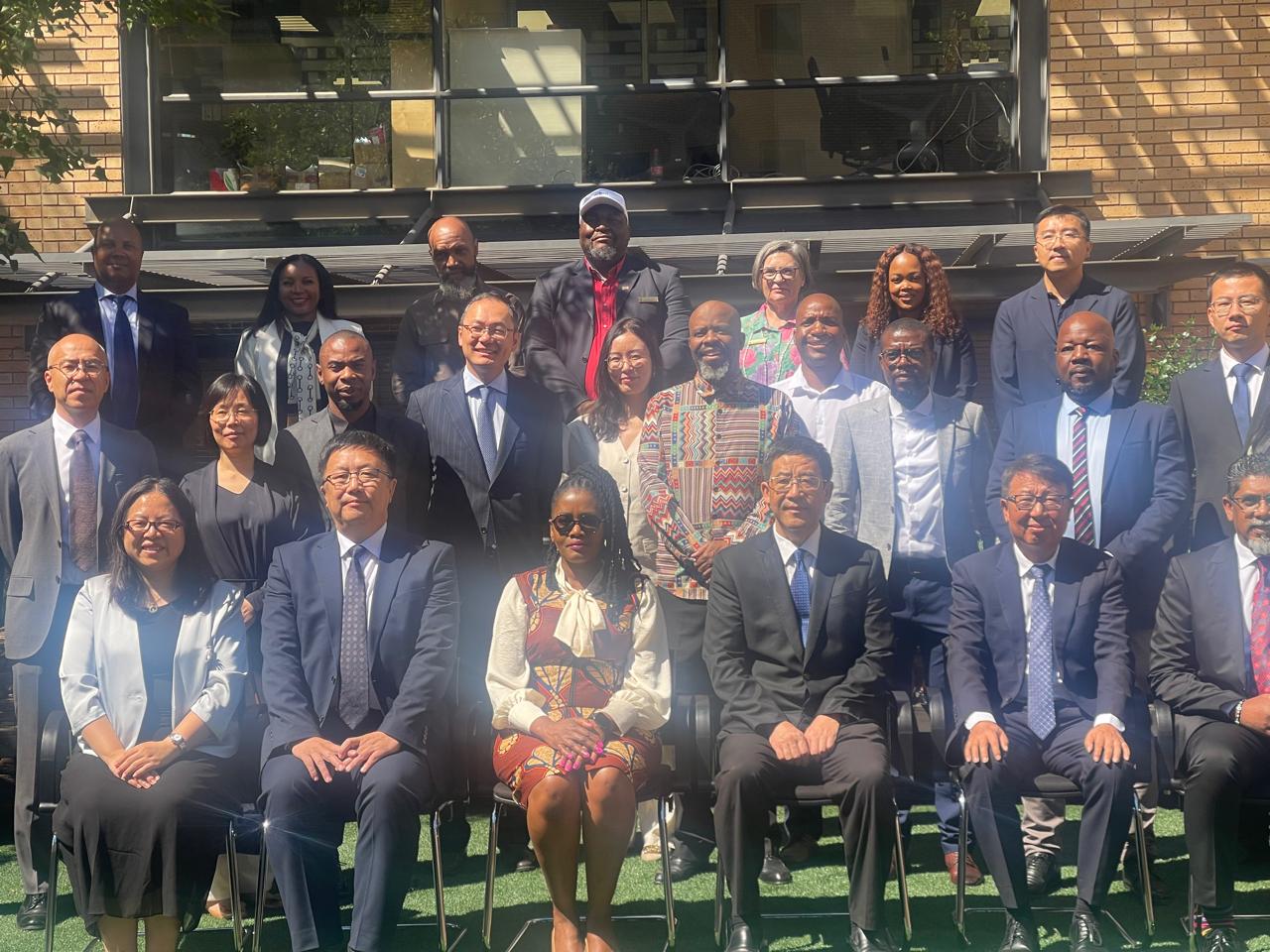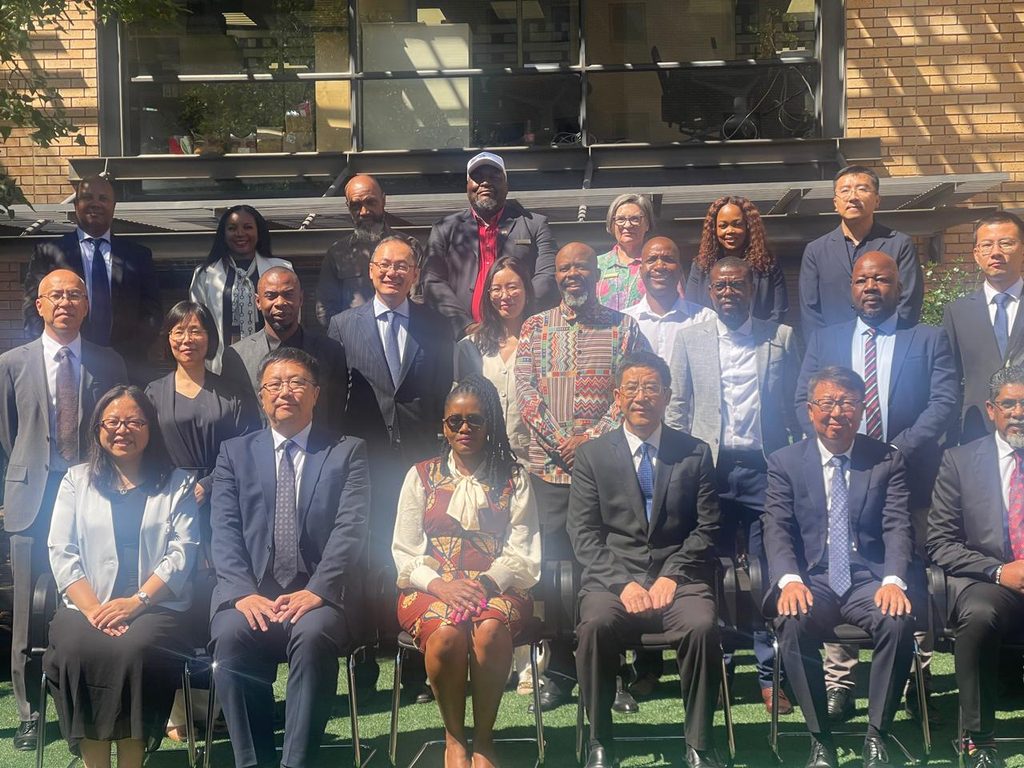
At the recent unveiling ceremony of the South Africa-based China-Africa Research Centre and Seminar on the “Global South Working Together to Build a Community with a Shared Future for Humanity”, the birth signs of a new world order were visibly clear.
Premised on flourishing bilateral ties between Beijing and Pretoria, the new research centre seeks to deepen collaboration in knowledge development throughout the Global South.
The research centre was also described as a platform to share “share what works, what does not, and the conditions under which particular approaches succeed”.
The unveiling ceremony was held at the HQ of SA’s National School of Government (NSG), a centre of excellence in its own right whose key objective is constant continuous improvement of public service in modernity.
Acting principal of the NSG, Ms Phindile Mkhwanazi, expressed great optimism over the era of heightened cooperation between SA and China. It is cooperation that serves as a catalyst across the Global South as well as a source of impetus in South-South relations.
At the heart of cooperation and collaboration between China and SA “is not to copy another country’s model, but to learn from experience and adapt relevant lessons to our own circumstances”, Ms Mkhwanazi said.
Furthermore, Ms Mkhwanazi painted a picture of great global significance beneath the launch ceremony, telling delegates: “We meet today under the theme, ‘The Global South Working Together to Build a Community with a Shared Future for Humanity’, at a time of profound global change.”
She said China and SA both faced “increasingly complex and interconnected challenges, including economic inequality, climate change, technological disruption, constrained resources, geopolitical uncertainty, and the rapid advancement of digital technologies and artificial intelligence”.
Also in attendance was a strong contingency from the Chinese side. It was led by Wu Peng, Ambassador Extraordinary and Plenipotentiary of the Pople’s Republic of China of the Republic of South Africa.
Wu Peng cited the ever-growing bilateral ties between Pretoria and Beijing as a valid cause for celebration. Nothing exemplifies China’s regard for SA relations than the fact that for the 17th year in a row, China remains SA’s the biggest trading partner.
Also represented during the powerful ceremony that was rich in symbolism were representatives from the Chinese Academy of Social Sciences and also the Institute of West Asian and African Studies, led by its Director-General, Ye Hailin.
The Chinese Academy of Social Sciences has a profound history with the NSG that Ms Mkhwanazi described as “enduring partnership”.
Their contribution the 13 years since the NSG was established has been significant, characterized by “the spirit of mutual learning and cooperation”.
A plague marking the launch of the research centre was also unveiled, thereby ensuring that the event itself could be marked into annuls of China-SA history. “The unveiling of the plague marks the implementation of our collaboration and the start of our joint research centre. We look forward to the results and impact the joint research centre will have on our citizens,” Ms Mkhwanazi said.
The new centre will also seek to establish stronger cooperation in areas such as research, innovation and knowledge production. “Joint research,” said Ms Mkhwanazi, should address areas such as public sector innovation, AI, leadership and the future of public administration,” among others.
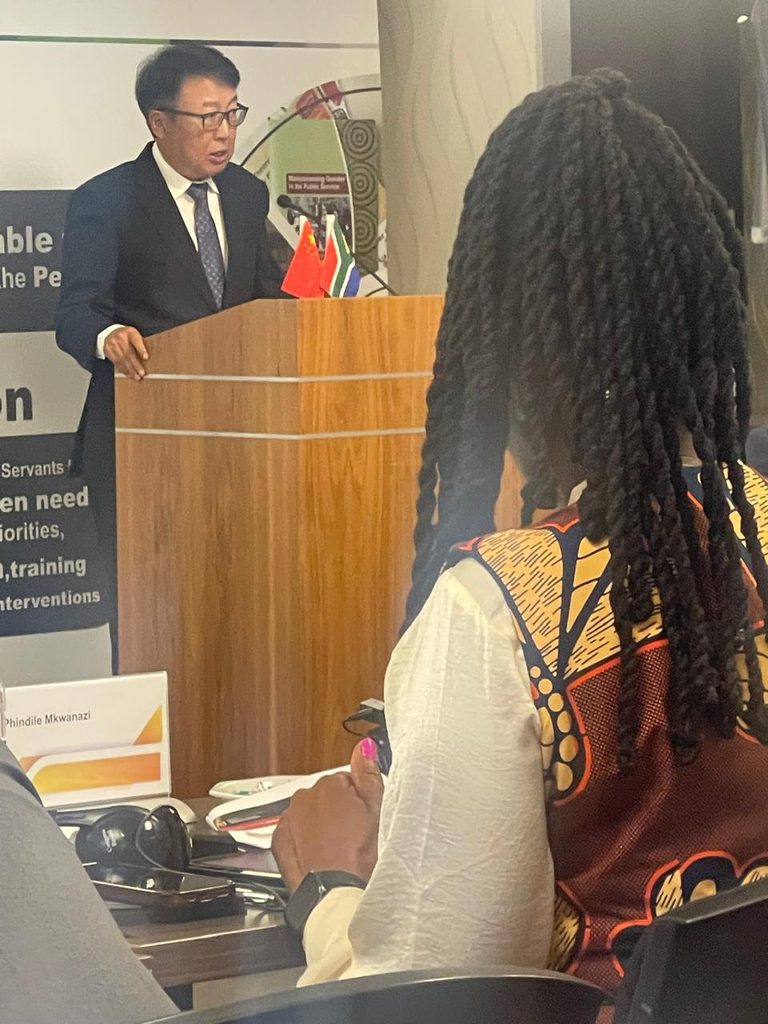
SETTING THE AGENDA: Chinese Ambassador to SA, Wu Peng, addresses delegates as Acting Principal of the SA National School of Government listens attentively. PICTURE: Abbey Makoe