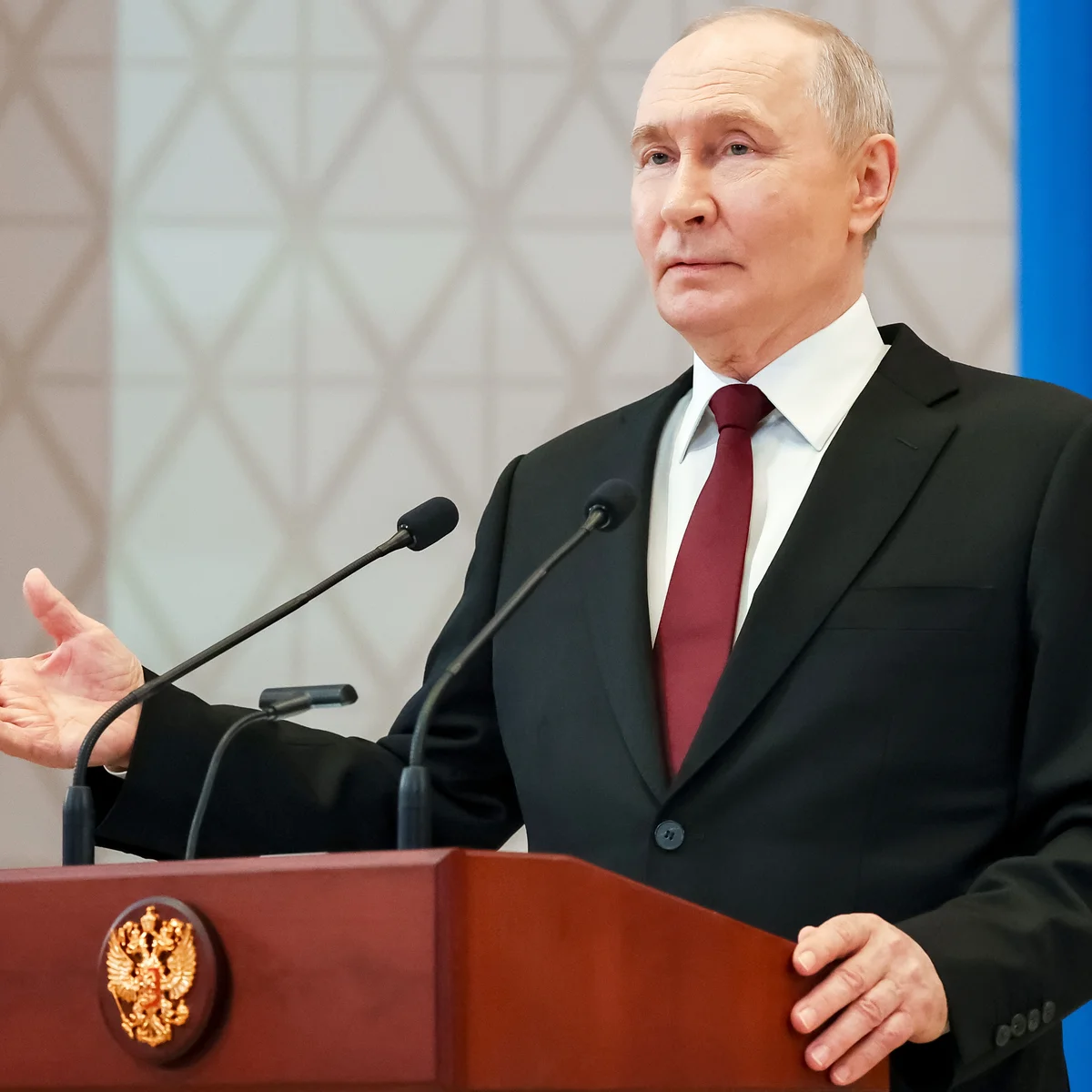
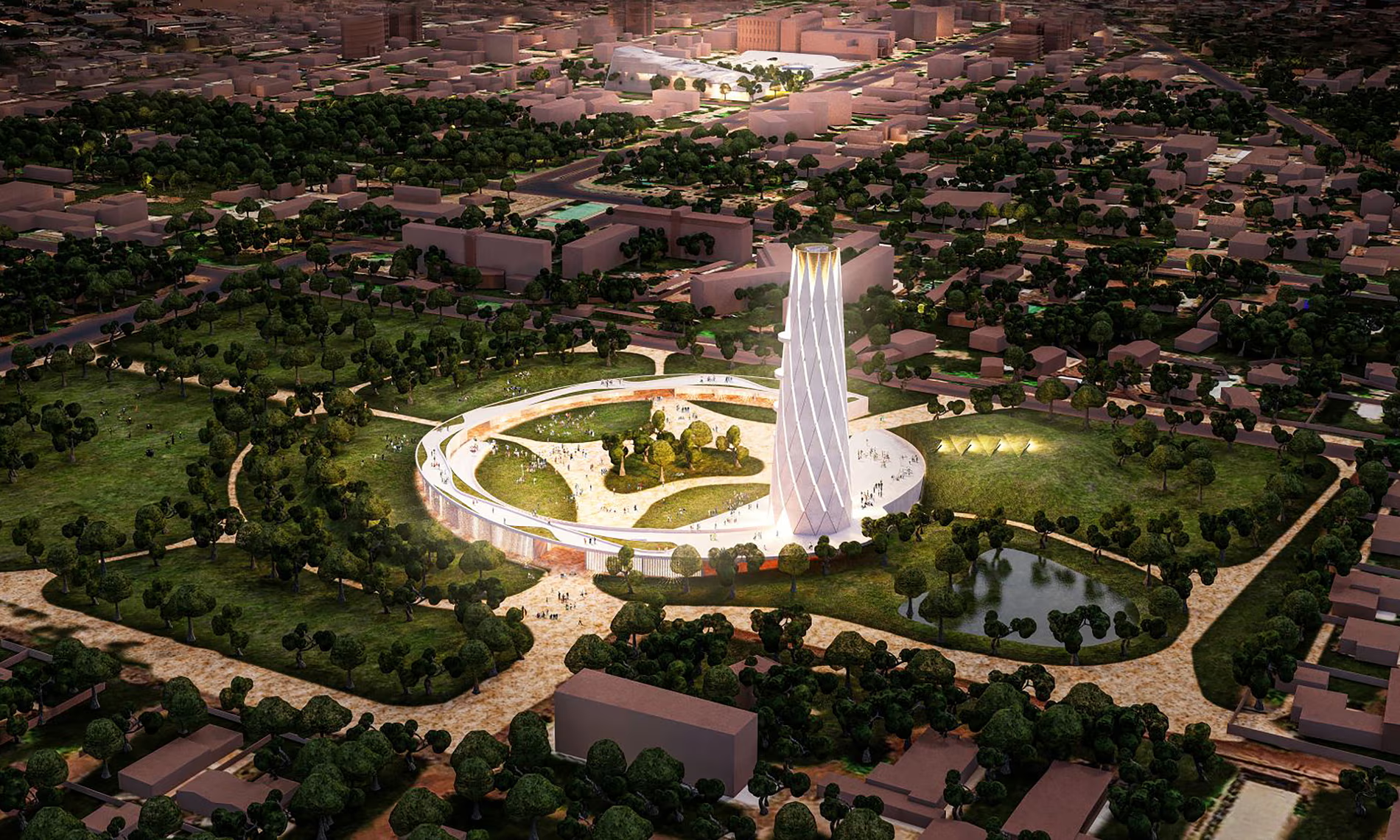
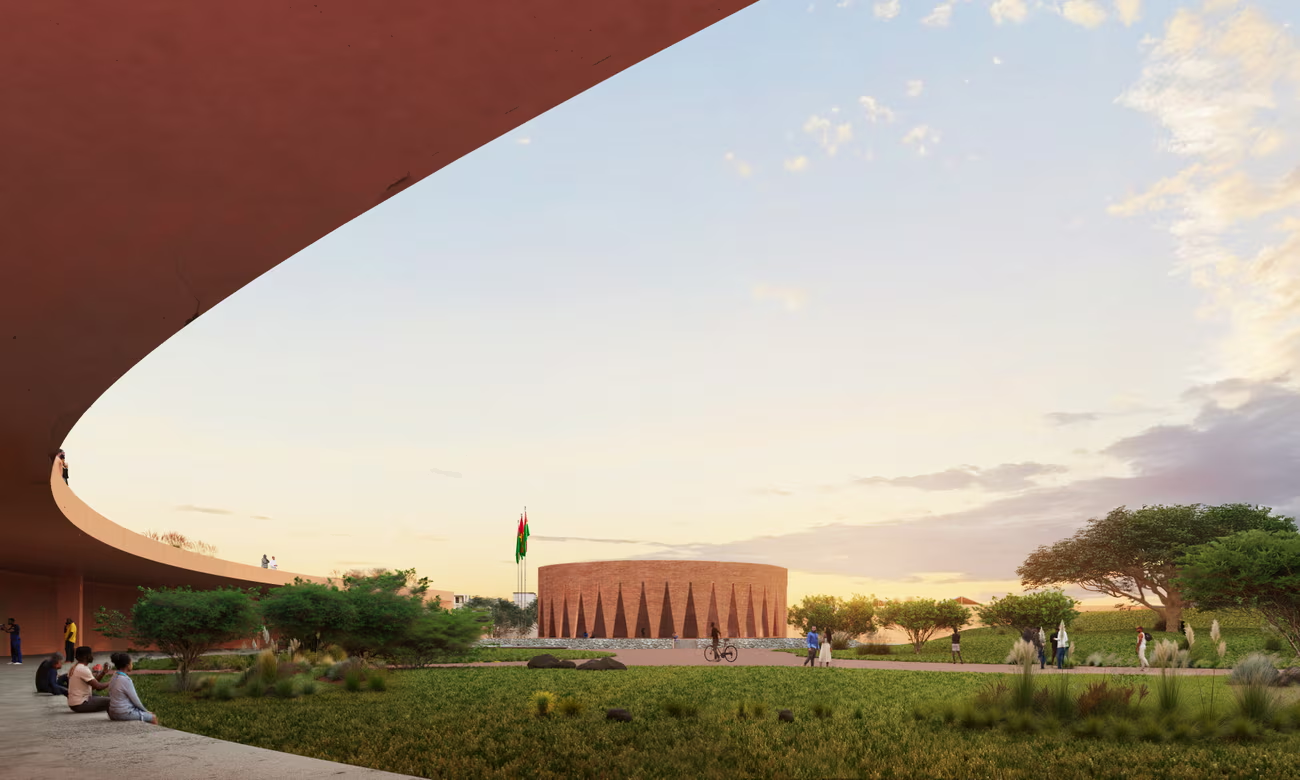
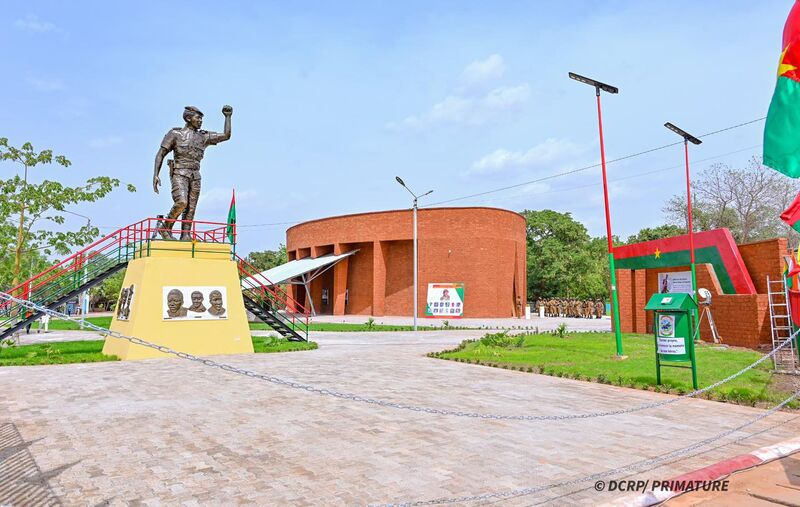
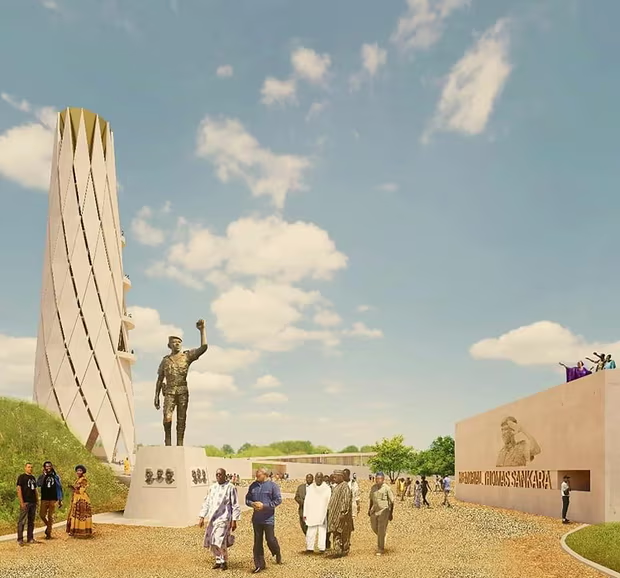
In Ouagadougou, the capital of Burkina Faso, a structure has risen that embodies more than just memory: it symbolizes vision, renewal, and resistance. It is the Thomas Sankara Mausoleum.
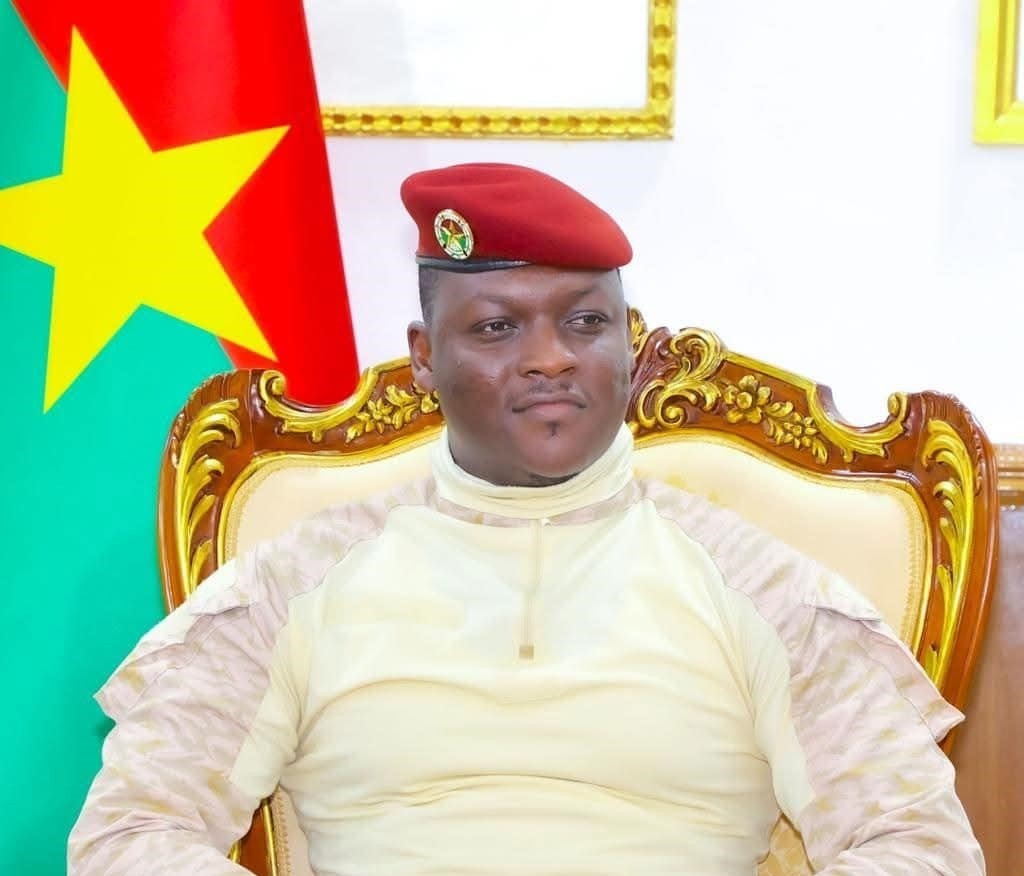
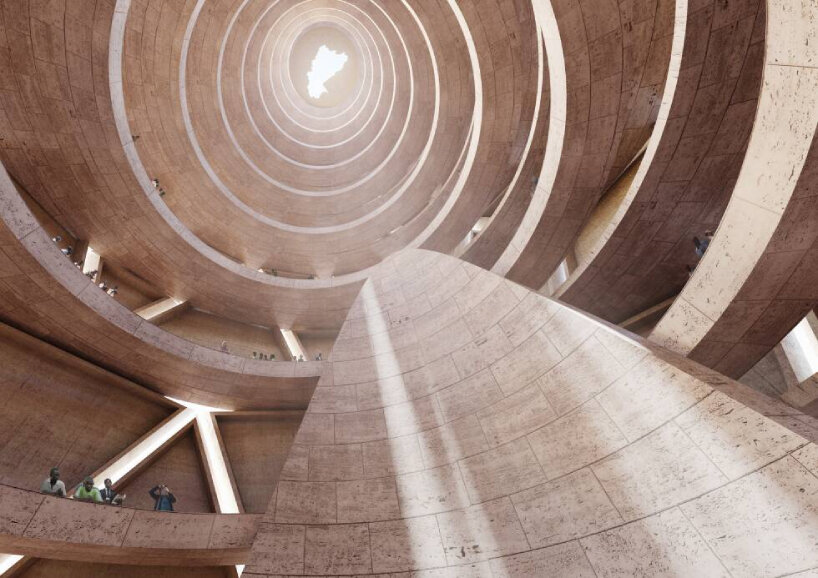
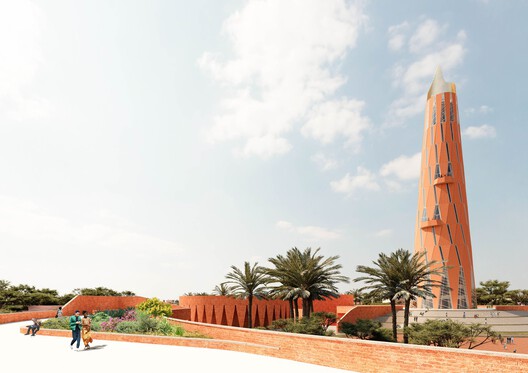
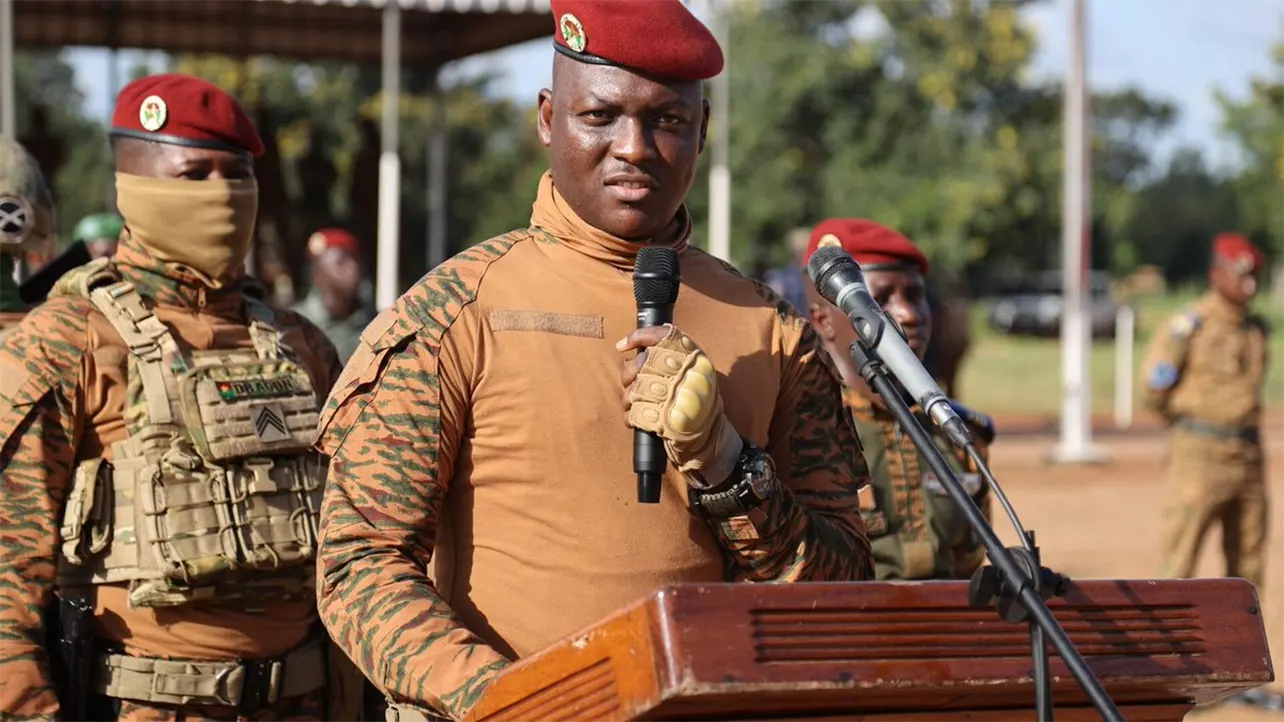
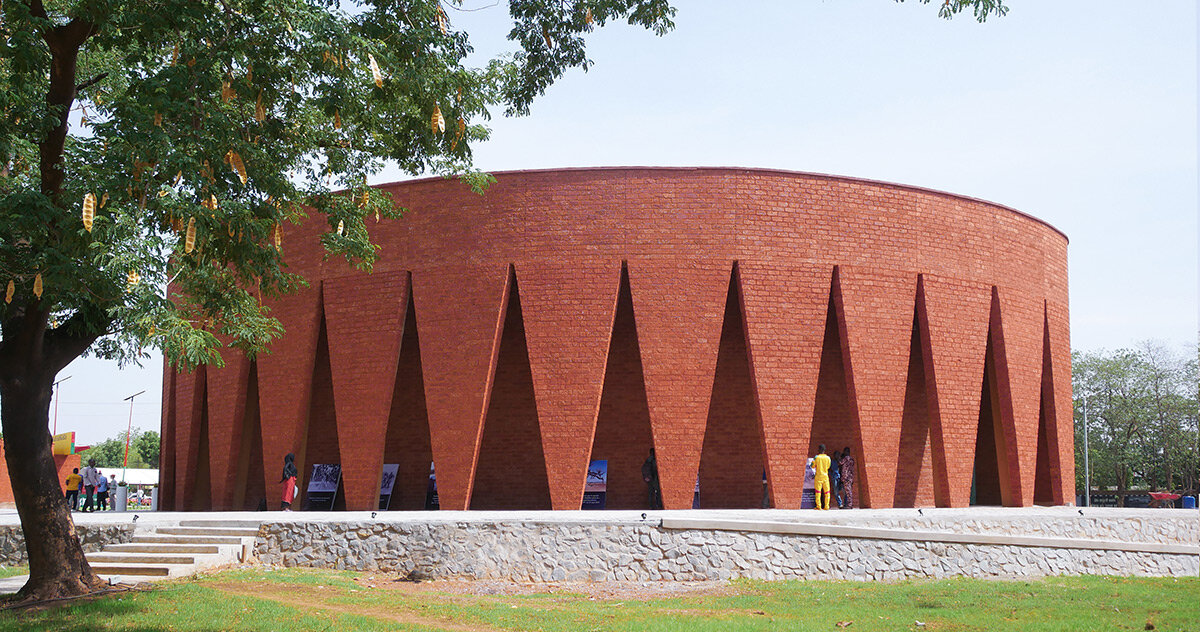
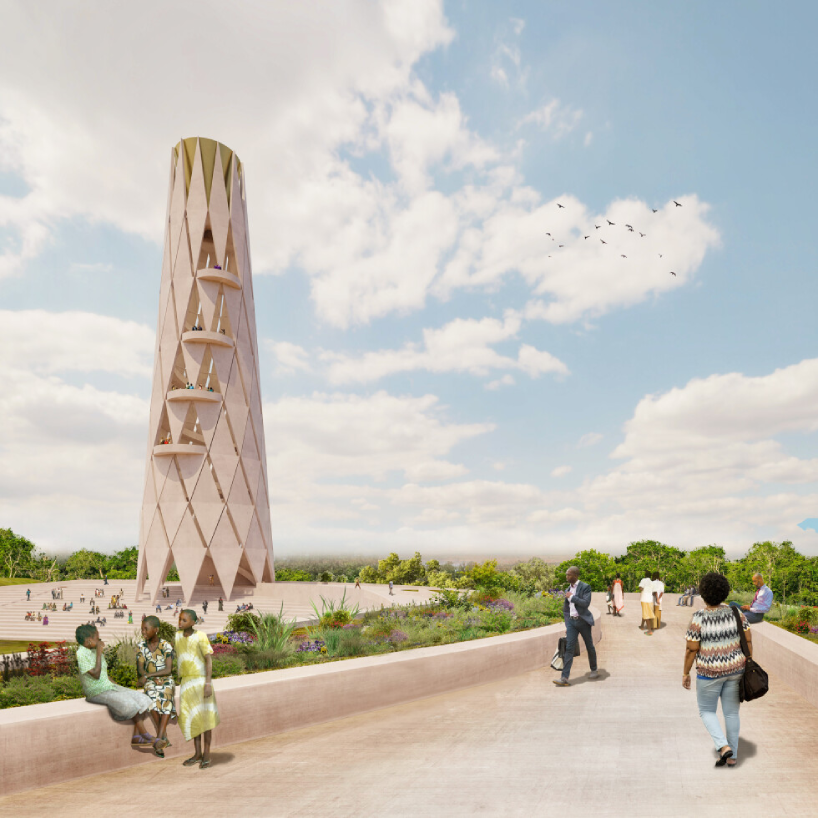
The Thomas Sankara Mausoleum, designed by the internationally acclaimed Pritzker Prize-winning Kéré Architecture, is not merely a tribute to a distinctly revolutionary icon. It is a declaration: that the spirit of Sankara is alive, and under the leadership of Captain Ibrahim Traoré, the President of Burkina Faso’s transition. One thing is clear: Burkina Faso is once again positioning itself at the vanguard of Africa’s liberation project.
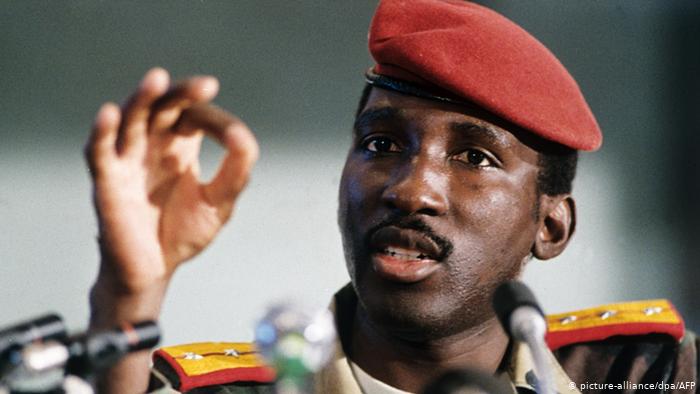
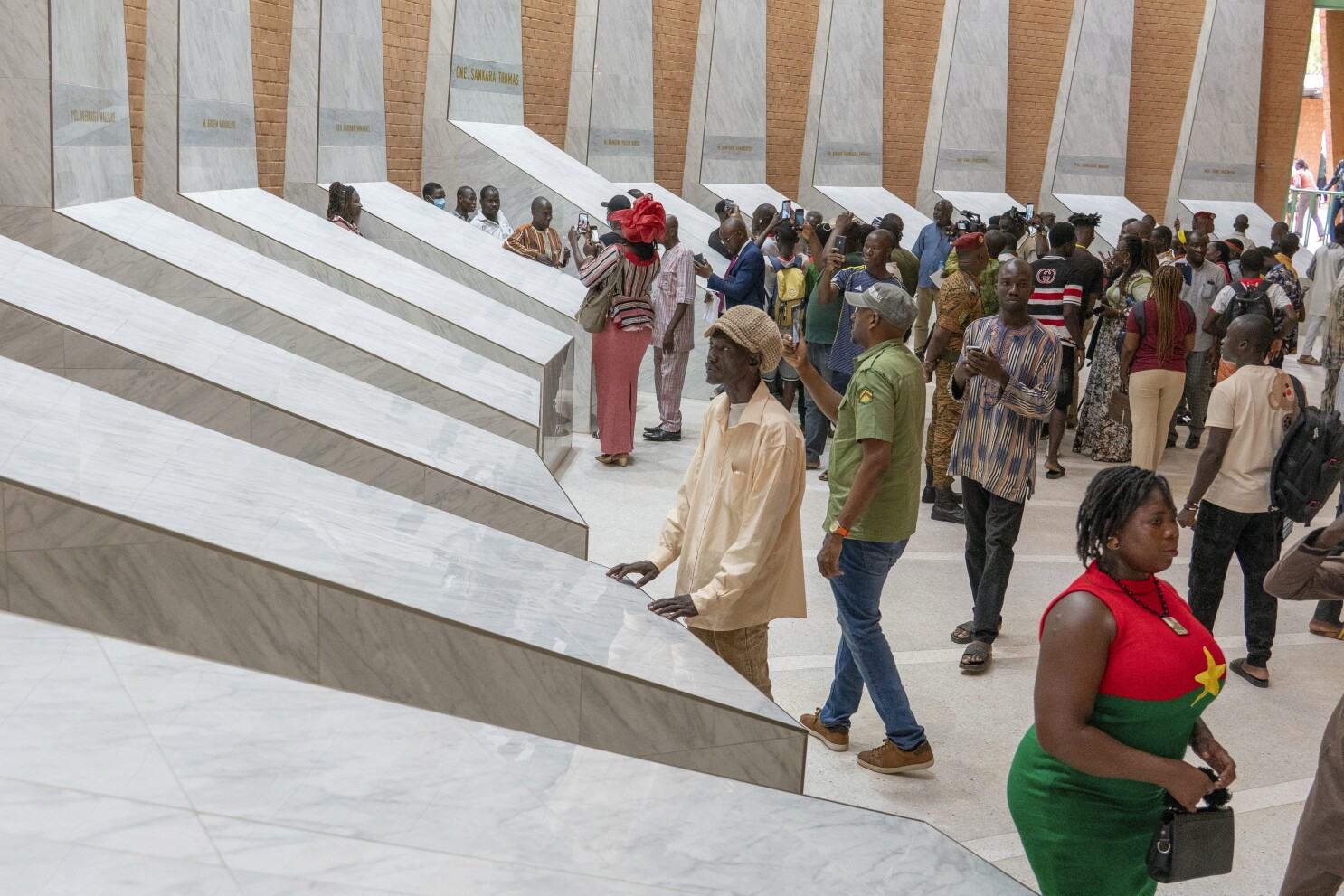
The mausoleum – sleek, dignified, and rooted in African architectural identity – honours the legacy of Thomas Sankara, the pan-Africanist leader assassinated in 1987 (after just four transformative years in power), as well as twelve of Sankara’s fellow comrades.
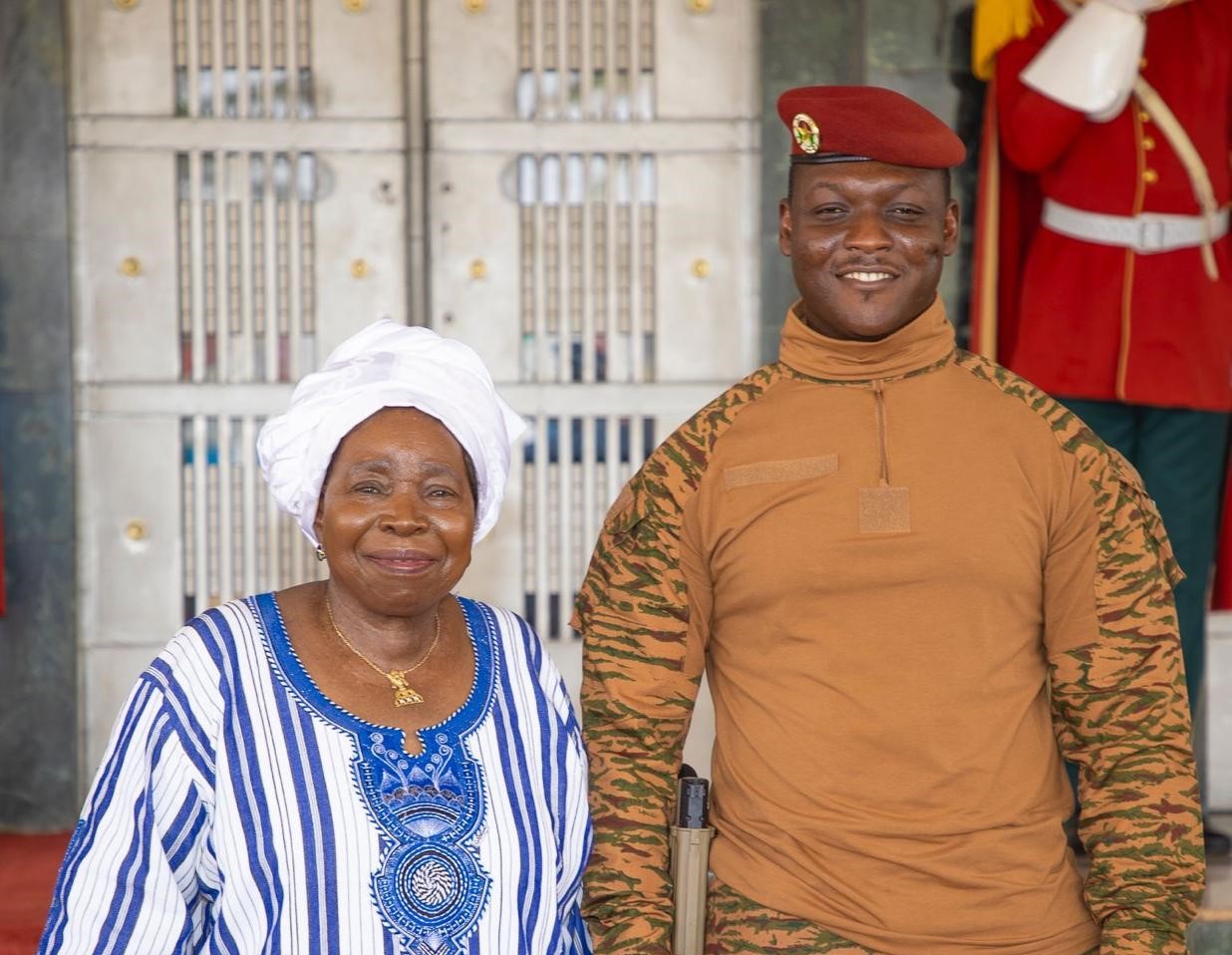
The auspicious inauguration of the event was attended by an array of international dignitaries, including South African anti-apartheid activist and former Chairperson of the African Union (AU) Dr Nkosazana Dlamini-Zuma. SA’s former President Thabo Mbeki – although invited – was unable to attend as he was hosting the 15th Thabo Mbeki Africa Day Lecture in Dar es Salaam, Tanzania.
The erection of this memorial site is a profound and befitting tribute to Sankara, the Burkinabe revolutionary whose influence and reverence was felt both continentally and internationally. This tribute also speaks volumes about today’s Burkina Faso. Under the leadership of the significantly popular President, Captain Ibrahim Traoré, Burkina Faso has taken dramatic strides towards its advancement. From education and healthcare to infrastructure and security, the country is reclaiming agency over its development.
By commissioning and championing this project, President Traoré is not only preserving history, he is actively invoking it. He is steadfastly reviving the political and philosophical principles that made Sankara both admired and feared: integrity, self-reliance, unapologetic anti-imperialism, and a deep commitment to the African people.
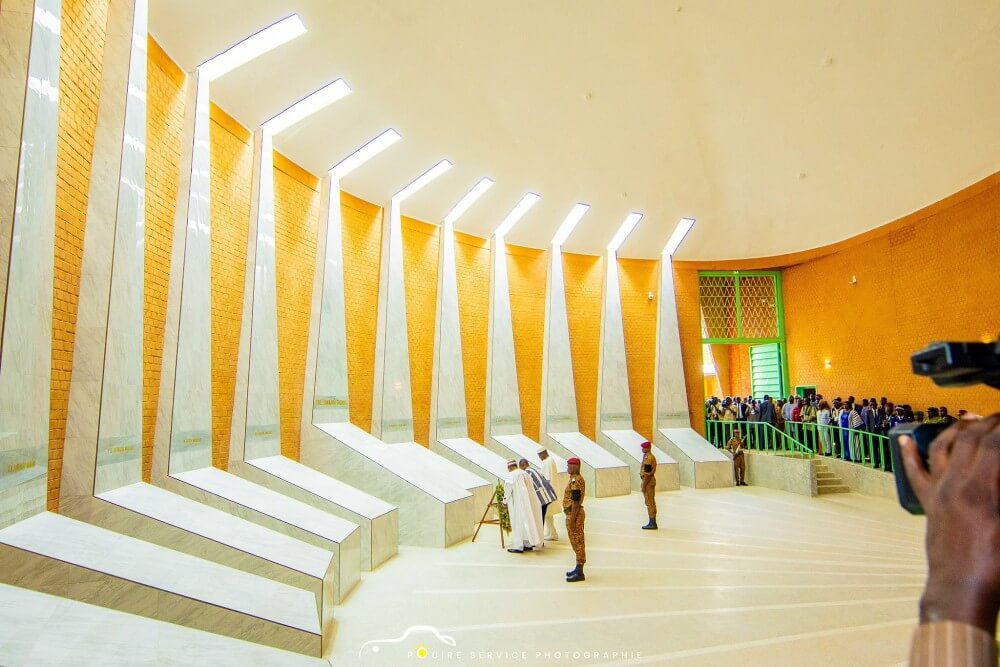
The Sankara mausoleum is more than a mere monument; it is a reclaiming of the Burkinabe narrative to a place long shrouded in pain. For decades, the site represented fear and pain, and today, it has been reimagined as a site of power, true leadership, and the positive reconstruction of Burkina Faso’s society. This transformation is more than symbolic, it reflects the broader African awakening – a refusal to let our heroes be erased or our futures dictated.
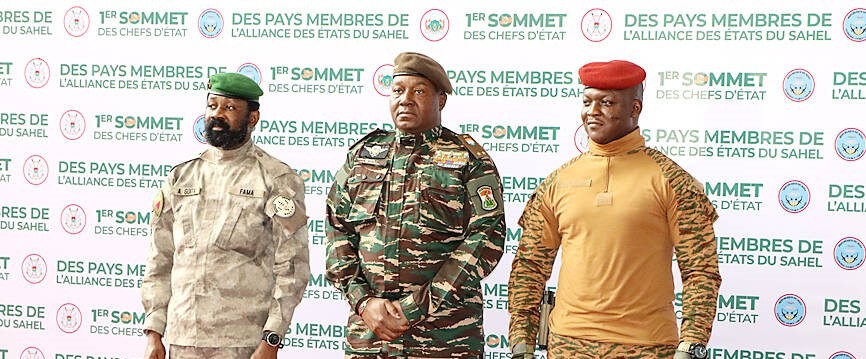
This is not just symbolic politics. It is part of a larger revolution Traoré is undertaking, one that seeks to realign Burkina Faso’s path away from dependency and toward sovereignty, regional solidarity, and genuine national development. In fact, Traore markedly withdrew Burkina Faso from ECOWAS, forming instead the Alliance of Sahel States with Mali and Niger, two nations also run by post-coup administrations. He has also reversed his predecessor’s salary increase for government officials, and remained on his military captain earnings – similarly to SA’s former President Nelson Mandela, and Gabon’s military leader Gen Brice Oligui Nguema.
Furthermore, Traore has ended military cooperation agreements with former-colonizers France, redirecting security efforts to local and national forces, and emphasizing the importance of reclaiming ownership – not only of land and minerals but of policy, narrative, and identity.
In many ways, the mausoleum is a fitting metaphor. It roots Burkina Faso in its radical past, while offering a platform for reimagining its future. And that future, under Traoré’s guidance, is being shaped in bold and unapologetically African terms.
This is the revolution within the revolution, a cultural and psychological shift that echoes Sankara’s own emphasis on dignity. It is one thing to control a nation’s territory; it is another to inspire its people, to nurture its identity, and to outrightly put the needs of the people at the top of the national mandate. Through Traore’s renewed focus on local agriculture, education, public service delivery, and so much more, Traoré is successfully reconstructing the foundations of Burkinabè society, from the ground up.
This is why the Sankara Mausoleum is so immensely invaluable. It is a reminder that leadership is not about personality cults or grandstanding, it is about purpose. Traoré, like Sankara, is leading with vision and intention, rather than from palaces and pompous acts of grandiose.
Critics, particularly in European and Western circles, have cast doubt on the trajectory of Traoré’s leadership, particularly the long-term sustainability of Burkina Faso’s break from its former strategic partners. However, we must remain weary of the age-old habit of non-Africans speaking on African matters. In fact, any critique of Traore must also be balanced against the undeniable decades of ineffective governance, chronic instability, and external interferences that had brought Burkina Faso to the brink of collapse.
Traoré’s leadership has proven itself to be rooted in the pan-Africanist belief that Africa can govern itself, defend itself, and define itself, without relying on those who have historically (and continue to) benefit from its vulnerabilities.
This leadership model is not limited to Burkina Faso. From Northern Africa’s Arab Maghreb Union (AMU) to the Southern African Development Communities (SADC), and beyond, the world is watching Traore intently. Traoré’s assertiveness has resonated with citizens across Africa – and beyond – who are sick and tired of corruption, dependency, and underdevelopment, despite abundant resources. His actions have rekindled the passionate values of Pan-Africanism, not as a theoretical ideal, but as a practical, implementable, transformational political path.
Traoré, propelled by the will of the people rather than elite interests, represents a break from the old order that served foreign agendas more than African futures. The reforms taking root today reflect a broader continental awakening: one where sovereignty, dignity, and justice are no longer negotiable. Traoré is showing us what is possible when leadership listens, acts, and stands firm.
The Thomas Sankara Mausoleum is more than a memorial; it is a cornerstone of a new national narrative. It signals to Burkinabè youth, and to African youth everywhere, that we are not condemned to repeat the cycles of the past. We can choose leaders who reflect our values, who honour our history, and who are willing to challenge the structures that have kept us marginalised and grossly underprivileged for far too long.
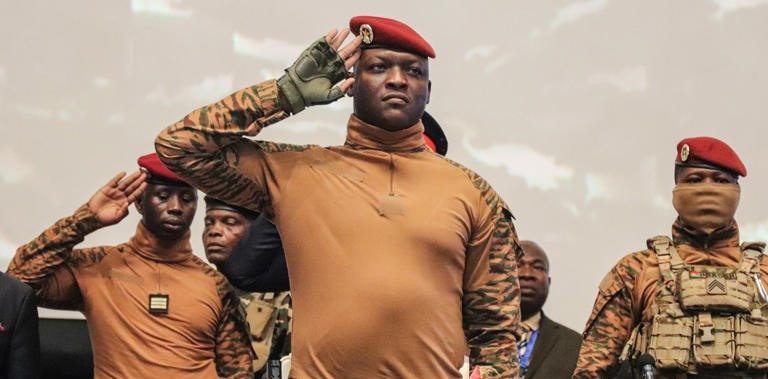
Ibrahim Traoré is far from finished. But what he has begun, from policy reform to cultural renewal, is already shifting the political horizon. The revolution he leads is not just about Burkina Faso’s future, it’s a profound declaration of what Africa is yet to achieve.
As the prolific former leader of Ethiopia, Emperor Haile Selassie once famously stated: “Throughout history, it has been the inaction of those who could have acted… that has made it possible for evil to triumph.”
If the Sankara Mausoleum is the foundation, then perhaps what follows will be the architecture of a new, sovereign, self-defined Africa. And that, at last, is what true leadership looks like. While many invoke Sankara’s legacy, it is Traoré who most visibly fulfills Sankara’s revolutionary challenge: “We must dare to invent the future.”

![SOUTH AFRICA SECURES OVERWHELMING SUPPORT AT ILO COMMITTEE ON APPLICATION OF STANDARDS - image: Department of Employment and Labour via Facebook]](https://gsmn.co.za/wp-content/uploads/2026/06/714264670_1472392264930586_8685705720856437543_n.jpg)