The day was hardly done, October 12, 2025 to be exact. It was the burial day of the late former arts and culture, and also police minister and SA ambassador to France, Nathi Mthethwa.
All the honours, due to him that the state could muster, would have been silly to deny on the strength of the various offices Mthethwa had occupied at the point of death aged 58. September 30, 2025 was the day on which Mthethwa breathed his last on foreign soil on public duty.
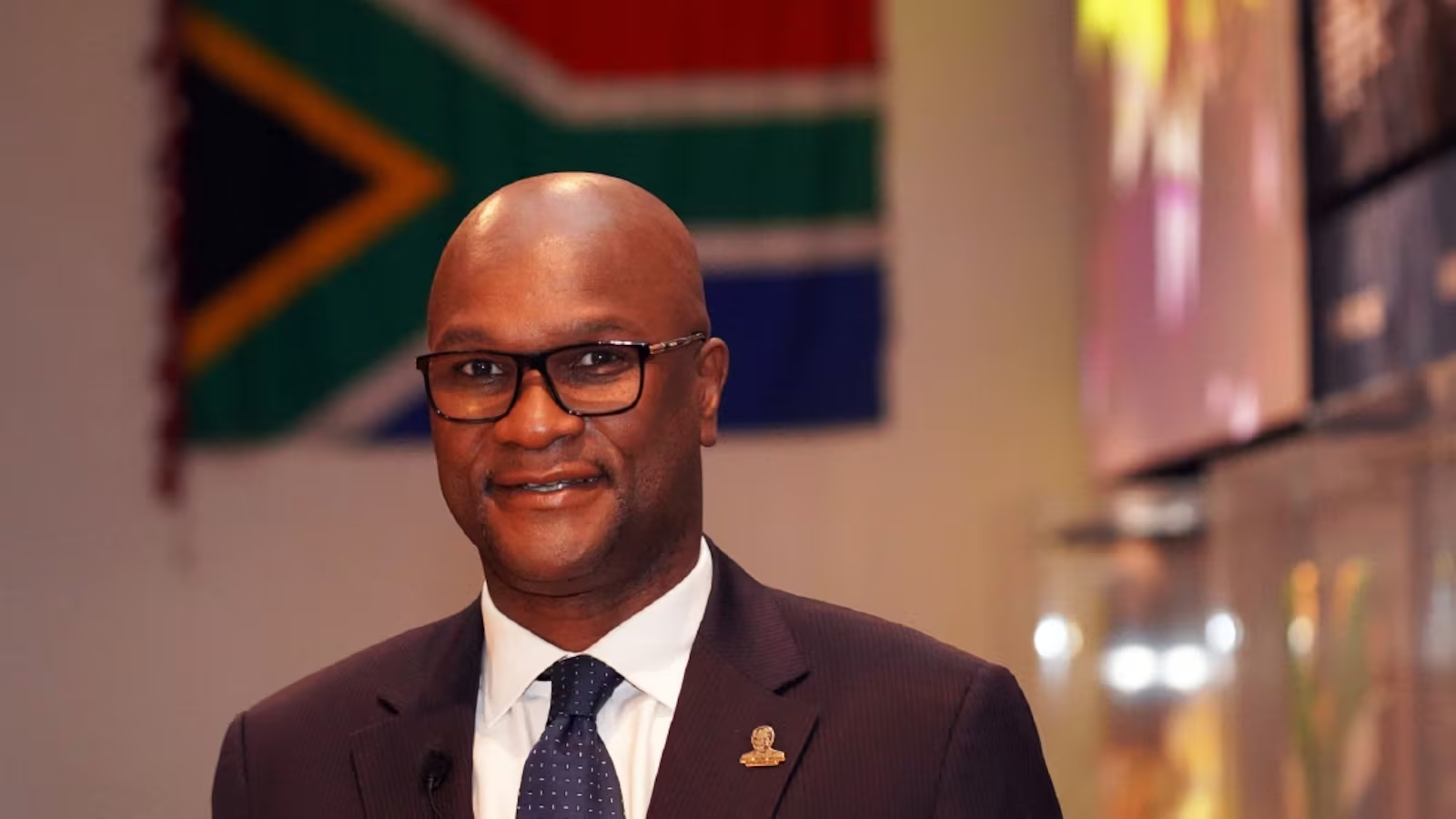
Mthethwa had met spouse Philisiwe Buthelezi, at an ANC conference in 2009. The two married on February 16, 2013 in a French-themed wedding ceremony in Franschhoek. Heavy burden weighs on the mind to think that a companionship that sprung from love and celebrated in a French-themed wedding came to a tragic end near the Hyatt Regency Hotel in the French capital, Paris.
On the day of Mthethwa’s burial, the country was still at sixes and sevens with intrigue of the circumstances surrounding the passing of its ambassador to France, Mthethwa. The wounded hearts of the Mthethwas were in the throes of pain and yet to contend with time to be a healer.

But life goes on. In the face of the solemn and dignified occasions for the burial of society’s esteemed, attended by the ordinary, the extraordinary, most valued guests (MVG), very important people (VIP) and the not so regarded invisible poor, hunger never leaves starving tummies alone to be at their best behaviour for a presenting chance for a meal. In the never-failing protocols reserved for the eminent, mighty, powerful and celebrities, the dignity of the many is in tatters.
It becomes even an unpleasant sight when organisers of such esteemed events, give faultless care to society’s MVGs and VIPs but not apply themselves as meticulously to the rest of attendees not deemed to be just as significantly worthy in the paying-of-respect stakes. The hurting, left living daily lives in the grip of less prosperity on such occasions, but nevertheless there to pay their last respects too, are a neglected sorry passing sight that doting serving eyes fixed on MVGs and VIPs rarely see.
In the days that go by, the hands of time never wait nor permit to be turned back for the needy, to keep lift to levels of the affluent, for poverty eradication of all to jointly live happy lives, decently together. This behavioural trait of being blind to stubborn poverty – emaciating the dignity of the poor – is not limited to times of joy. It is similarly the case in times of grief going, with funerals.
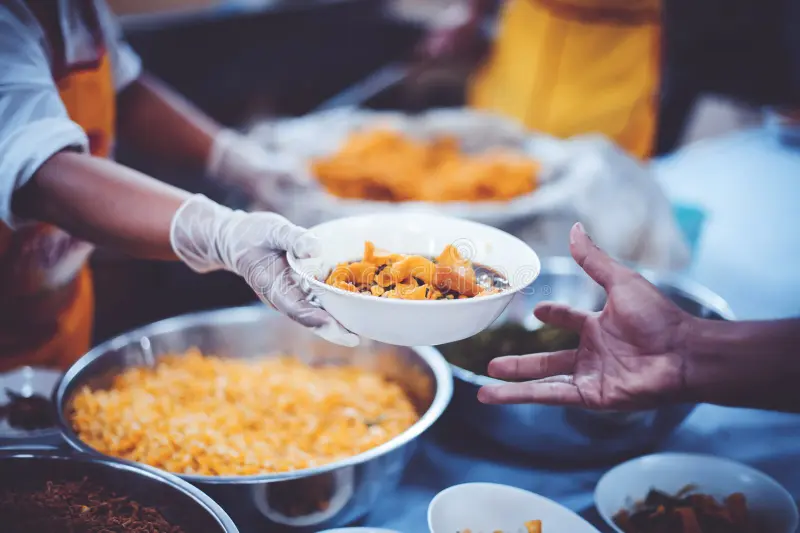
The scent of flowers on Mthethwa’s grave, where his body was laid, was most probably still fresh when the video circulated depicting the hungry cast as food looters at his funeral.
The white tent, serving tables still wrapped in white could be spotted. And strewn paper containers for food for the not so highly regarded mourners to scramble over – clad in ANC colours – was undeniably an eyesore.
The video was met with disbelief, claims and counter-claims, and denials that the troubling scene was at Mthethwa’s funeral. The jury is still out to settle the actuality of it all. Moved on are all, in their adjudicative postures on the bench. As the song goes, life is going. The patience of the well-off is everlasting, highly regarded and enjoys all the attention and care that is due, that the state can give.
The impatience of the miserable can wait, with their scramble for food described as looters.
The common factor with the crisscross interests detachment of viewing jurists of the video, for its validity, in these our heartrending times, is leaning on their respective comfort zones, including this writer to testify to the daily unbearable conditions the afflicted live in.
Few to zero to make time to walk in the shoes of the miserable, some of whom do not even have a pair to walk on, depicted in the video as food looters. Hunger has no respect to give hungry stomachs time to be at their best behaviour.
Think about it. What even drives a person with no faintest idea of the deceased to go to a funeral if a chance for a meal for a day is not a moving possibility?
Poverty is real and demeaning in its consequences. It gets worse if those tragic moments of loss, predictably going for mass attendance, due care is not given for organisational prowess for food distribution points. Loving the funeral more than the deceased is most hurtful to a hungry stomach.
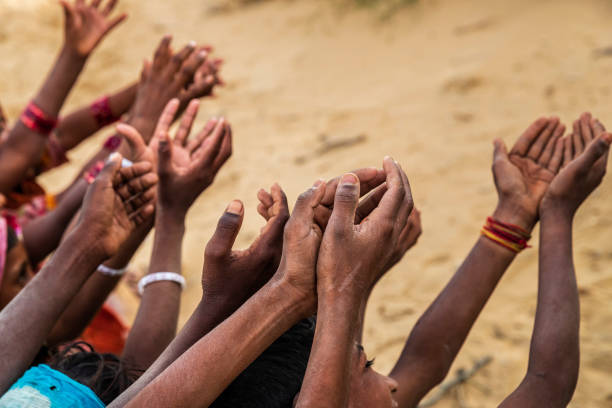
Embedded in that setting, is a reflection of the ugly degrading picture of the pain of poverty, stalking the lives of struggling people, cast on mortal vulnerabilities of a variety of underlying afflictions.
The scramble for food is a confusing, scary scene to leave one in mad anger at the loss of dignity that hunger presents. Poverty is more than a political statement. It is excruciatingly real.
Siboniso Ntshalintshali, my nephew, is a lawyer by trade and alive to this everyday reality. Ntshalintshali is never short of taking the Mickey out of everything. A standing obligatory reference when looking to tell the truth in jest in hellish circumstances – not of the making of the afflicted.
Ntshalintshali took from my late brother – originally hailing from Mapetla, Soweto – Bra Solly Ramailane, peace to his soul. Born June 25, 1933, Bra Solly died on April 8, 2012.
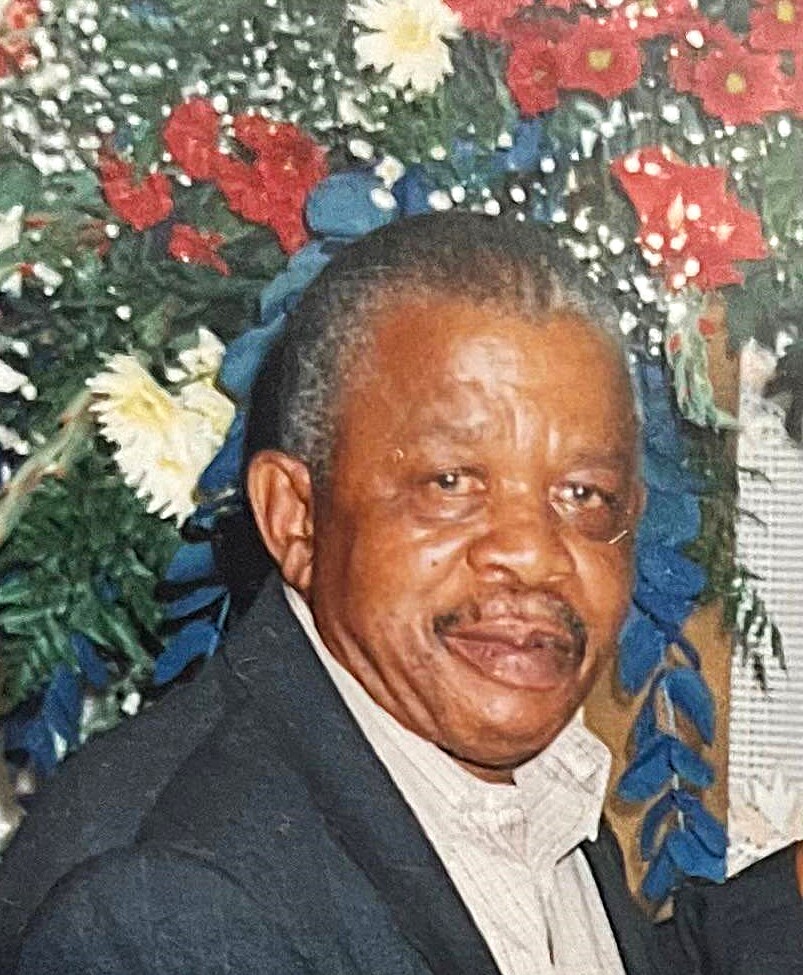
Bra Solly said poverty had stripped black people of their dignity, a situation so desperate that going to a funeral presents a chance for a day’s meal. “Ntandane restaurants”, Bra Solly said that’s what funerals had become. The celebratory after-tears ritualistic extravaganza is what disgusted Bra Solly the most, saying it is the story of poverty talking but never heard. Some see it. Some don’t. Others don’t even know where to look when the picture confronts their eyes, as is the viral video purportedly showing people as food looters at Mthethwa’s funeral.
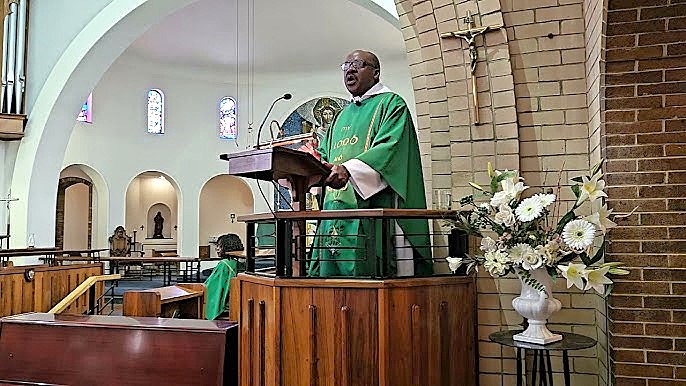
Sharing Bra Solly’s take on poverty, former parish head at Holy Cross Anglican Church, next to Hector Pietersen Memorial Museum in Soweto, Rev Console Tleane did not skip a beat in agreement: “True Tower! It is poverty. Serving as a priest in Soweto for 3 years I saw this phenomenon. About one/third there after the burial would be hungry people who just want to have a day’s meal. I noticed the same thing in my village whenever I go there for a funeral. It’s painful.”
An entrepreneur and sojourner in the mining field and a friend, Raisaka Masebelanga, concurred with Rev Tleane: “My brother, people are hungry. Food insecurity is real,” he told me, before adding in Afrikaans: “Ek is van Mapetla af, (I am from Mapetla.) Ek sien (I see) the poverty at weddings and funerals. People attend these in numbers so they can eat and take some for their kids at home.”
Masebelanga continued: “For the many there is despair, hopelessness, real hunger and misery in our country, whilst there are few who are rich and buy many cars and houses instead of devising plans to create employment and combat poverty.”
May the fighting gods of the liberation never give up on the reinstatement of the dignity and humanity of the suffering and of the dispossessed worldwide.
Despite our uncouth world order, I still take refuge in the warm thought that the Supreme Being sees the suffering; has not forgotten or turned back on the poor and shall hear their prayers for the return of their dignity to reclaim pride of place in creation.