![SOUTH AFRICA RE-AWAKENING [IMAGE: ULTRAWEB SA]](https://gsmn.co.za/wp-content/uploads/2026/04/Day-of-Reconciliation-in-South-Africa.jpg)
In a marriage, betrayal is rarely accepted all at once. It reveals itself slowly — through disbelief, excuses, rationalisation, even denial. One clings to what once was, determined to “work at it.” And when acceptance finally comes, it is not relief that arrives — it is pain. Deep, unsettling pain.
This is where many of us now find ourselves as South Africans.
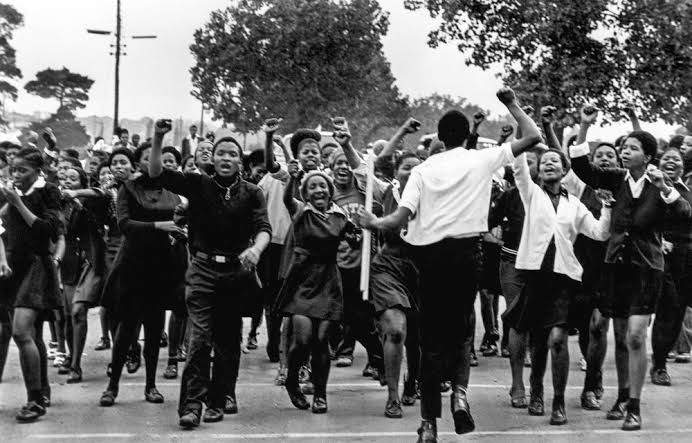
We began on a high note in 1994 — a moment of profound hope and collective trust. After decades of struggle, we believed the country was in the right hands. We stepped back, trusting those who had carried the torch of liberation to now carry the responsibility of governance.
Who could have imagined what would follow?
Bazosivukela esiswini njengesitshodo, utshwala bayizolo.
That those we trusted — our own — would turn against the very people they once served.
Could our people really be this corrupt?
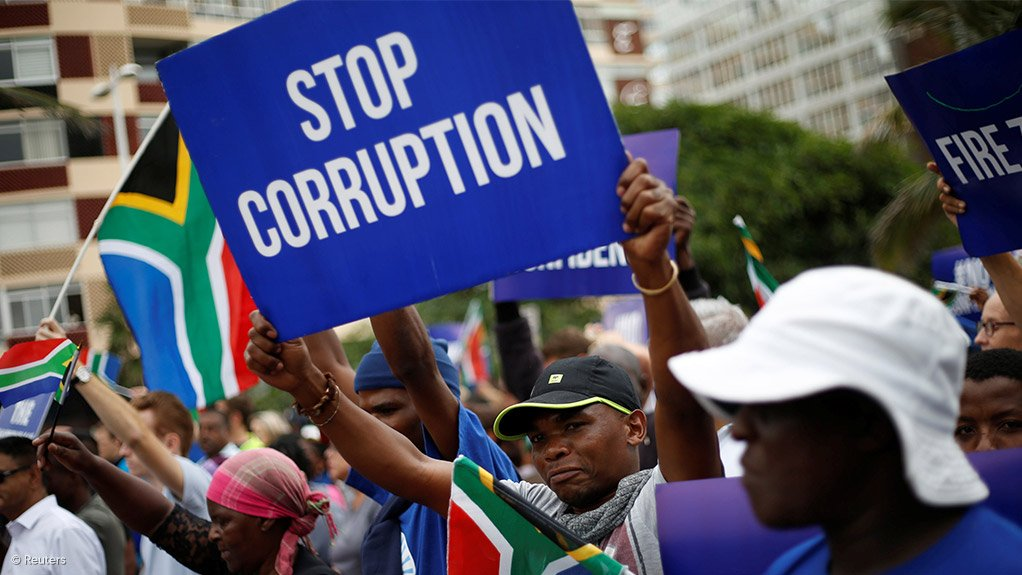
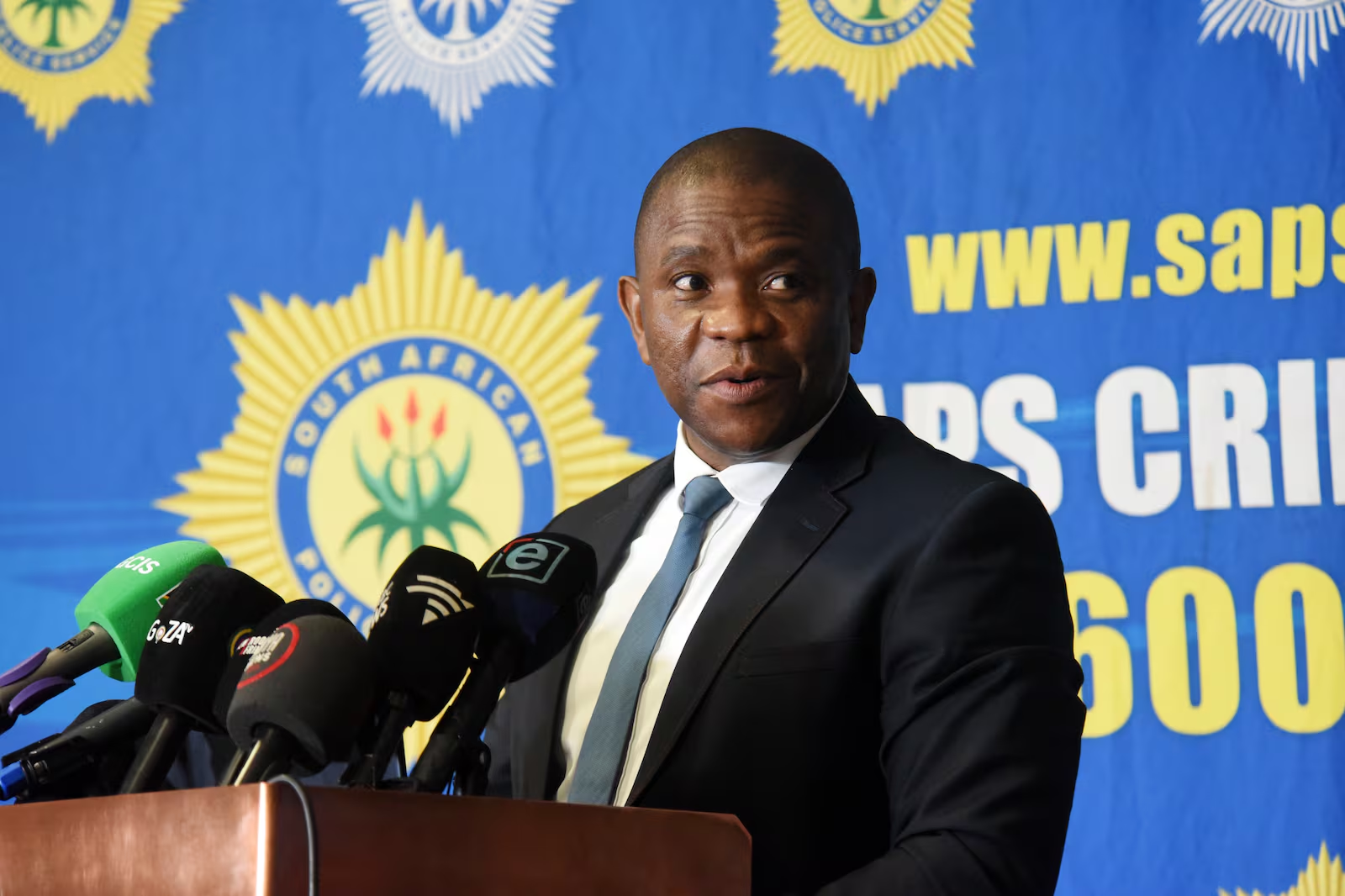
And yet, the evidence now surrounds us. From the revelations of the Zondo Commission to the work of the Madlanga Commission, parliamentary ad hoc committees, and various other inquiries currently underway, we are being confronted — repeatedly and in painful detail — with the scale of institutional decay.
We have witnessed state capture at Eskom, the hollowing out of Transnet, corruption at PRASA, the looting of municipal resources, and the devastating misuse of public funds during the COVID-19 PPE procurement processes. These are not isolated incidents. They form a pattern — a system of extraction that has eroded public trust and weakened the very foundations of our democracy.
This is not a single moment of failure. It is a pattern. A system. A slow unravelling that we can no longer explain away.
This is not just a political question. It is a moral wound.
![The Madlanga Commission of Inquiry into Criminality, Political Interference and Corruption in the Criminal Justice System. [Image: Oupa Mokoena / Independent Newspapers]](https://gsmn.co.za/wp-content/uploads/2026/02/jpeg-2gg.jpg)
For many, the turning point came with the revelations of the Zondo Commission — a moment when what we suspected began to take undeniable shape. What we did not fully grasp then was the depth of the rot, and how far-reaching its consequences would be.
Today, it is no longer possible to look away.
What we feel now is not simply anger. It is disappointment. And disappointment cuts deeper, because it is rooted in belief. You can only be this disappointed in something you once held dear.
Lafa elihle kakhulu.
Something beautiful has died.

The Ambivalence of the Ballot
We face the coming elections with an unfamiliar ambivalence.
There was a time when the ballot box required no debate. Our choice was clear, anchored in history and hope.
Now, for many, the greater temptation is not to choose differently — but not to choose at all.
To walk away.
To disengage.
But we must confront this honestly: withdrawal is not an act of protest. It is an act of surrender.
And a nation already weakened by disappointment cannot afford the silence of its people.

We must also be careful not to let this lament become a resting place.
Because if we stop at mourning, we risk surrendering not only the present, but the future.
What we are experiencing is not just the failure of leaders. It is a rupture in the moral fabric of our society. Repairing that fabric cannot be outsourced to commissions or political parties alone.
It requires a collective re-awakening.
We must confront an uncomfortable truth: corruption does not thrive only because of those who commit it, but also because of the environments that tolerate it. Silence, resignation, and quiet complicity have all played their part.
This is not about blame. It is about responsibility.
And this is where we must regroup — as a society grounded in Generational Ubuntu.
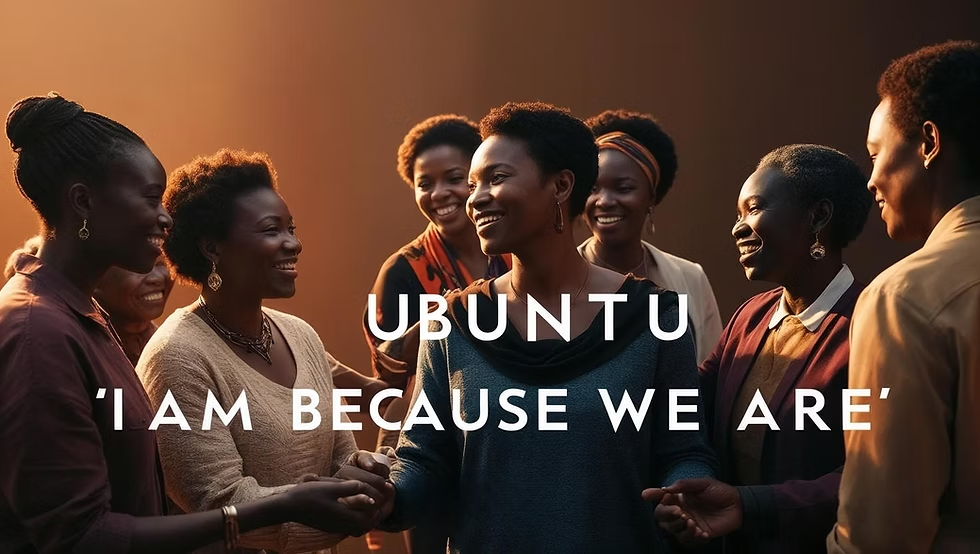
Ubuntu is an active ethic of accountability and mutual care.
It demands that elders step forward as custodians of moral memory and lived wisdom. It calls on the middle generation to reclaim integrity within the institutions they manage. It challenges young people to rise, not only in protest, but in purposeful leadership.
When these generations stand apart, we weaken. When they stand together, we rebuild.
A national re-awakening requires that we face our demons honestly: the normalisation of corruption, the seduction of power without accountability, and the quiet acceptance of decline as inevitable.
It requires us to ask not only “What have they done?” but also “What have we allowed?”
Because renewal begins with truth.
If something beautiful has indeed died, then something equally powerful must now be born.
A living legacy is not what we inherit. It is what we choose to build in response to what we have lost.
This is our moment — not only to reflect, but to act.
To move from disappointment to dialogue.
From lament to leadership.
From memory to movement.
Let this not be the end of the story.
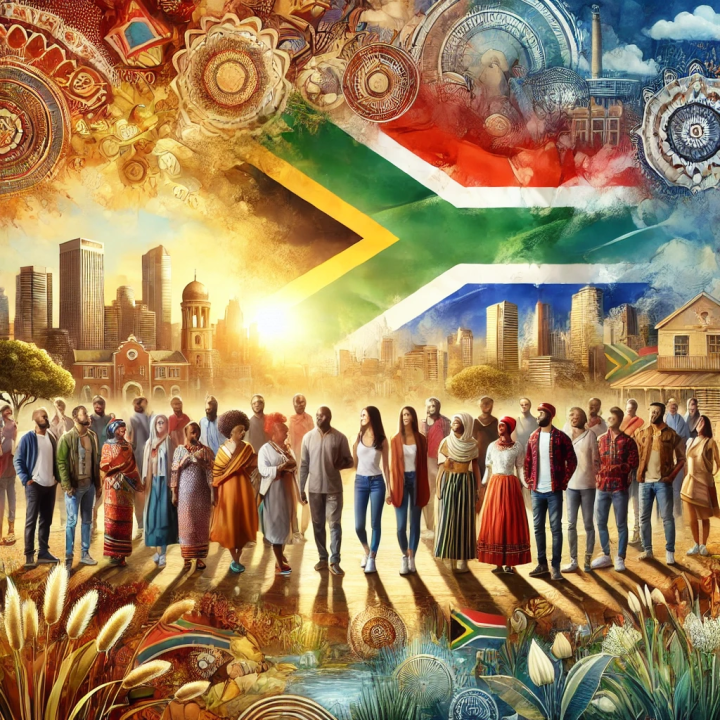
Let it be the beginning of a national re-awakening.
Regroup. Rebuild. Reclaim.