This past Thursday, the 17th of September, marked the 32nd annual International Day for the Eradication of Poverty. This day, also known as Poverty Day and instituted by the United National General Assembly (UNGA), is not only aimed at promoting vital discourses around the rampant issue of poverty, but also highlighting the frequently ignored aspects of poverty: the social and institutional mistreatment imposed on those living in impoverishment.
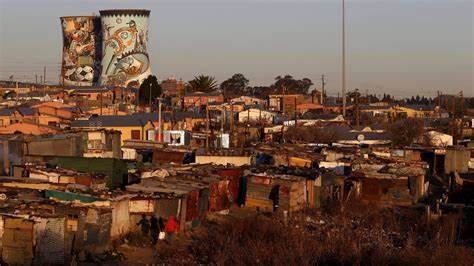
This day is particularly critical in South Africa, where – even 30 years after the advent of democracy – we still live in the most unequal society in the world, and over half of the entire nation lives below the poverty line.
The theme for 2024’s Poverty Day is: “Ending Social and Institutional Maltreatment, and Acting together for just, peaceful and inclusive societies.” This theme is particularly eye-opening, as it sheds light on the oftentimes undermined intricacies and ramifications faced by those who live in poverty. What’s more, is that these social and institutional effects are often highly discriminatory, and directly oppose our constitutional values of inclusion, access and fairness. This poverty day is also shining a light on the fact that those who live in poverty do not only struggle at a materialistic level but are also facing deeply rooted systematic oppression.
Social mistreatment can be defined by various negative attitudes and prejudicial behaviours, however, it can surmise as the disregard for an individual’s dignity. Social mistreatment of people can come about in various aspects of life, from schools, to workplaces, to medical institutions, and even religious institutions. These forms of discrimination take place regardless of the ethical obligations and responsibilities of leaders and institutions and are frequently ignored when they occur.
Social mistreatment of those who live in poverty takes place verbally, through profanity, vilification and humiliation. This may be in instances of simply grocery shopping, or more serious instances such as reporting a crime to law enforcement. Ultimately, this stems from the egregious idea that people who live in poverty do not deserve the same respect as those who do not, nor have the power to defend themselves in instances of injustice.
Social mistreatment also occurs in emotional forms. This includes, but is not limited to, neglect, hostile environments, isolation, and verbal threats. This also stems from a sense of intimidation and often toxic power relations that seek to subjugate those who live in poverty. This is oftentimes coupled with invalidation (alongside gaslighting) and coercion.
The most dangerous form of social mistreatment is physical. This includes threats of physical harm, damaging personal property, being forcefully and unjustly removed from a public space, denial to life-saving facilities, or even physical restraints against one’s will. For those who live in poverty, these instances can easily lead to displacement, mental debilitation, illnesses and death.
Social mistreatment manifests itself in various covert and overt ways. What’s even more deplorable is that these are offences that occur on a regular basis and remain predictably unpunished. The general consensus about these offences is that, because they are not unlawful offences, rather discriminations rooted in social behaviours, that they should remain ignored. However, this is an absolute fallacy, and directly leads to the perpetuation of larger crimes and abuses in our society. Furthermore, the social mistreatment faced by those living in poverty directly correlates with the institutional mistreatments that they face.
Institutional mistreatment of those who live in poverty relates to the practices and policies – in both private and public institutions – that exacerbate these discriminations and biases against impoverished people. According to the Department of Social and Economic Affairs at the United Nations, people living in poverty are frequently susceptible to “interactions with institutions that are marked by judgment, control, and a lack of concern for their basic needs”. In fact, in South Africa, access to institutions of all types requires a certain level of economic power, education about the systems and processes, and persistent confidence in overcoming the arbitrary barriers that are imposed by these institutions. This, in fact, affects a plethora of dimensions within the average experiences of a human being, such as their access to education, healthcare, housing, employment, social security services, and so many more. More importantly, this means that the social biases, stigmas and prejudices that are imposed by average humans onto impoverished people, are being driven by formal institutions.
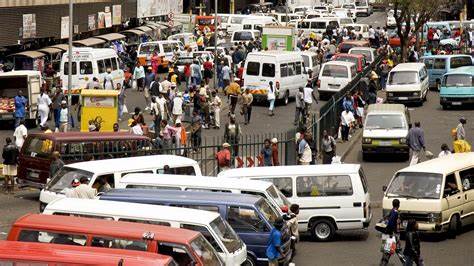
Institutional mistreatments are therefore key in continuing to impose a toxic cycle of prejudices that are based on economic – and deeply personal – biases. This is not only felt by those who work remedial jobs such as refuse collectors and housekeepers, but also by those who work in primarily physical occupations and informal sectors, such as contractors and street hawkers.
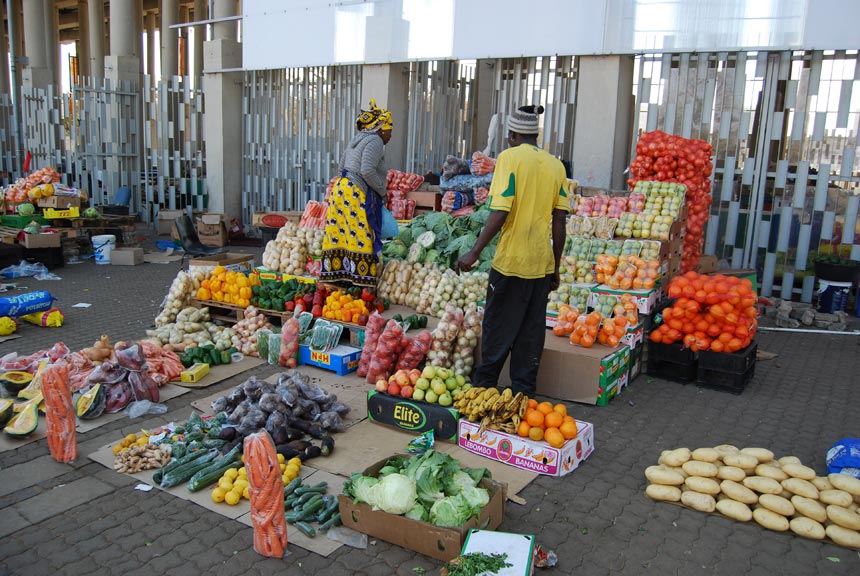
This harmful mistreatment of people who live in poverty is perpetuating a highly precarious society, riddled with injustice, bigotry, and dire maltreatment. It is furthering instances of exclusions based on unethically motivated reasons, such as racism, sexism and economic discriminations.
“Aporophobia” is the term demarcated to those who hold irrationally negative attitudes and feelings towards poor people. It is the disgust and hostility towards impoverished people that results in the widespread exclusions and barriers – both socially and institutionally – to poor people.
The destructive combination of institutional and social forms of mistreatment results in the physical, social and psychological debilitation of human beings – over half of our own society. The erosion of personal agency, undermining self-esteem, and stripping individuals of their dignity directly leads to a disempowered, insecure society. This ultimately affects human potential at a formidable stage, affecting all of society in a deeply detrimental way.
It is the people in a society that are primarily responsible for the perpetuation of social and institutional forms of poverty. It is on the onus of the people to redress and overcome this rampant issue. Educating oneself about the various barriers and challenges that are imposed on those in impoverishment is vital to identifying and destroying them. This is not only for the betterment of others in our society, but for the fostering of a healthy, inclusive, and just society overall. Challenges, ideas and assumptions, create awareness, and contribute to solutions that aim to eradicate poverty in our society. This year marks 30 years after the advent of democracy in SA, and it is critical that we begin to actively shape the society that we want to see in our futures. As former President Nelson Mandela said: “Overcoming poverty is not a task of charity, it is an act of justice. Like Slavery and Apartheid, poverty is not natural. It is man-made and it can be overcome and eradicated by the actions of human beings.”