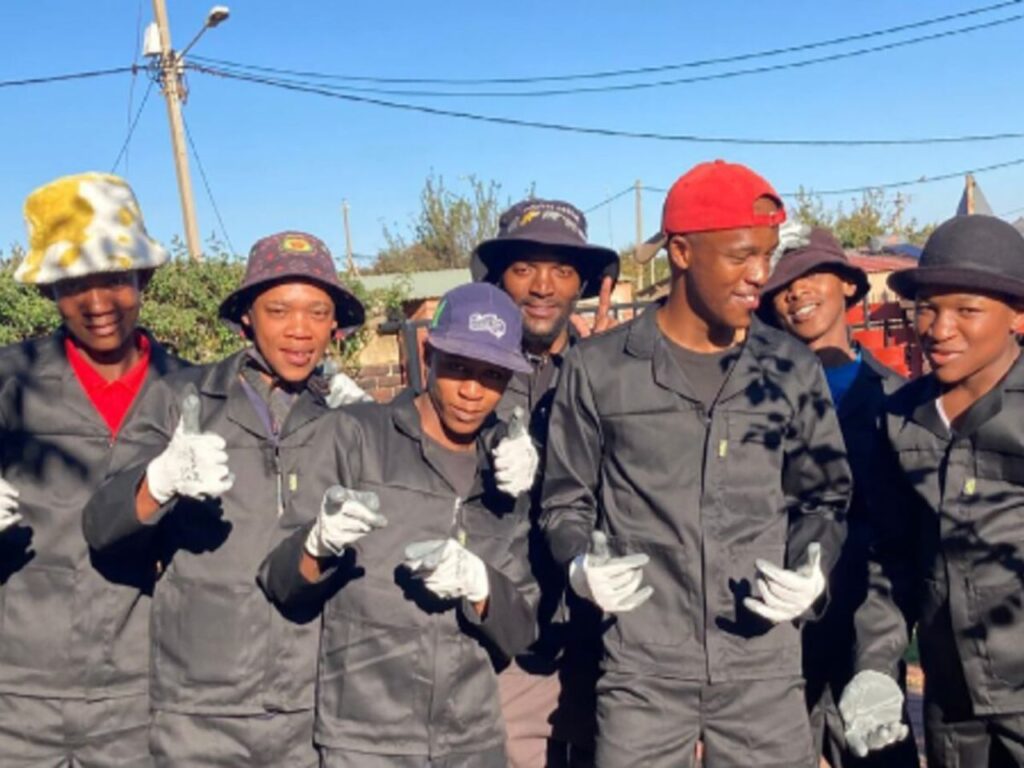
In the heart of Potchefstroom, a quiet revolution is unfolding. It’s not led by politicians or celebrities, but by a 22-year-old named Peterson Sebati and a dynamic force of young South Africans who have resolved: “We will not wait for change – we will create it ourselves.” They are embodying what it means to “be the change you want to see”.
Peterson founded Retsa Tsela, which, loosely translated means “making a way,” with a simple yet powerful mission: to restore dignity to neglected public spaces. What began as cleaning up a local park has blossomed into a nationwide movement, with volunteers transforming schools, taxi ranks, post offices, and more. The before-and-after photos are striking, but it’s the stories behind them that truly matter.
These young people are not motivated by fame or fortune. They are driven by a deep love for their communities and a refusal to resign themselves to crumbling environments. They are showing us that change doesn’t have to come from the top down; it can start with us, on the ground, in our own backyards.
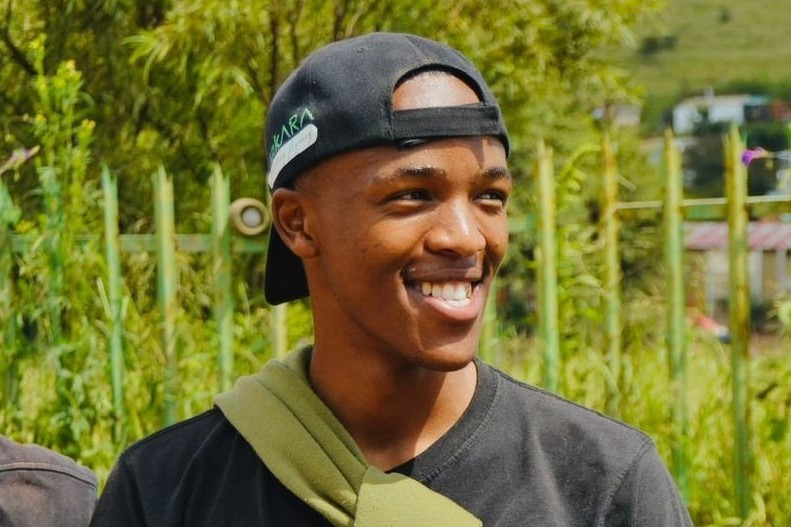
This is a call to action for all South Africans. For too long, we’ve been passive observers, waiting for someone else to fix what’s broken. Retsa Tsela is proving that we don’t have to wait. We can roll up our sleeves and make a difference today.
A profound challenge across our post-apartheid society is the assumption that the government is here to save us, to enact development, and to construct the nation that was so arduously fought for during the colonial and apartheid years. This is a fallacy that has been our biggest downfall. Our modern-day government is sadly riddled with mismanagement, corruption, and outright incompetence. If there is any change to be made, it will have to come from the people themselves – because we simply cannot rely on those who have failed us time and time again.
But movements such as Retsa Tsela need more than just volunteers; they need support. From funding, to resources and recognition. Corporations, government agencies, and individuals must step up to help sustain and expand this vital work. Supporting Retsa Tsela is not just about cleaning up our streets; it’s about investing in the future of our nation.
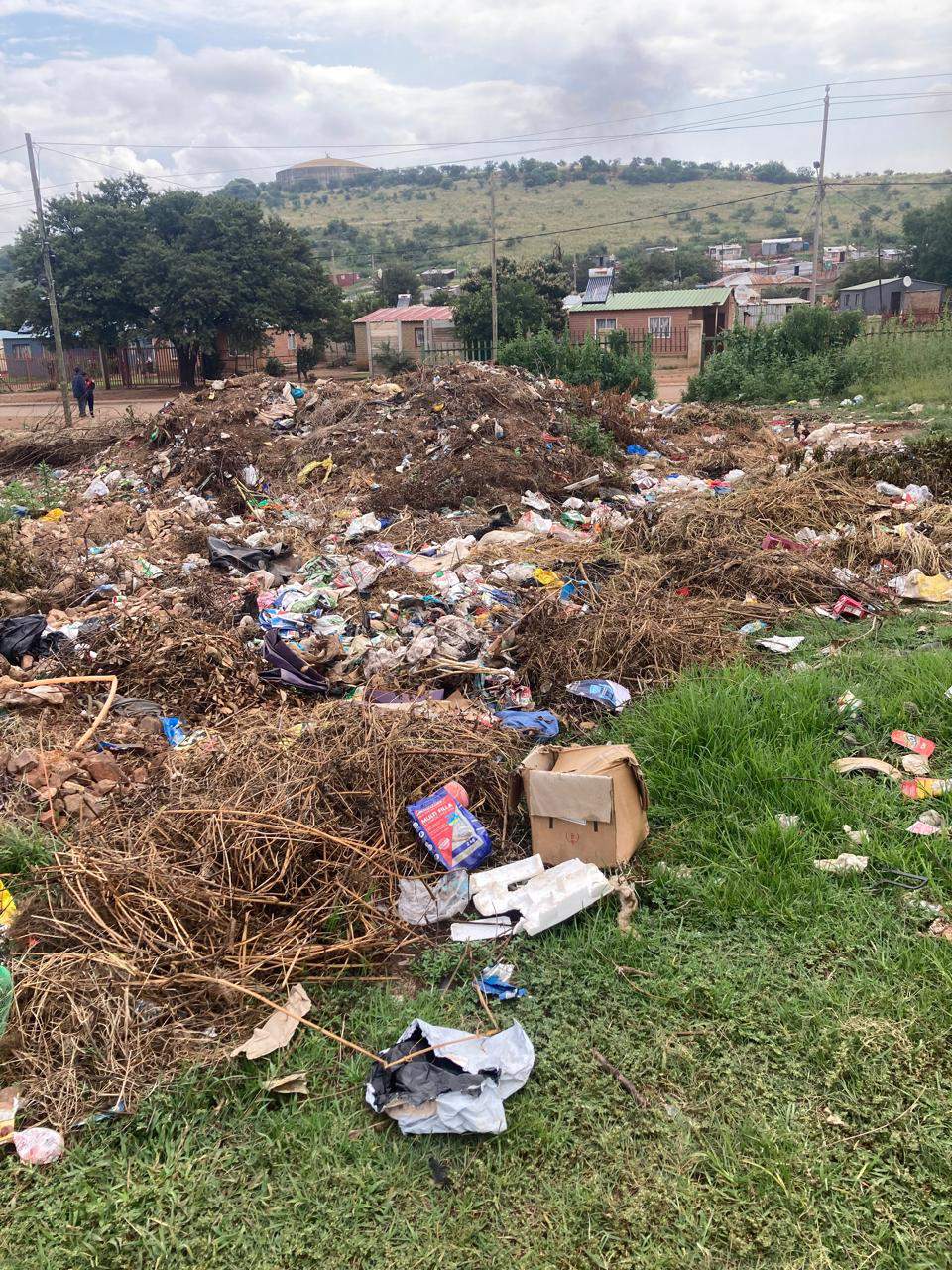
It’s also about changing the narrative. We’ve been conditioned to believe that only the government or large organizations can bring about meaningful change. Retsa Tsela is challenging that belief. It’s showing us that when we take responsibility for our own communities, we can transform them.
This isn’t just about aesthetics, it’s about dignity. It’s about creating spaces where people feel valued and respected. It’s about fostering a sense of belonging and pride. Our environment is a vital aspect of our conditioning and our general outlook. When we invest in our communities, we are investing in ourselves.
The work of Retsa Tsela is a testament to the power of collective action. It’s a reminder that each of us has a role to play in building the society we want to live in. We don’t have to wait for permission to act; we can start now.
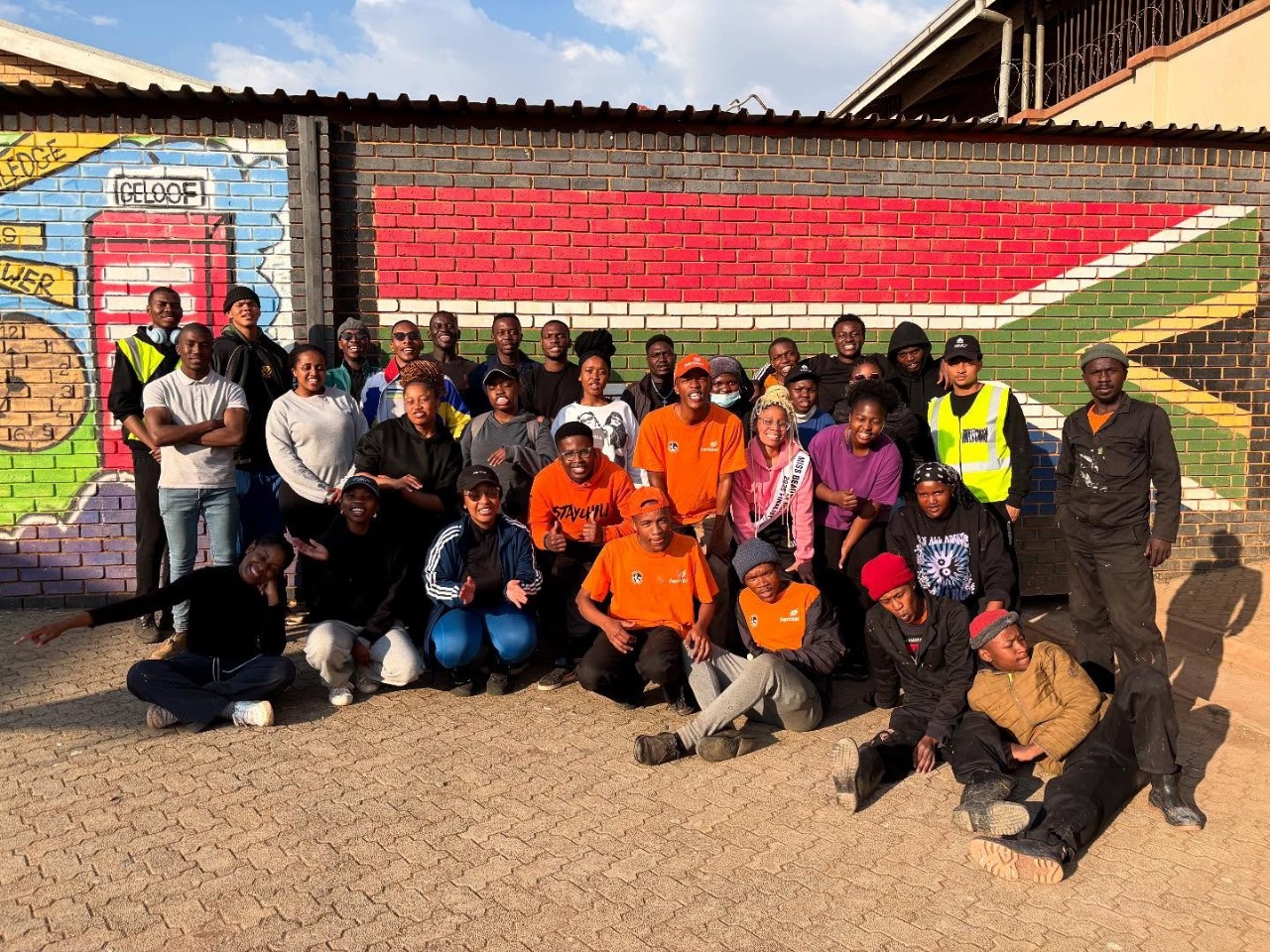
Initiatives like Retsa Tsela are not only working solely for the communities that remain side-lined and underdeveloped, they are also largely dependent on those very communities for help and contributions. This is for the everyday South African, by the everyday South African. As such, your role matters. Volunteer. Donate. Raise awareness. Stand with this movement however you’re able to. Together, we can ignite a nationwide surge of transformation.
Furthermore, Retsa Tsela is more than just a clean-up initiative, it’s a movement that embodies the spirit of Ubuntu – the belief that we are all connected and that our humanity is bound up in one another. It’s a movement that reminds us that we have the power to shape our own communities, and actively construct the futures we want to see. As our first Democratic President Nelson Mandela once insightfully said, “It always seems impossible until it’s done.”
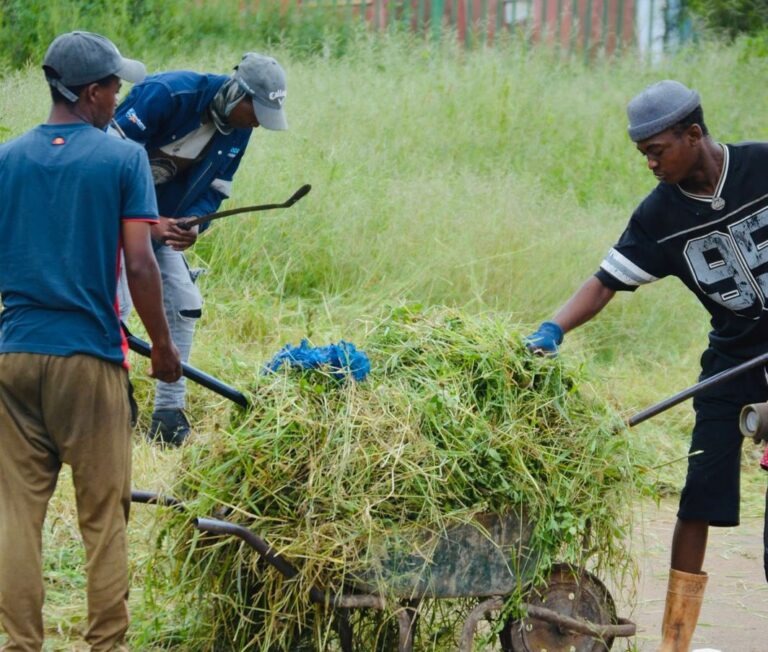
The future isn’t something that will be handed to us — it’s something we have to fight for, every day, in every neighbourhood. Peterson and the young leaders of Retsa Tsela are showing us what’s possible when we refuse to accept neglect and decay. This is a moment for all of us to stand up, to own our communities, and to demand more — not just from those in power, but from ourselves.
If we want a South Africa where dignity, safety, and opportunity aren’t luxuries but rights, then we must make that future happen. Waiting won’t fix what’s broken. It’s on us to rise, to rebuild, and to drive the transformation that we all dream of. Our own history has taught us that we must drive the change we want to see. As the profound adage goes: “The power to change the world lies not in the hands of the few, but in the hearts of the many.”

![SOUTH AFRICA SECURES OVERWHELMING SUPPORT AT ILO COMMITTEE ON APPLICATION OF STANDARDS - image: Department of Employment and Labour via Facebook]](https://gsmn.co.za/wp-content/uploads/2026/06/714264670_1472392264930586_8685705720856437543_n.jpg)