

We’ve come to the very end of a treacherous year in international relations. There have been so many events happening, so many divisive statements uttered and so many men and women brazenly embrace war-talk. Yet, despite all the apparent gloom and doom there was reasonable hope for the future amidst the present that is characterised by growing unilateralism.
Among the notable events were G20 heads of state summit held in South Africa, the first such meeting to be held on African soil. The accompanying irony in that was the unmistakable snub of the US, on the watch of incumbent President Donald Trump, who ordered the boycott of the G20 where Washington was scheduled to take over the presidency of the organisation from South Africa.
When Pretoria refused to hand over the presidency to a low-ranking US embassy official, Washington was left seething with anger. Almost immediately after the hand-over eventually happened at SA’s foreign affairs HQ, President Trump wasted no time to announce that SA will not be invited at the 2026 G20 heads of state meeting to be held in Miami, Florida.

It was a statement uttered in the spirit of vengeance. It was punitive in intent and purpose. Once again, the announcement confirmed the latter-day US foreign policy that is premised on the notion of unipolar approach. A few months ago, the Trump administration refused permission for the Palestinian President Mahmoud Abbas to attend a UN meeting in New York. This is the price the international community seems content to pay. The collective silence of the global community over Abbas’ refusal of visa to travel to the US is still deafening. Away from the public glare, diplomats expressed outrage at the US. But then again, what purpose does muted and hidden outrage serve?
The G20 and indeed the UN are international forums whose meetings ought not to be attended on the whims of the US. But such are the signs of our times. The US-led unilateral imposition of economic sanctions on adversaries – real or perceived – has come to symbolise the unmatched global power of the US, the world’s biggest economy since the end of WWII in 1945.

The US-led Western hegemony has successfully redrawn and redrafted the founding UN Charter that is premised in the spirit of multilateralism and international consensus-seeking mechanism. In 2025 alone, examples of US unilateralism had been plentiful. The imposition of tariffs against virtually all nations of the world, safe for Israel, was a statement and declaration of unilateral power of the US above anything and everything else.
I’ve always wondered why individual nations abide by the US sanctions against any victim of Washington’s foreign policy. Some diplomats have argued that fear is at the centre of non-compliance with US imposition of sanctions against adversaries. Again, this then points to the decline of multilateralism. That almost all nations should be too frightened to be on the wrong side of the US – to such an extent that they further oblige to the sanctions policy against their will – is proof that the status of the UN system is in jeopardy.

Under the Trump administration, the Western hegemony is evidently crumbling. This can particularly be good development for the Global South, and all nations that were once colonised. The traits of neo-colonialism loom large across the former colonies, hampering progress in modernity. Diplomatic imperialism based on the superior economic muscle of the Global North nations has hampered development all over the Global South. When President Trump treated Europe and the rest of the West same as he treated Africa and the rest of the Global South by imposing tariffs and speaking tough against all, for a change Europe felt the pinch of the shoe Africa knows too well.
Suddenly, Europe’s position as America’s holy cow ceased. This must have been too painful to bear. For decades, the EU has used America as the wind beneath Europe’s wings. Not anymore. This has highlighted what the Russian President Vladimir Putin and his Chinese counterpart, President Xi Jinping, have oftentimes described the irreversible reconfiguration of the international world order. According to my own observation, these global changes – the winds of change – are marked by the crumbling of the cookie that is the collective West.

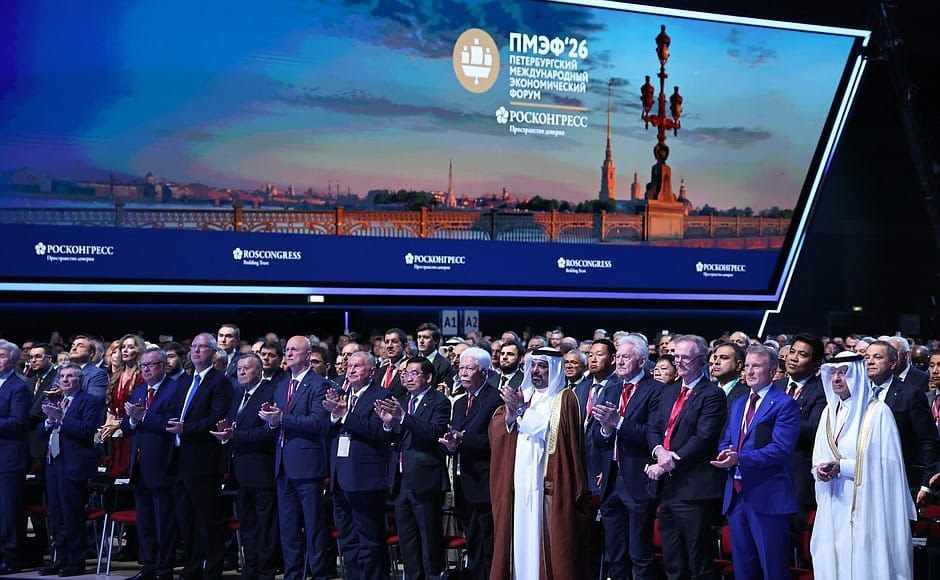
On the other hand, the Global South has been reinvigorated and rejuvenated by China’s rise as a world power of note that is unashamedly pushing the agenda of the Global South. The emergence and rise of BRICS, with dozens of nations applying for membership, is another factor. Apart from Russia, China, Brazil, India and South Africa, BRICS has now enlisted Iran, UAE, Egypt, Ethiopia, Indonesia and the Saudis are virtually in, too. There is also the Shanghai Cooperation Organization (SCO), a Eurasian political, economic and security alliance. SCO members include China, Russia, India, Iran and Pakistan, among others.
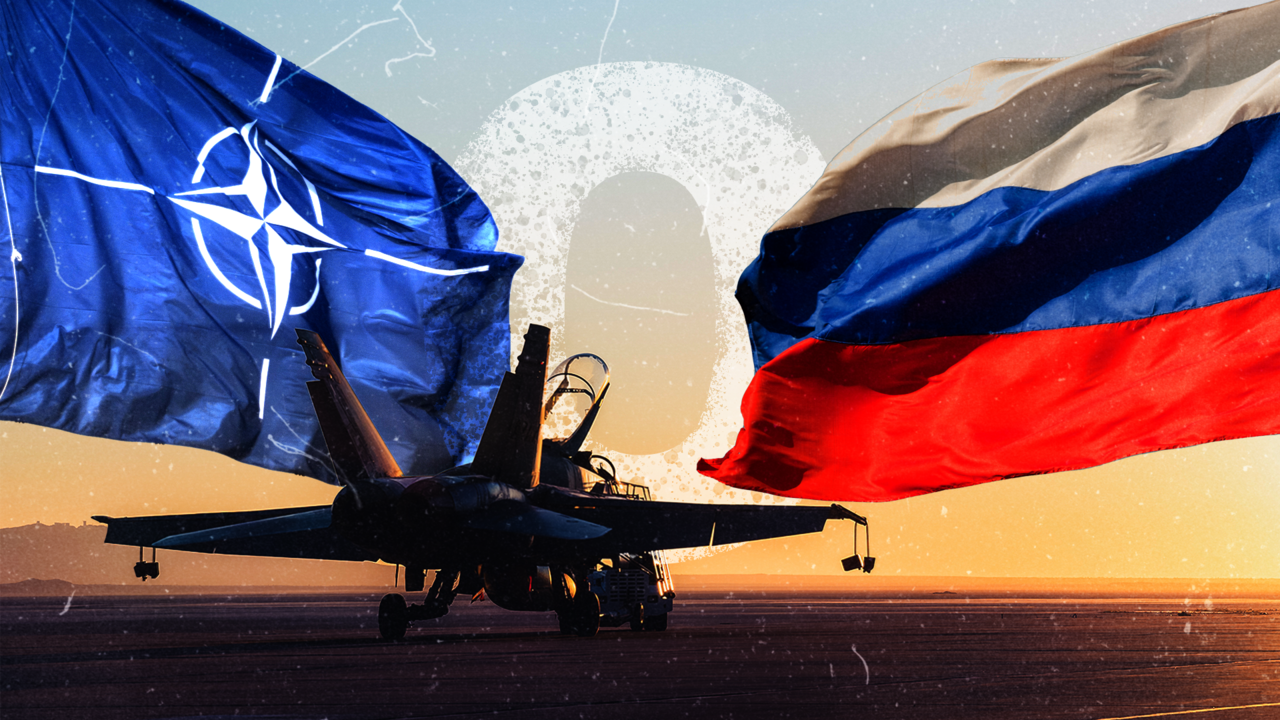
Examples of the declining power of the West can also be seen in NATO’s struggle to deal with the Ukraine war. The US has opted to leave Europe outside as the Trump administration is holding ongoing direct and bilateral talks with Moscow. The future of Ukraine is therefore being carved out between two nuclear powers, the US and Russia, whilst Europe is screaming and kicking in the periphery for attention to have a say in the outcome. What is clear is that President Trump’s focus is on getting Moscow to agree to a truce based on Washington’s appreciation that some lost ground of Ukraine is no longer re-attainable. The White House has the cards, to borrow from Trump himself. Whilst the EU enjoyed a lengthy period of piggybacking on the US, gradually the EU’s influence in the Western alliance waned. The palpable results are now out in the open for all to see.

The Ukraine conflict will ultimately, nay, shortly, be decided primarily by Washington, Moscow and to a lesser but important degree, Kiev.
But it is the rise of the Global South that requires greater attention in 2025. When the US objected to the recent G20’s adopted theme, the rest of the membership accepted it regardless. Of greater significance, though, was the adoption of the meeting’s final declaration, focusing on addressing global inequality, solidarity and sustainability “as pillars of inclusive growth”. The US was opposed to the declaration.
The fact that among members of the G20 is a plethora of traditional allies of the US is telling. These include the UK, France, Australia, Canada, Japan, South Korea, the EU and Germany, among others. Clearly, the tables have turned, and more shenanigans are unfolding still. The EU has turned its attention to South Africa and the continent in the wake of the US antagonism. New relations will have to be based on mutual respect, and shared growth, ethos hitherto unknown to Europeans. The voice of the Global South has grown a lot louder in recent times. Europe is waking up to new reality: To be aware of the Ides of March. They are nigh.

As for the Middle East, the capricious region will continue to be an issue likely to trigger global conflict. Again, using its hegemonic power, the US continues to shield Israel against all forms of consequence management. As we speak, The Knesset has just approved erection of a further several thousand illegal settlements in the occupied Palestinian territories in contravention of international law. The plight and future of Gaza is firmly in the hands of Israel with full support of the US. It doesn’t seem to matter much what the region, and the international community, thinks and feel. Hamas has been turned into a license for collective punishment of all Palestinians. The world seems powerless.
Soon, I suspect, it will become much clearer that Palestinians will never achieve statehood. At best, the Palestinians could be accorded a Bantustan, a pseudo-independent enclave similar to Apartheid-era South Africa with absolutely no power and permanently at the mercy of the Jewish state. The future looks oh, bleak, for the Palestinians.

Finally, a trigger of a broader regional conflict in Latin America will be America’s continued blockade of Venezuela and the attacks on their fleet in the sea on the pretext that they are transporting drugs for President Nicolas Maduro or shipping oil in contravention of US sanctions. We may mark the arrival of 2026 with the ground invasion of Venezuela by the US, or regime change “by any means necessary”, to borrow from Malcolm X.
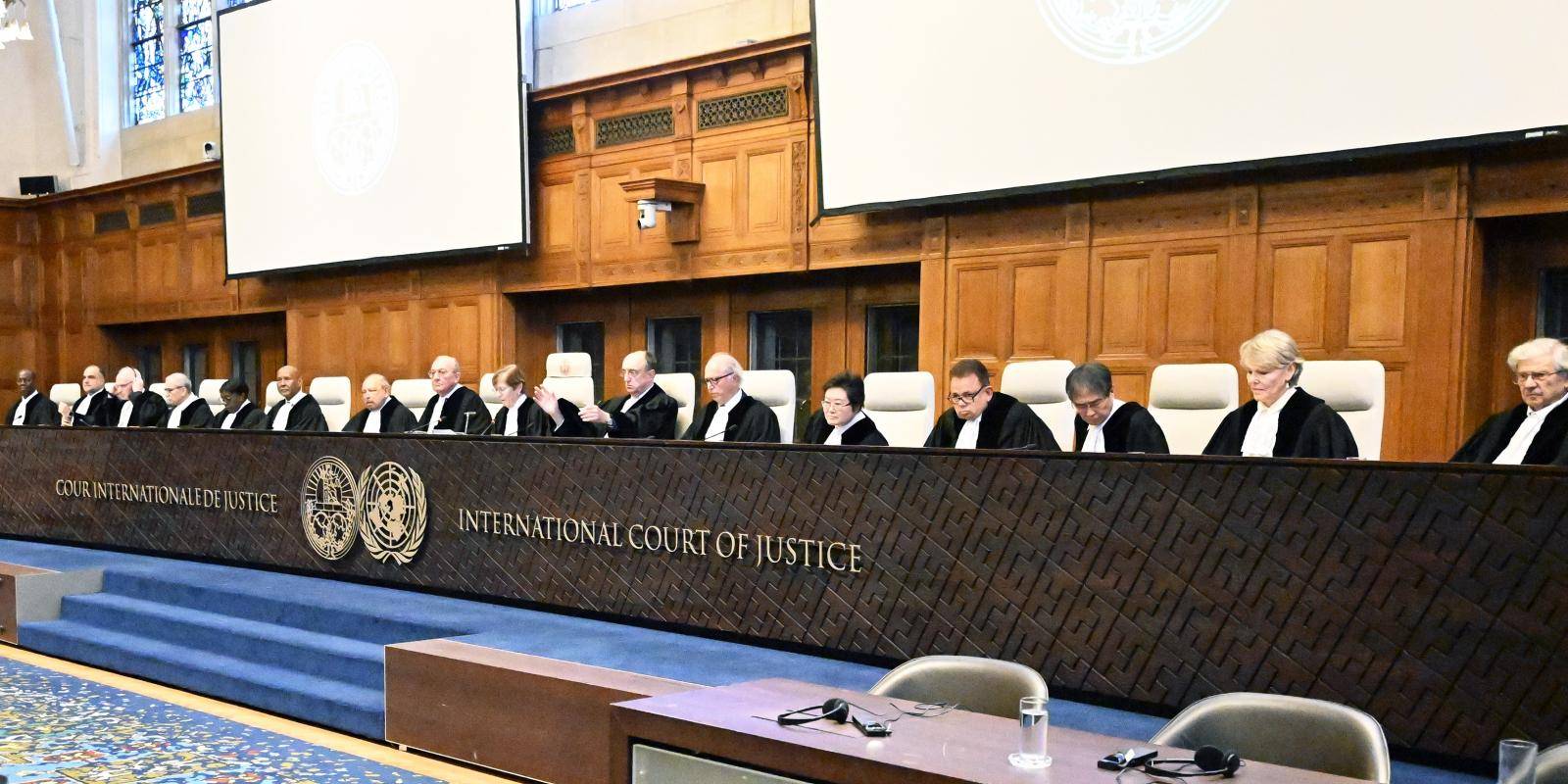
The biggest tragedy of our time is the decline in the credibility of the international governance system and the dwindling power of the UN. Lack of reforms in the UN Security Council has also ensured the continuation of the abuse of veto power, as the US has demonstrated by blocking several resolutions aimed at censuring Israel against genocide and other excesses.

Finally, in a world order that is characterised by the Big Man syndrome, weaker nations will continue to rally around the catalyst that is BRICS and China through poverty alleviation programs such as the Belt and Road Initiative. In Africa, the implementation of the African Continental Free Trade Area (AfCFTA) will assist economic hardships by boosting job creation, eliminate tariffs, harmonize trade rules and enhance rapid industrialization.
Although the eternal optimist in me says the future looks promising, reality points to a period where things will be worse before they get any better.



One Response
I like it whenever people come together and share ideas.
Great website, keep it up!