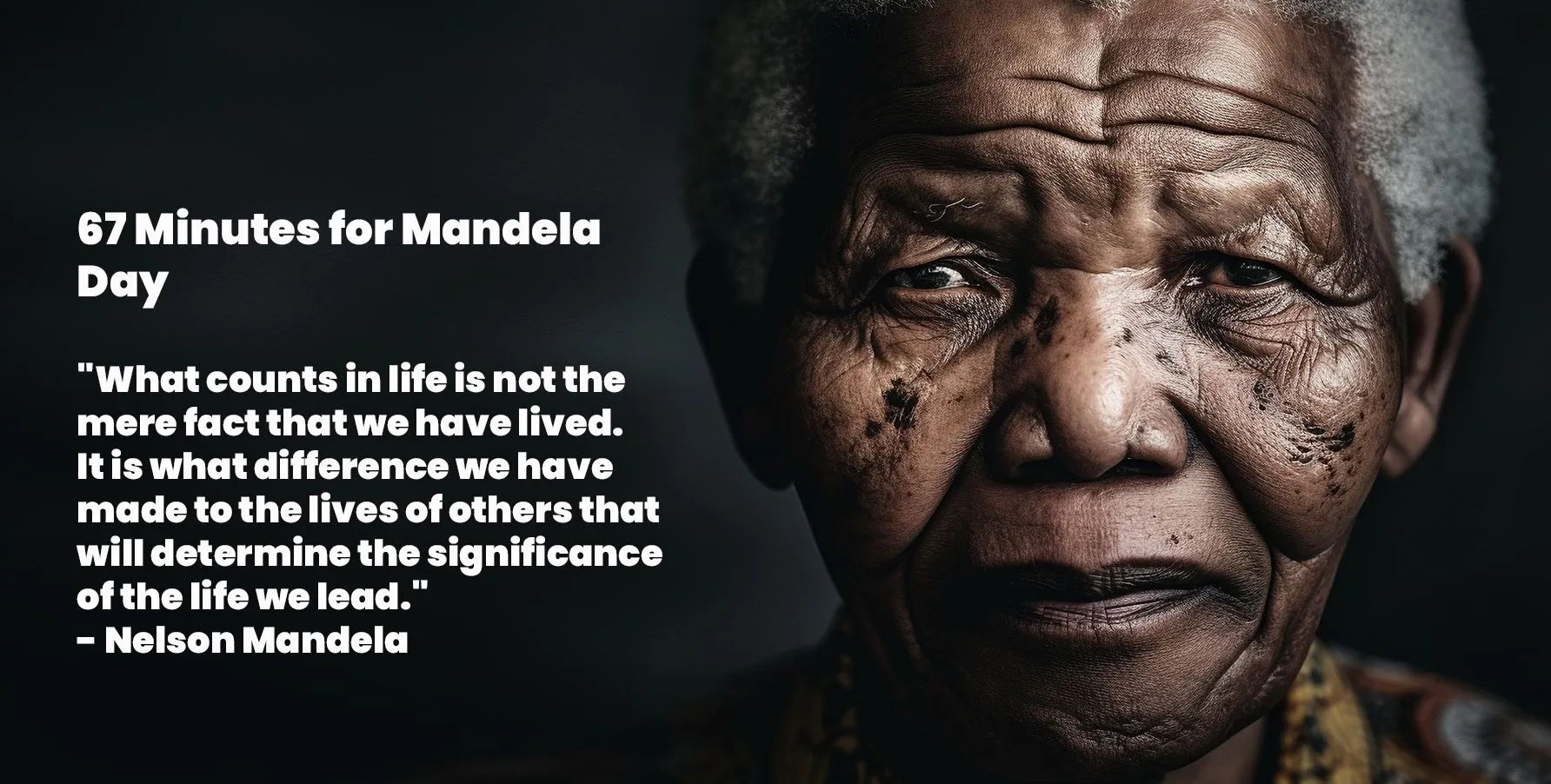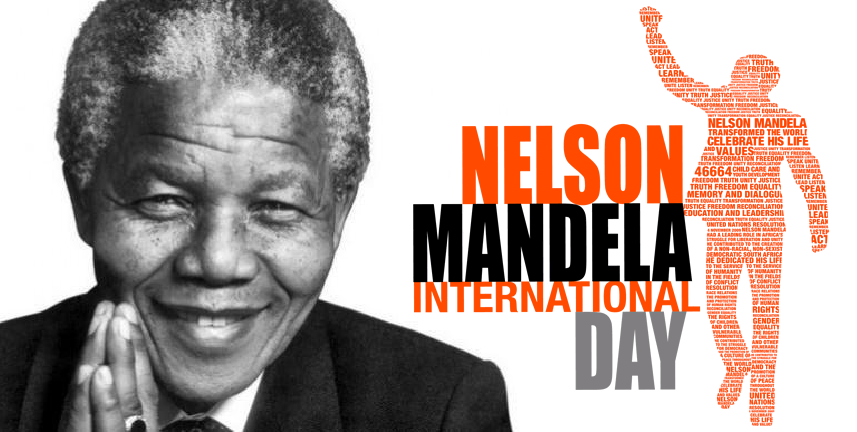
On 18 July every year we pause for 67 minutes.
We serve soup. We paint a wall. We post a selfie. We feel like we honored Madiba.
On 19 July we wake up to the same South Africa: the same broken schools, the same empty fridges, the same potholes, and the same fear.
Citizens are living in fear. Fear of walking to the taxi rank. Fear of opening a spaza. Fear of a hijacking. Fear of the knock at the door from people who were supposed to protect us.
And underneath it all, fear of a state that seems to have given up — because bribery and corruption have eaten the budget that was meant for safety, for jobs, for dignity.
67 minutes cannot touch that.
It is time to extend Nelson Mandela Day from 67 minutes to 67 Days. Not as a PR stunt. As a season of nation-building. 18 July to 23 September. A deliberate time where the state, corporates, and communities come together to tackle the problems across the spectrum: inequality, injustice, racism, unemployment, poverty, hunger, failing schools and libraries — and now, directly: crime and corruption.
THE MIRAGE OF 67 MINUTES
The current “parachute approach” is not working.
We parachute in, cut a ribbon, pose for selfies, and leave. The classroom gets paint but no security gate. The clinic gets volunteers but no medicine. The community gets a speech but no police that actually respond.
This promotes a mirage: that we care. But it leaves citizens feeling more hopeless, because the problems are too big for one morning.
Mandela did not fight apartheid in 67 minutes. He fought it for 67 years. If we are serious about honoring him, we must match duration with depth.
WHAT 67 DAYS WOULD LOOK LIKE: 7 PILLARS
Imagine 67 days of coordinated action. Not random acts. A campaign.
Poverty, Inequality and Hunger
Every ward identifies its most vulnerable households. For 67 days, DSD, NGOs and churches do door-to-door registration for grants, food gardens, and skills. Corporates fund assets, not handouts: a bakery, a hydroponics tunnel, a sewing coop. So that on day 68 people are not hungry again.
Education, Libraries and Facilities
DBE, municipalities and private sector spend 67 days fixing what matters. Toilets that work. Roofs that don’t leak. Libraries with books and WiFi. This is not painting. This is infrastructure. Learners can’t learn in fear or in filth.
Jobs and Unemployment
67 days of mass registration for jobs, apprenticeships, EPWP. But also 67 days of SMME support: help with compliance, markets, and funding. Because idle youth and empty pockets are the breeding ground for crime.
Racism, Nation Building and Social Cohesion
Facilitated dialogues in schools, churches, and halls. About tribalism, race, about land, about who gets tenders. Led by SAHRC and traditional leaders. We cannot heal a country that refuses to talk.
CRIME — TAKING BACK THE STREETS
This is where the 67 Days must be boldest, because citizens are living in fear. Every home has become a prison of fear and insecurity.
For 67 days:
- Visible policing blitzes in hotspot areas, but done with community patrollers, not against them. Joint operations, with oversight.
- Fix the basics: Streetlights repaired. CCTV installed in taxi ranks and schools. SAPS stations audited for dockets that “go missing.”
- Victim support centers opened in every municipality for 67 days, to clear the backlog of GBV and domestic violence cases.
- Youth crime prevention: Sports, arts, and jobs programs running every afternoon so that the streets at 4pm are not recruitment grounds for gangs.
- Anti-xenophobia dialogues in communities where tensions are high. Define the problem, diagnose it, and come with implementation plans with the community. You cannot police your way out of frustration.
The goal is not to “solve crime” in 67 days. The goal is to show that the state can show up consistently, so that fear begins to lift.
CORRUPTION — CLEANING THE HOUSE
Corruption is why we have no lights, no jobs, and no safety. It must be treated as a Day 1 priority.
For 67 days:
- Municipal clean-ups: Treasury, AG, and community auditors sit in every municipality for 67 days. Go through tenders, ghost workers, and unfinished projects. Publish the findings on day 67.
- Whistleblower protection drives. Legal aid and safe channels in every district.
- Corporate integrity pledges. Companies that do business with the state must open their books for 67 days and commit to zero tolerance. No more “tenderpreneurs.”
- Case backlog blitz: NPA and SIU prioritize 100 high-profile corruption cases to move in 67 days. Show people consequences. Corruption steals the money for policing. It steals the money for schools. You cannot fight crime if you do not fight corruption.
- Health: 67 days of screening, prostate checkups, cancer screenings, food security audits, and school feeding checks. A healthy, fed population is less vulnerable to crime and exploitation.
WHO DOES WHAT
The State leads coordination. Imagine Home Affairs, SAPS, DSD, Labour and the municipality in one hall for 67 days. One-stop service. That alone restores faith.
Corporates stop scattered CSI. Adopt one pillar for 67 days. Bank funds SMMEs. Security company funds cameras and training. Retailer funds food security. And report real numbers on day 67.
Communities lead. Ward committees, faith groups, street committees, and immigrant associations sit at the same table. Because the people who live the problem must design the solution.
Active Citizens sign up for a 67-day project and finish it. That builds trust and muscle.
WHY DURATION MATTERS: FROM EVENT TO SEASON
Crime and corruption were not built in a day. They will not be undone in a day.
67 days creates rhythm: Week 1 diagnose, Week 3 pilot, Week 6 adjust, Week 9 hand over.
It allows relationships to form. The police captain, the pastor, the spaza owner, the school principal. When you work together for 67 days, you stop being “them” and start being “us.”
It also gives space to deal with hard things like the current anti-immigrant atmosphere. Use the 67 days to bring communities together. Define the problem: Is it jobs? Is it government failure? Is it criminal syndicates? Diagnose it with data. Then implement: joint economic projects, joint safety patrols that are legal, joint messaging that rejects violence.
THE OBJECTIONS
“Government is too broken.”
Then let 67 days expose exactly where it is broken so we can fix it. 67 minutes hides it.
“This will cost too much.”
We are already paying the cost of crime and corruption. This consolidates CSI and government budgets into one focused push.
“People will get tired.”
Some will. But many will stay when they see a streetlight that stays on, a docket that moves, a tender that is clean.
WHAT MADIBA WOULD HAVE WANTED
Madiba did not believe in gestures. He believed in institutions and in people taking responsibility.
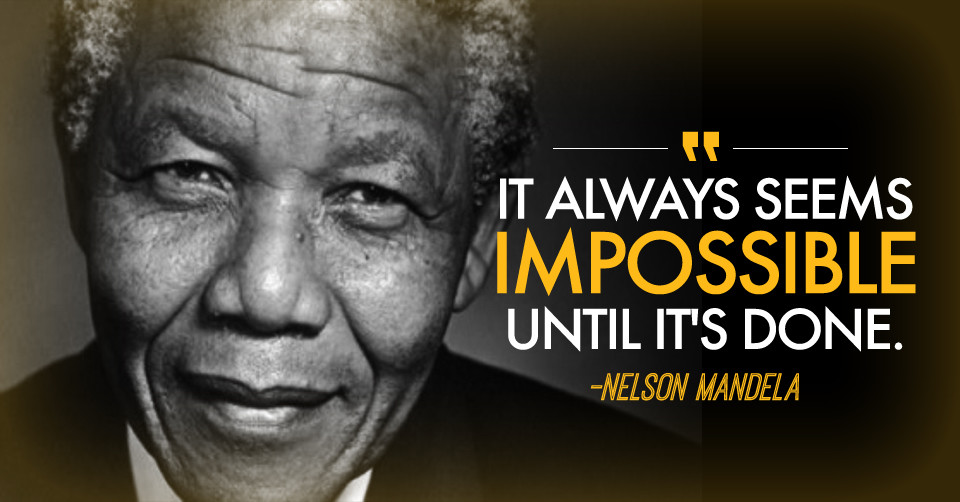
“What counts in life is not the mere fact that we have lived. It is what difference we have made to the lives of others.”
Difference takes time. And right now, the difference people need most is to feel safe in their own country. To trust that their money will not be stolen. To believe that their children can walk to school.
FROM A DAY TO A DEMONSTRATION
South Africa does not need more awareness. We are aware. We are afraid.
What we need is 67 days to prove that another way is possible.
Let 18 July be the launch. If not this year, 2027 will do. It gives us enough time.
Let 23 September be Audit Day: What crime stats moved? What corrupt contracts were cancelled? What schools were fixed? What jobs were created?
And let the year after be built on that foundation.
Extending Nelson Mandela Day to 67 Days is a declaration: We will not just talk about the country we want for 67 minutes. We will rebuild it for 67 days.
Because active citizens should do not live in fear.
And because Madiba’s legacy deserves more than a mirage. It deserves a season.