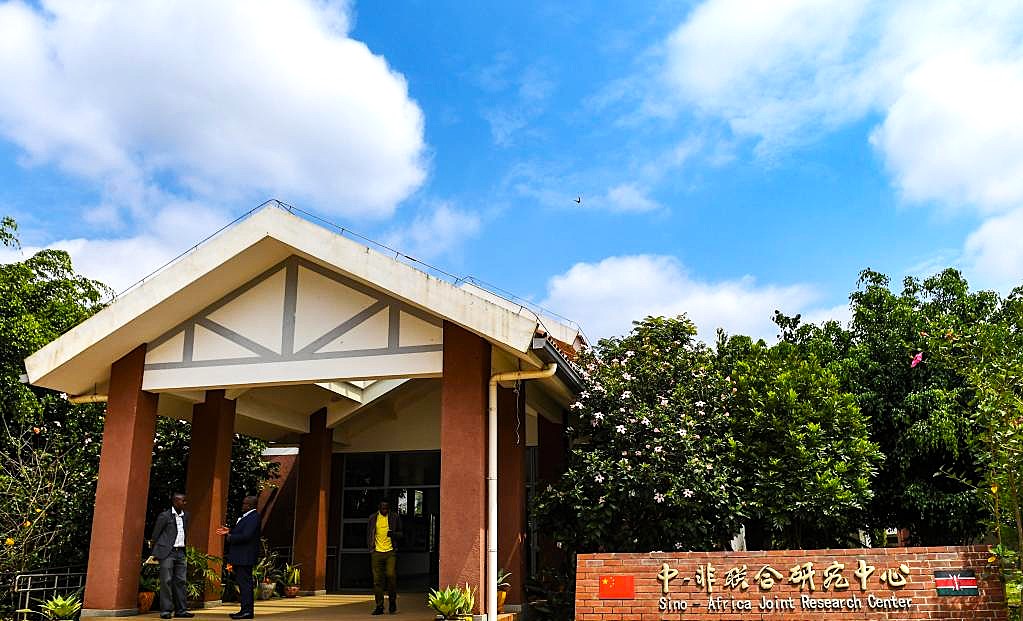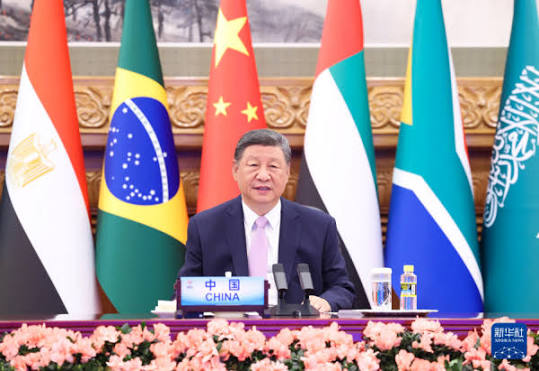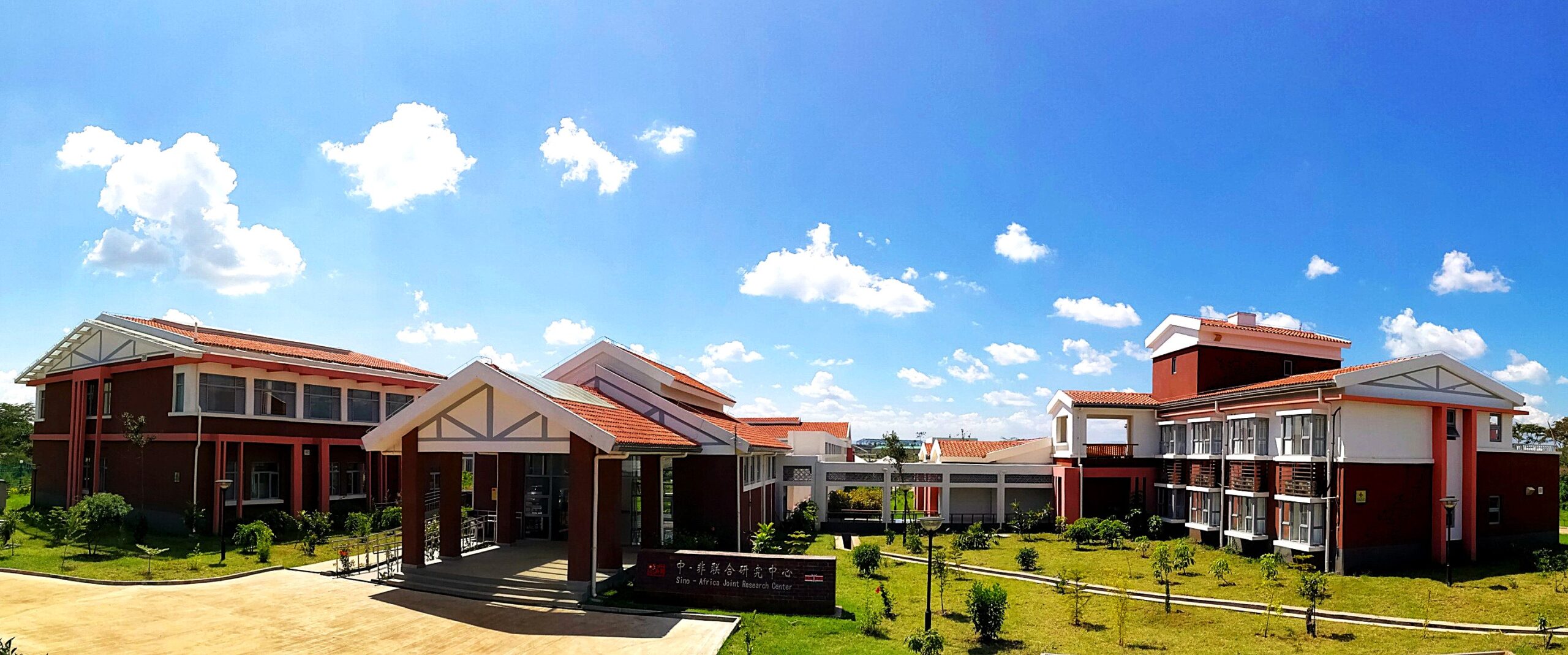
As implementation partners, the National School of Government and the University of Johannesburg have on the 22nd of July 2026 launched the China–Africa Joint Research Centre which seeks to represent more than the establishment of another academic institution. But it reflects a broader shift in international relations where knowledge, research and innovation have become strategic instruments of diplomacy, development and global influence. And it is also a direct manifestation of the Forum on China–Africa Cooperation (FOCAC) Beijing Summit in 2024.
For decades, cooperation between Africa and China has largely been defined by infrastructure development, trade, investment and financing. Railways, roads, ports and industrial parks have become visible symbols of the partnership.
Increasingly, however, the relationship is evolving into one centred on knowledge production, scientific cooperation and policy innovation.
The establishment of joint research institutions demonstrates that both sides recognise sustainable development cannot rely solely on financial investment; it must also be supported by evidence-based policymaking and locally generated knowledge.
This evolution is particularly significant at a time when global governance is undergoing profound transformation. Climate change, artificial intelligence, public health, food security and economic inequality are challenges that transcend national borders. No country possesses all the answers.
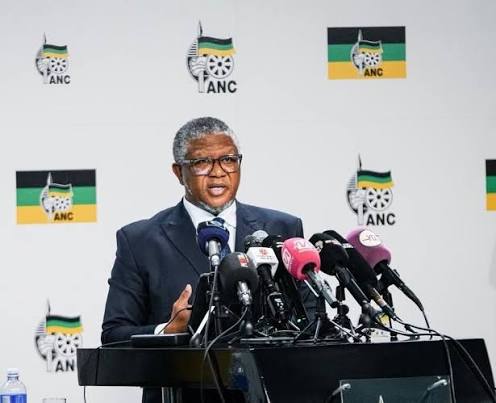
As Minister Inkosi Mzamo Buthelezi observed during the launch, today’s complex challenges require collective action and people-centred solutions. His remarks reflect an increasingly accepted principle in international relations: effective governance in the twenty-first century depends on collaboration rather than competition.
The China–Africa Joint Research Centre therefore represents an investment in what scholars often describe as knowledge diplomacy. Unlike traditional diplomacy, which focuses primarily on political negotiations, knowledge diplomacy promotes cooperation through research, higher education, innovation and intellectual exchange. It creates opportunities for governments, universities and policy institutions to jointly generate solutions to shared challenges while strengthening mutual understanding.
This approach is particularly relevant for Africa. Despite being home to one of the world’s youngest populations, the continent continues to face significant gaps in research funding, technological capacity and policy implementation. Strengthening research collaboration with international partners can help bridge these gaps by facilitating skills development, technology transfer and the co-creation of solutions tailored to African realities.
Equally important is the emphasis on evidence-based policymaking. Public policy that is informed by rigorous research is generally more effective, responsive and sustainable than policy developed in isolation from empirical evidence. As governments confront increasingly complex policy environments, the integration of academic research into decision-making processes will become even more essential.
China’s growing investment in research cooperation with Africa also reflects the changing nature of South–South cooperation. Rather than limiting engagement to economic assistance, partnerships are increasingly focusing on building long-term institutional capacity. This includes supporting universities, research centres, innovation ecosystems and professional exchanges that contribute to sustainable development objectives.
From an international relations perspective, this signals an important shift in how influence is exercised globally. Power is no longer measured solely through military capabilities or economic strength. Countries are increasingly investing in what Joseph Nye describes as “soft power”—the ability to shape preferences and build partnerships through attraction, education, culture and knowledge exchange. Research collaboration has become one of the most effective expressions of this modern form of diplomacy.
The launch of the China–Africa Joint Research Centre therefore deserves attention not only from academics but also from policymakers, diplomats and young researchers across the continent. It illustrates how scientific cooperation can strengthen state capability, improve governance and contribute to Africa’s long-term development aspirations.
For young scholars and practitioners of international relations, the message is equally important. The future of diplomacy will increasingly be shaped not only in foreign ministries but also in research institutions, universities and innovation hubs where ideas are generated, tested and translated into public policy.
As Africa seeks greater agency within an evolving international system, institutions that facilitate collaborative research and policy dialogue will become indispensable. The China–Africa Joint Research Centre represents one such institution—one that has the potential to deepen bilateral cooperation while contributing to a more knowledge-driven, innovative and inclusive model of global development.