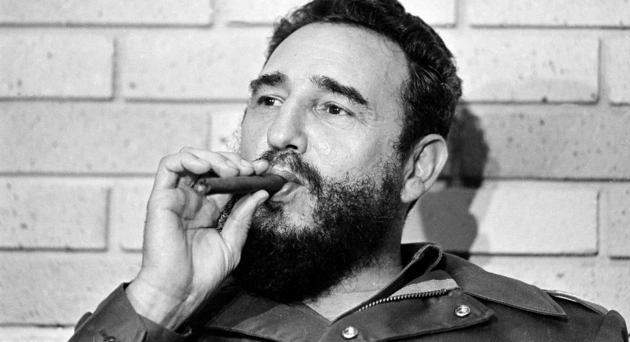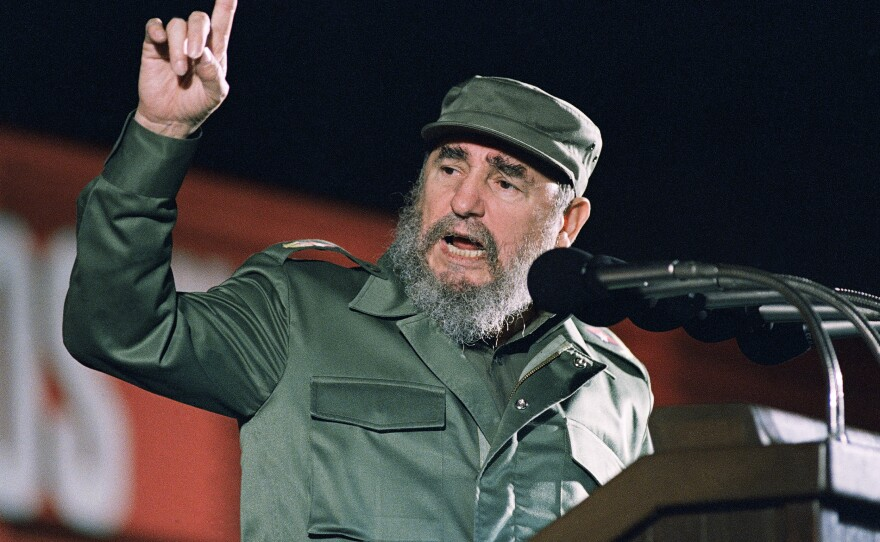
“It is an honour to convey this message of friendship and solidarity as we gather to mark the centenary of the birth of Comrade Fidel Castro Ruz and to participate in reflections under the fitting theme “Fidel: Legacy and Future.”
One hundred years after his birth on 13 August 1926, Fidel’s life continues to pose searching questions to our own time. He belongs not only to history. He belongs to that rare category of historical figures whose lives become questions addressed to the future.
Perhaps we should begin with the deeper historical context that formed the ground upon which Fidel stood, for his century cannot be understood apart from the long chain of resistance that preceded and prepared it.
Cuba’s modern history is inseparable from the colonial foundation laid between the sixteenth and nineteenth centuries. Spanish colonisers brought hundreds of thousands of enslaved Africans to the island to labour on the sugar plantations that enriched the empire.
Enslaved women faced a uniquely brutal division of expectations. They were forced into intense field labour while simultaneously being exploited for domestic work and for reproductive labour that would produce new generations of enslaved workers.
This system established a rigid caste hierarchy in which white European elites held absolute power and Afro-Cubans were legally and socially subjugated. Yet from within that oppression grew seeds of rebellion. Enslaved women resisted through sabotage of machinery, poisoning of masters, flight, and the careful preservation of African cultural traditions that later fuelled independence movements.
Out of this crucible rose a figure whose life anticipates, in its ethics of sacrifice and unbroken resolve, the very qualities that would define Fidel’s century of leadership. Mariana Grajales Cuello (1808–1893), the Afro-Cuban patriot, strategist and fierce abolitionist known as the “Mother of the Homeland” embodied a form of revolutionary motherhood that refused the safety of private life when the nation itself was in chains.
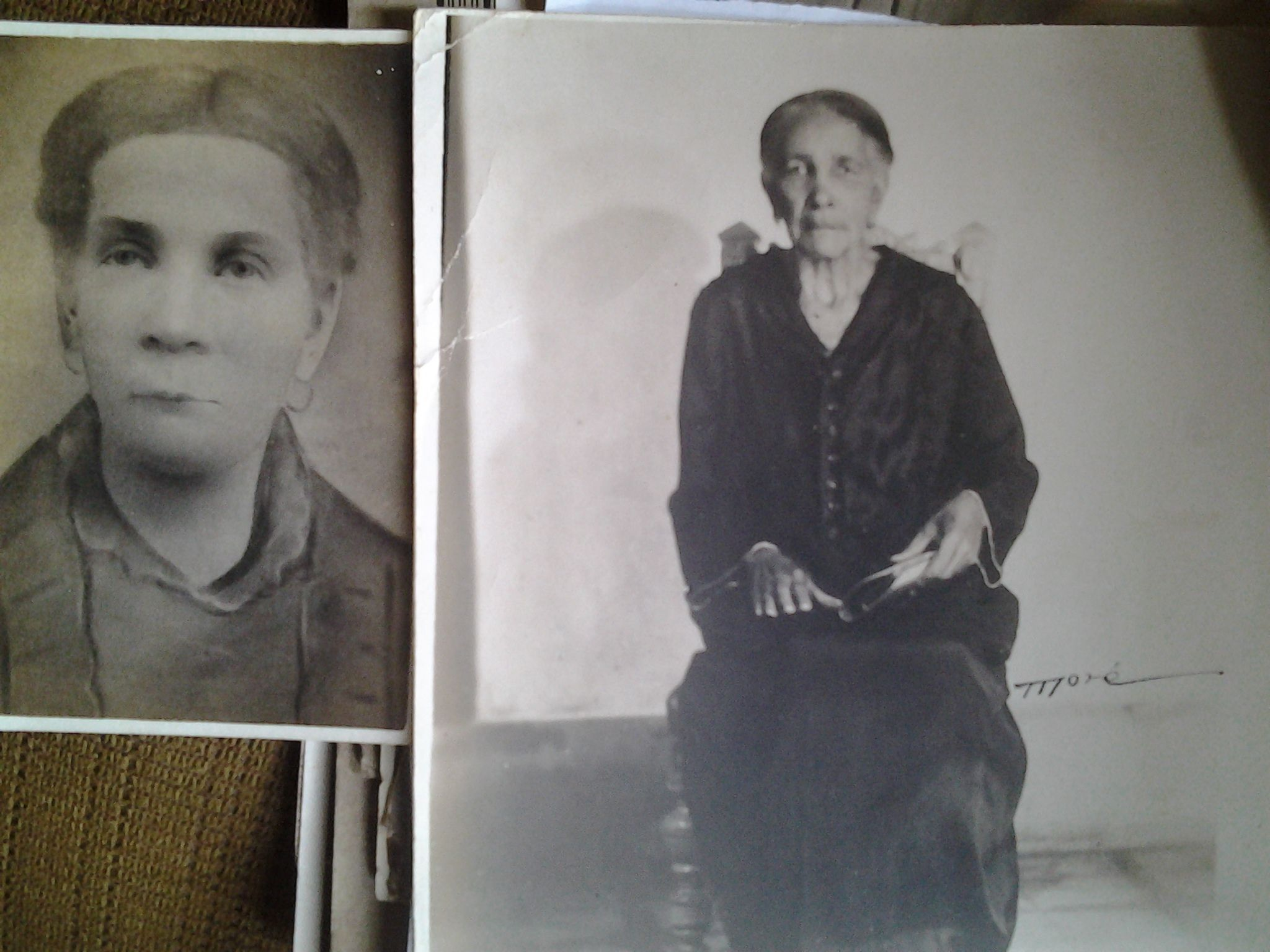
José Martí recognised in her unmatched dignity a foundational “mystery” that breathed life into the independence movement. Her example was not merely biographical; it was formative for the moral architecture of Cuban resistance—the same architecture Fidel would later inhabit, deepen and internationalise.
Mariana’s life thus prefigures the method and the ethic that Fidel would later raise to a principle of state and of international solidarity: the refusal of private comfort when the people suffer; the insistence that the struggle is collective and continuous; the understanding that sovereignty is paid for in sacrifice across generations; and the conviction that the oppressed, including women and the descendants of the enslaved, are not passive victims but authors of their own history.
In her, the colonial wound and the anti-colonial answer were fused. In Fidel, that same fusion was carried forward into the twentieth and twenty-first centuries, expanded from the national to the continental and global scale.
The wars for independence (1868–1898) therefore stand as the immediate historical soil of the Revolution Fidel led. Antonio Maceo’s dual demand for freedom and equality, Martí’s vision of a republic “with all and for the good of all,” and the frustrating intervention of the United States in 1898—which defeated Spain yet imposed the Platt Amendment and frustrated genuine sovereignty—all formed the unfinished business that the Generation of the Centenary inherited.
The Republican era that followed was marked by corruption, continued United States economic dominance, and racial discrimination. Batista’s 1952 coup cancelled democratic elections and installed a dictatorship aligned with foreign business interests and organised crime, deepening the very inequalities that earlier generations had sought to eradicate.
It was against this long historical backdrop that the Revolutionary War of 1953–1959 unfolded. The attack on the Moncada Barracks on 26 July 1953 inaugurated a new form of struggle. It was inspired by José Martí, on whose birthday centenary Fidel and the Generation of the Centenary stormed the barracks. There could have been no better way to honour Martí and his fellow independence fighters Antonio Maceo and Máximo Gómez. The July 26th Movement was a continuation of the heroic feats of Martí’s Revolutionary Party—and, more deeply, of the unbroken line that ran from the resistance of enslaved women, through Mariana Grajales’s field hospitals and oaths, to the mountains of the Sierra Maestra.
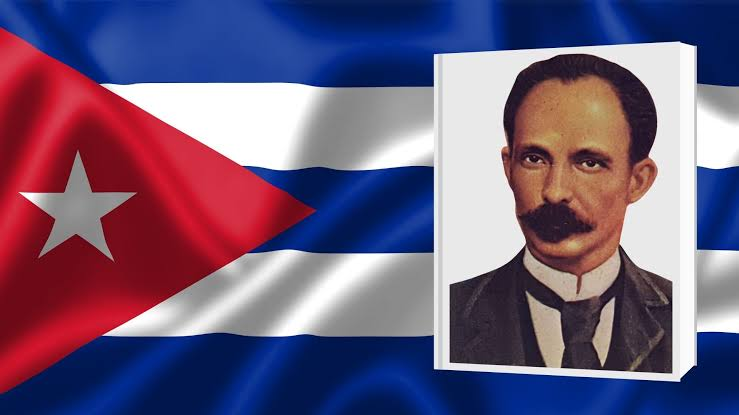
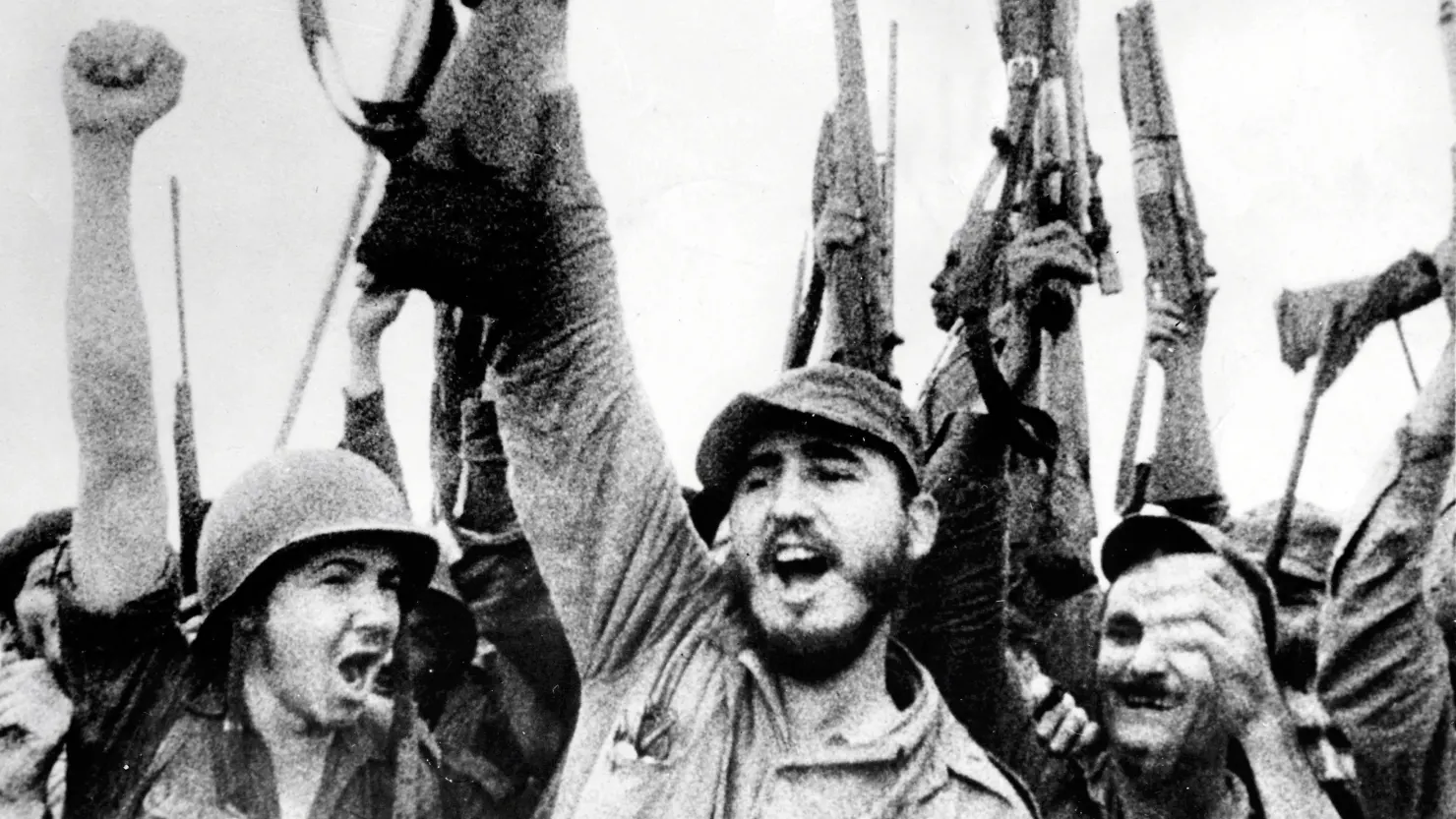
Not deterred by the Moncada setback, Fidel turned the Batista courtroom into another site of struggle. In “History Will Absolve Me” he denounced the ills of Cuban society—poverty, racism, corruption and the mortgaging of independence to external interests—and elaborated a programme whose centre was social justice. In the Sierra Maestra the Rebel Army, sustained by the urban underground and mass organisations, became truly an army of the people.
Fidel remained unflinching in his commitment to the unity of all anti-Batista forces. The triumph of 1 January 1959 inscribed on its banners the Independence Apostle’s injunctions of total independence. The Cuban revolutionary process was the culmination of previous independence struggles—from the slave revolts and the quiet, determined resistance of women such as Mariana Grajales, to Martí’s mambises. Fidel’s Rebel Army consolidated these struggles into one uninterrupted process, giving new impetus to Cuba’s long-held aspiration for freedom.
Honourable Members, as we mark Fidel’s centenary it is proper that we locate him within this broad nationalist fervour that is ingrained in the Cuban character. Yet it was never a nationalism that was inward-looking or chauvinist. From the very start Fidel defined Cuban identity as inextricably linked to the struggles of the peoples of Latin America, Africa and Asia for self-determination.
From a young age he was, while born into a well-off, landowning family, and having attended elite Catholic Schools, being a law graduate, he could identify with the historical injustices that confronted his people.
During his early years, he joined a student organization committed to opposing political corruption, volunteering for an armed expedition against the Trujillo Dictatorship in the Dominican Republic. As a student leader, he traveled to Venezuela, Panama, and Colombia to assist in organizing a Latin American anti-imperialist congress. His academic life was devoted to challenging what is commonly known as the Monroe Doctrine—the foundational principle of U.S. dominance in the Western Hemisphere.
As he often said, the most important thing for him was his political training and developing a revolutionary consciousness. In this pursuit he strongly supported Jose Marti and his thinking, reading virtually everything there was to read on the wars of independence and becoming acquainted with economic concepts and the absurdities of capitalism.
As Cuban intellectual Cinto Vitier wrote in “Absolved by History”:
“After numerous tests, the conjunction he has always sought between analysis and action, intransigence and lucidity, reaching the boundary of the real possibilities of objective and subjective factors in a battle against such a disproportionate enemy, has brought him to a kind of balance in which foresight and rebelliousness are equivalent.”
[Image: Universal Images Group | Getty Images]
At the heart of his political philosophy stood a radical, principled internationalism. He rejected the idea that the destinies of nations could be sealed by the powerful or by geography. Solidarity was not charity, nor was it a diplomatic convenience. It was a moral and strategic duty: the concrete expression of the conviction that the freedom of one people is incomplete while another remains oppressed. “To be an internationalist,” he insisted, “is to settle our own debt to humanity.”
Indeed, return to the colonial history of the Cuban Revolution and the journey of the African slave, we can bear a reckoning with history that Fidel himself said:
“Those who once enslaved man and sent him to the Americas perhaps never imagined that one of those peoples who received the slaves would one day send their fighters to struggle for the freedom of Africa.”
Honourable Members, Cuba, under Fidel, never shied away from the struggles of African peoples against colonial domination. This small island nation, poor as it was and with the revolution still consolidating, extended internationalist solidarity not only from the safe rostrums of the United Nations, but in the forefront of material assistance to our liberation movements and in defence of our sovereignty when threatened by external forces and their internal surrogates.
The parallels with our own South African revolution run deep and illuminating. Just as Fidel transformed the courtroom after Moncada into a platform of principle with “History Will Absolve Me”, so Nelson Mandela, a decade later, turned the dock of the Rivonia Trial into a moral tribunal of history. In 1964 Mandela and his comrades faced the possibility of the gallows.
From that dock he declared that he had fought against white domination and against Black domination, and that the ideal of a free and democratic society was one for which, if needs be, he was prepared to die.
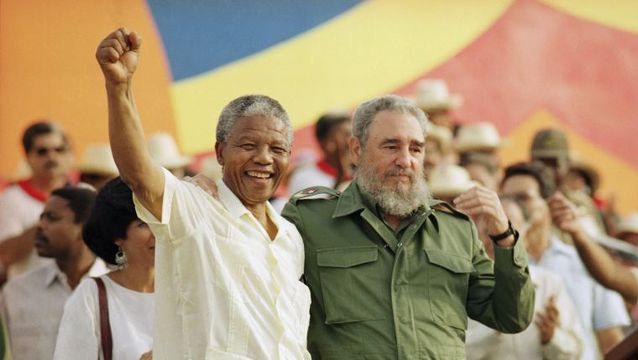
Both men refused the safety of silence; both insisted that the court of history, not the court of the oppressor, would deliver the final verdict. Both understood that the seizure of political power was inseparable from the transformation of consciousness and the mobilisation of the people.
Even earlier, the threads of solidarity had begun to intertwine. In 1962 Mandela travelled through Africa seeking support for the newly formed Umkhonto we Sizwe. Dar es Salaam, then the vital hub of southern African liberation movements, became a crucial station. There the ANC established offices; there African leaders and militants congregated.
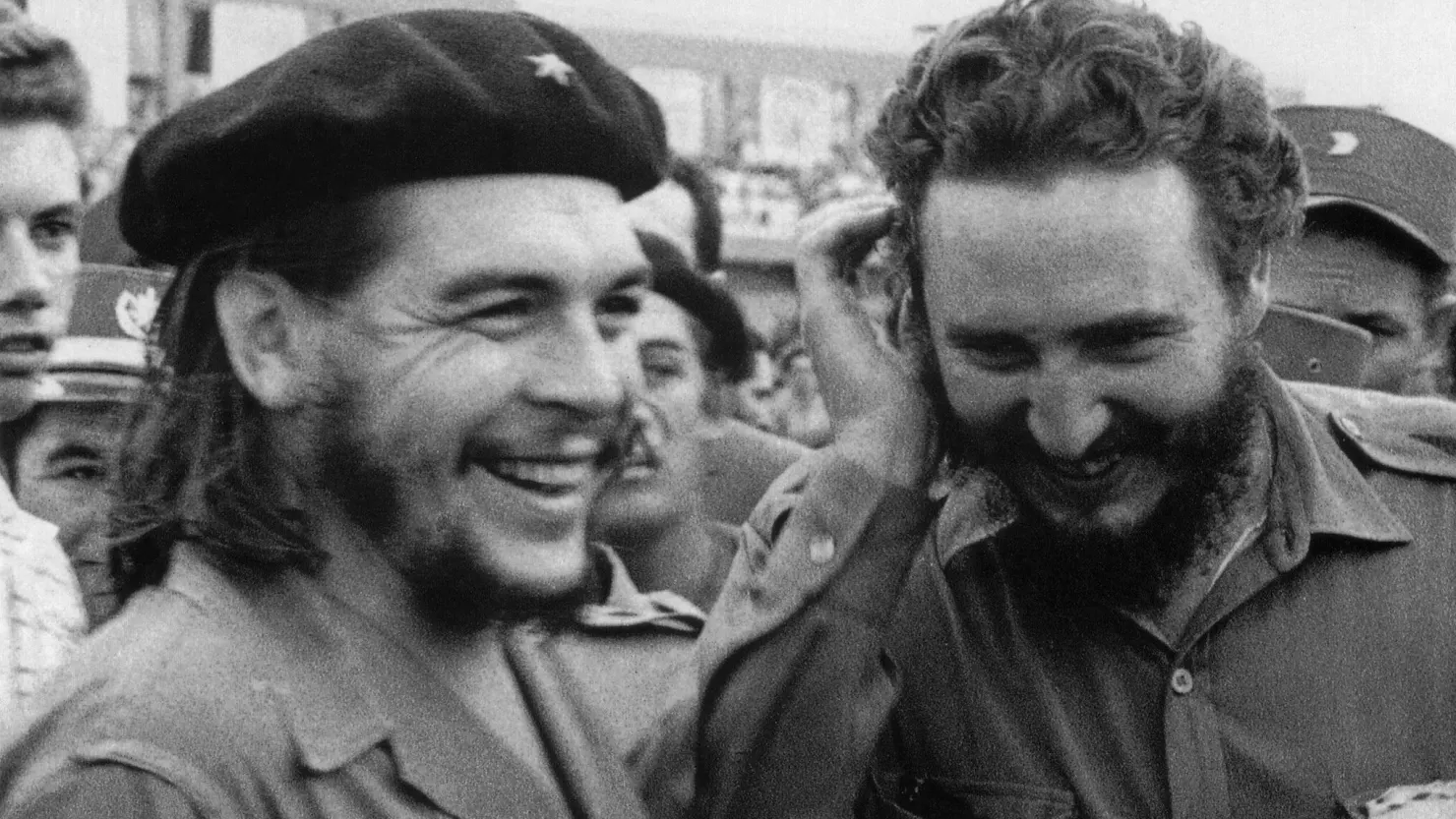
Three years later, in 1965, Ernesto Che Guevara—acting under Fidel’s strategic vision—passed through the same city under the codename Tatu before crossing into the Congo. His mission, undertaken in the aftermath of Patrice Lumumba’s assassination, sought to train and fight alongside Congolese forces resisting neo-colonial intervention.
Though the Congo campaign itself did not succeed, Che’s presence in Dar es Salaam and the wider African contacts he forged under Fidel’s direction planted seeds of practical internationalism. Those seeds would later flower in the sustained Cuban support for the MPLA, for SWAPO, and for the ANC cadres trained in Angola. The failure in the Congo did not extinguish the commitment; it refined it. Cuba learned, adapted, and returned with greater force when Angola’s independence was threatened.
[Image: AFP | Getty Images]
In 1975, when Angola’s looming independence was menaced by apartheid South Africa’s military invasion, Cuba did not hesitate. Far across the Atlantic it sent its best sons and daughters and military equipment to stop the racist invaders, making it possible for Angola to declare independence on 11 November 1975.
Operation Carlota was, for Fidel, Cuba paying its debt to the slave sons and daughters of Africa who had fought alongside Martí for Cuba’s own independence—the same historical debt that Mariana Grajales and her generation had already begun to acknowledge through their insistence on racial equality within the independence struggle. Our gratitude for this inestimable act of selflessness is beyond words.
Although by March 1976 the apartheid forces had been driven back, Fidel extended solidarity further: military training for Zimbabwean, SWAPO and ANC freedom fighters who had established bases in Angola. One of Umkhonto we Sizwe’s detachments was named the Moncada Detachment in gratitude to Cuba and in tribute to the martyrs of 1953.
The Battle of Cuito Cuanavale radically shifted the balance of power in Southern Africa. There Cuba destroyed the myth of the invincibility of the apartheid South African Defence Force. That battle precipitated the independence of Namibia and accelerated the collapse of apartheid in South Africa. As Fidel remarked, the history of southern Africa would be divided into the period before Cuito Cuanavale and the period after it.
Consequently, the ANC was unbanned in February 1990 and Nelson Mandela and other political prisoners were freed. By March of that same year the banner of freedom was unfurled in Windhoek. Fidel’s visionary and courageous leadership was integral to these events.
When Mandela, newly released, made one of his first major international journeys to Havana in 1991, he stood before the Cuban people and declared that their internationalists had made a contribution to African independence, freedom and justice unparalleled for its principled and selfless character. He recognised that the defeat at Cuito Cuanavale had been a turning point that strengthened the struggle inside South Africa itself. The personal meeting of the two leaders—Mandela and Fidel—embodied the long arc of solidarity that had stretched from the early contacts in Dar es Salaam and the Congo mission of Che Guevara, through the training camps of Angola, to the final defeat of the apartheid army.
Unlike the external marauders who had come to our shores to colonise our people and extract our mineral resources, the Cubans came to defend us, to help us rebuild, and to train us to fight for our freedom. On leaving our continent, in the words of that foremost Cuban internationalist and friend of our people, Jorge Risquet, they carried not mineral wealth but the bags of departed Cuban internationalist fighters who had fallen in defence of our freedom.
Ladies and Gentlemen, this centenary celebration takes place at a moment of profound global uncertainty. The sovereignty of nations is again being tested by geopolitical rivalry, economic coercion, unilateralism and the enduring temptation of powerful states to determine the political and economic destinies of weaker nations.
Cuba, which has defended its independence through extraordinary adversity, continues to face pressures that seek to narrow the sovereign choices available to its people. For more than six decades the island has confronted an unjust blockade by the United States—a blockade that, far from abating, has been tightened. This remains an existential challenge to the sovereignty of a nation that dared to choose a development path not acceptable to its powerful neighbour.
The question that we need to answer therefore as we celebrate the 100th Anniversary of Fidel Castro’s life is what it is that Cuba must do to survive its continuing existential threat.
For Fidel Castro’s life was, fundamentally, a struggle against domination: the domination of one nation by another, of capital over human need, of racial hierarchy over equality, and of imperial power over the sovereign will of peoples. Imperialism, he understood, is driven by the search for new markets, strategic territories and sources of raw materials, drawing weaker economies into relationships structured for the advantage of stronger powers.
Political sovereignty could never be separated from economic sovereignty. A nation formally free but economically subordinated could never be entirely free. His life became an uncompromising defence of Cuba’s right to exist neither as an appendage nor as a satellite of another power, but as a sovereign nation capable of determining its own path.
Fidel’s own words in this regard remain a haunting reality: Under the present circumstances, it would be very unlikely that the United States’ hostility toward Cuba will decrease.
For Cuba to be left to its sovereignty the United States must, with the passing of time, see how heroic the Cuban people and Fidel Castro were. It must respect Cuban people’s capacity for heroism.
For the rest of us to support Cuba it will depend to a large extent on supporting Cuba’s capacity to confront economic difficulties, and to frustrate the hopes that the Cuban Revolution will eventually collapse. Only then will the United States be able to recognise that Cuba has firmly and courageously upheld its principles and will continue to do so.
In the present circumstances, this remembrance of Fidel cannot become an exercise in nostalgia. To remember Fidel is to confront the unfinished questions of our age.
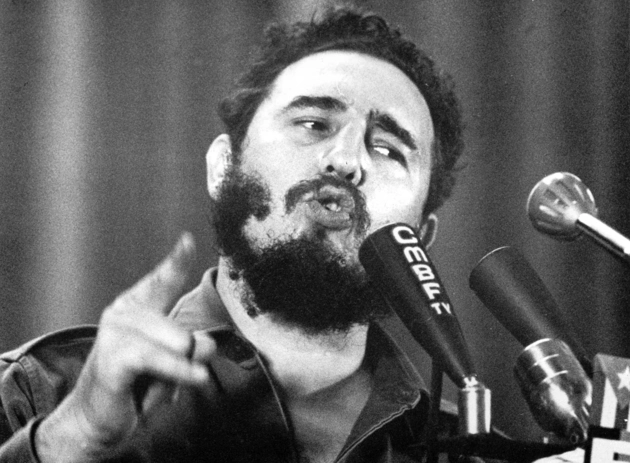
The current threats against Cuba, including this unjust blockade, have no place in international relations.
Cuba is a tiny island in the Caribbean that poses no threat to any country. It cannot be that a nation should be pillorised solely because of its example as a beacon of genuine independence and for asserting its sovereign right to chart its own path of development. The international community must not cease in its efforts to ensure that Cuba lives and is relieved of unprovoked threats. Observance of the principles of international law must apply equally to all nations; none is above the generally accepted principles of state behaviour.
What Castro bequeathed to his people—and to all who draw inspiration from him—is the certainty that dreams are won by defending ideas; internationalism as a defining attitude; socialism understood as a path to save humanity from the abyss; and a method of rigorous diagnosis, programmatic proposals and decisive action that is never imported dogma.
His ethics were defined by adherence to principle by example, intellectual audacity and constant study. To be a revolutionary was more than Marxist adventure or optimism; it was the practical commitment expressed in the concept of the “War of the Entire People” and in internationalist missions that treated the freedom of all peoples as inseparable.
The present challenge before the Cuban people is to preserve and transform the Revolution against intensified blockade and energy and economic crisis. The primary homage to Fidel is not nostalgia but study and emulation of the legacy, continuity and resistance. The centenary is a call to action.
Fidel challenged generations to imagine a world beyond the fatalism that declares inequality permanent, poverty inevitable and imperial domination natural. His conception of revolution was not merely the seizure of political power. It was a transformation of consciousness. It required courage, sacrifice, discipline and an enduring belief that ordinary people possess the capacity to become authors of their own history.
Just as José Martí inspired his generation to revolt against colonial domination, just as Mariana Grajales embodied the quiet, unyielding strength of those who refused to accept that the destiny of the oppressed was fixed, and just as Mandela’s stand at Rivonia and the long South African struggle found concrete reinforcement in Cuban internationalism, so does Fidel inspire many of us to emulate his example. He is a leader whose life gives us a veritable template of what it means to discharge one’s leadership duties without expecting praises or statues, but rather by working for a healthy society and children who do not know hunger.
From the first day of the triumph of the Revolution, Fidel proclaimed that genuine freedom must restore the dignity of the Cuban people and lift them from centuries of exploitation, inequality and the domination of the economy by interests that paid no heed to the socioeconomic development of the island.
He led the campaigns to eliminate illiteracy and to make universal healthcare a right of every Cuban. Generations of Cubans from previously impoverished and diverse backgrounds were guaranteed free quality education, accompanied by falling child mortality rates that compare with, and in certain instances exceed, the best in the Western Hemisphere. Whatever criticisms are levelled against the Cuban model, few deny these remarkable achievements under conditions of sustained external hostility.
We celebrate and mark Fidel’s birthday centenary at a crucial time in the history of the Cuban Revolution, when its very survival confronts yet another critical challenge. This occasion affords those of us who have drawn inspiration from Fidel’s heroic example and rich legacy the opportunity to reflect on his life as a leader in the battle for a better world. It is about reflecting on the ideals that have moved millions across the globe in pursuit of sovereignty, human dignity, social justice, internationalist solidarity, and the unshakable conviction that even a small underdeveloped nation can influence the course of international history and help contribute to establishing a new and just world order founded on the principle of the equal right of all nations to pursue human dignity.
In honouring the legacy of Comrade Fidel Castro, we are called to defend—persistently and without compromise—the ideals of peace, justice, equality, self-determination and freedom, both within our borders and beyond them. In an age of renewed geopolitical rivalry, economic coercion and selective application of international law, Fidel’s insistence that solidarity must be unconditional, consistent and practical remains urgently relevant.
Although Fidel always defined himself as part of the Cuban leadership collective, always subject to accountability by the people and those with whom he worked, we assert that he gave form and content to the Cuban Revolution. It is for future generations to draw inspiration from this remarkable son of the Cuban people—and from the long chain of resistance that stretches from the enslaved women of the colonial plantations, through the field hospitals and oaths of Mariana Grajales, through Antonio Maceo and José Martí, through the Congo mission of Che Guevara and the camps of Angola, through the dock at Rivonia and the streets of Dar es Salaam, to the generation that stormed the Moncada Barracks and the century of struggle that Fidel led and embodied.
At the end of it all, the obligation on our part is to support Cuba’s current struggle for survival, we must do whatever we can lest we become friends only when historically convenient.
Let us try to be friends in need, who are friends indeed. Long may the spirit of Fidel live with us. I thank you for your kind attention.”