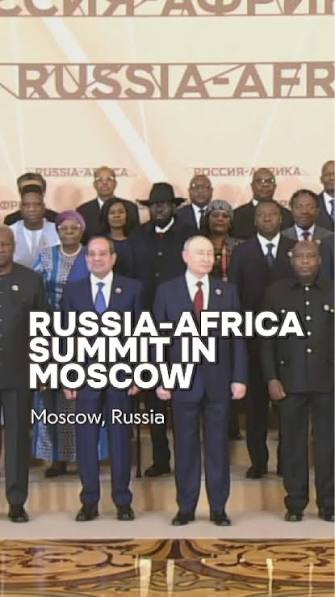
THE WRITER, GSMN EDITOR-IN-CHIEF ABBEY MAKOE, ATTENDED THE RUSSIA-AFRICA SUMMIT IN MOSCOW
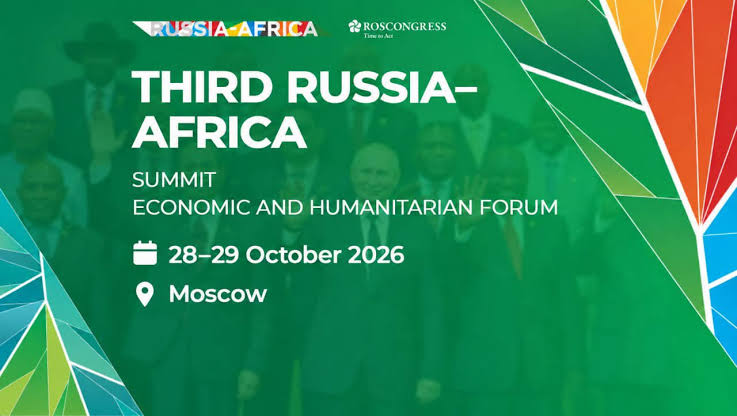
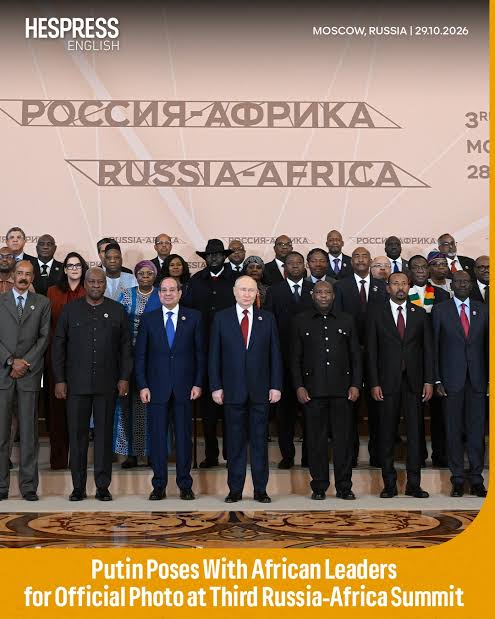
The third Russia–Africa Summit and the Russia–Africa Economic and Humanitarian Forum, which were held on 28–29 October 2026, are drawing to a close in Moscow. The events were attended by more than 3,500 representatives of 74 states. This year’s main theme of the Forum is “Together we develop mutually beneficial cooperation and the potential of every African country”. The business programme was attended by representatives of government bodies, international organizations, and business and expert circles. Russian and foreign business was represented by more than 1,200 participants from around 630 companies. The Roscongress Foundation was the operator of the Economic and Humanitarian Forum.
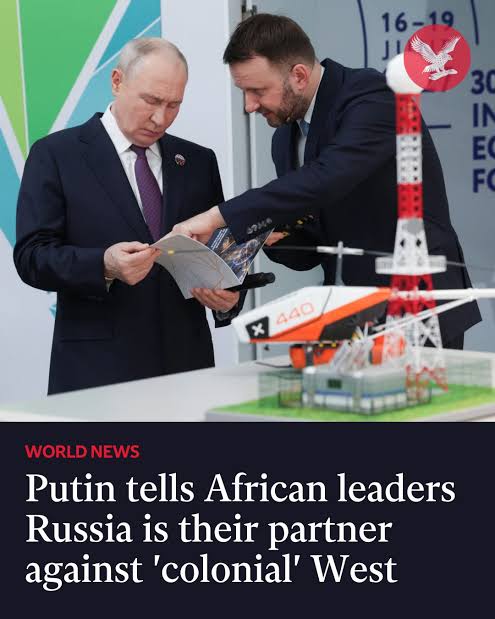
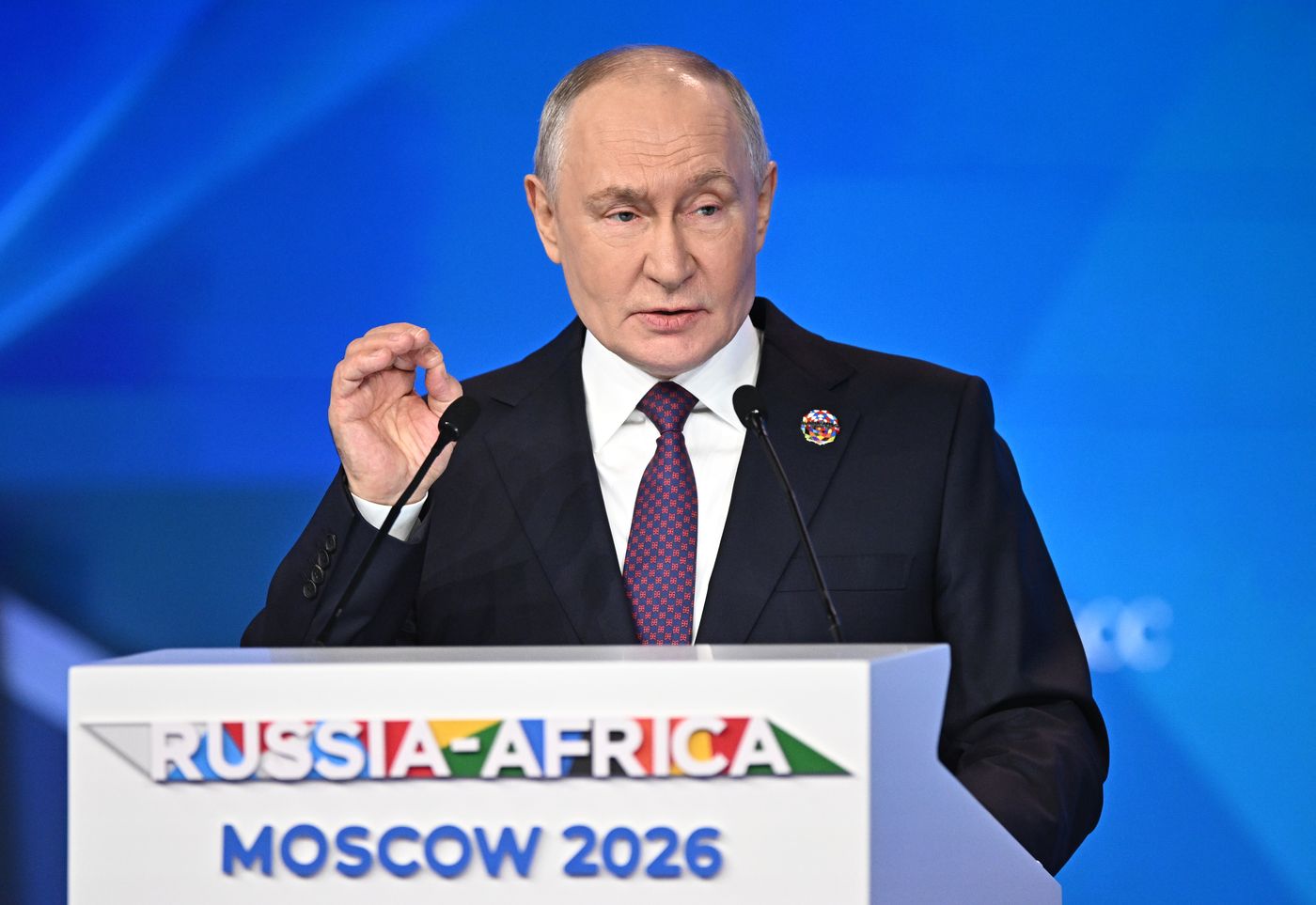
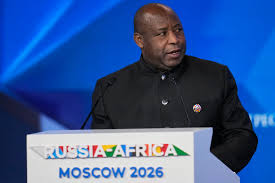
The central event was the plenary session of the third Russia–Africa Economic and Humanitarian Forum, attended by Vladimir Putin, President of the Russian Federation, and Evariste Ndayishimiye, Chairperson of the African Union and President of the Republic of Burundi. The plenary session discussed prospects for expanding trade and economic interaction, implementing joint investment projects and strengthening humanitarian ties.
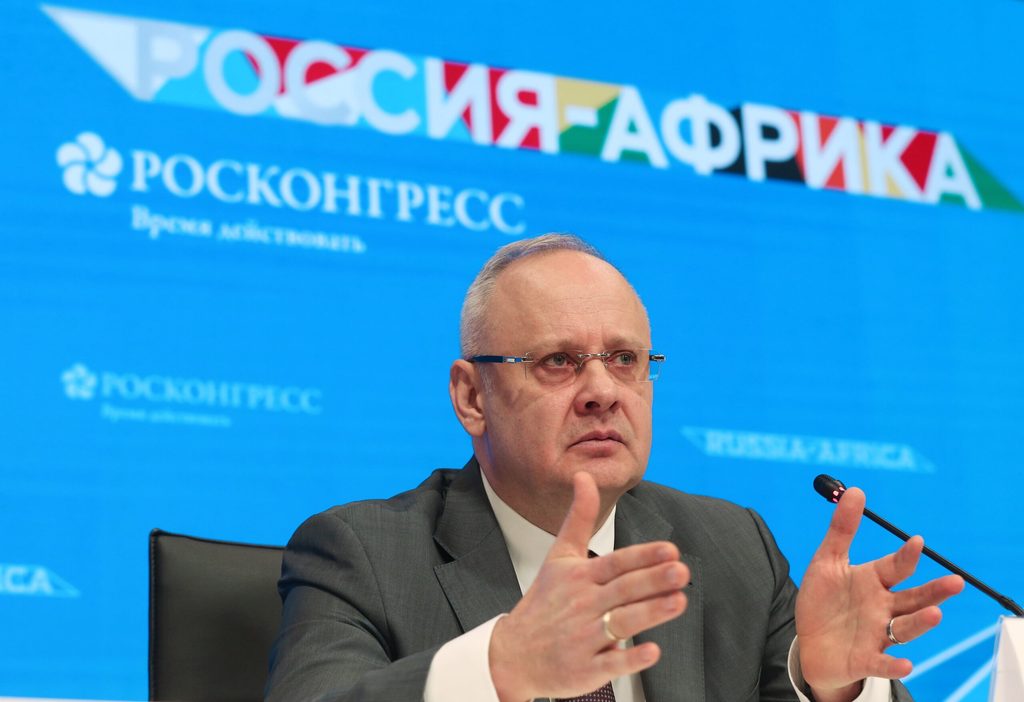
At a briefing on the results of the business programme of the Russia–Africa Economic and Humanitarian Forum, Anton Kobyakov, Adviser to the President of the Russian Federation and Executive Secretary of the Organizing Committee for the Preparation and Holding of the Third Russia–Africa Summit and Russia–Africa Events, noted the interest of partners from African countries in developing substantive cooperation with Russia. “If we compare the results of the three summits, the current one can be called the most productive in terms of the transition to the practical implementation of joint initiatives. The agreements signed testify to the parties’ readiness to develop specific projects. Today African states are interested in technology transfer, industrial cooperation, the development of energy and transport infrastructure, and the training of national personnel. Russian business, including small and medium-sized enterprises, has serious potential to expand its presence in the African market. We will continue this work, including at the anniversary 30th St. Petersburg International Economic Forum in 2027,” Anton Kobyakov noted.
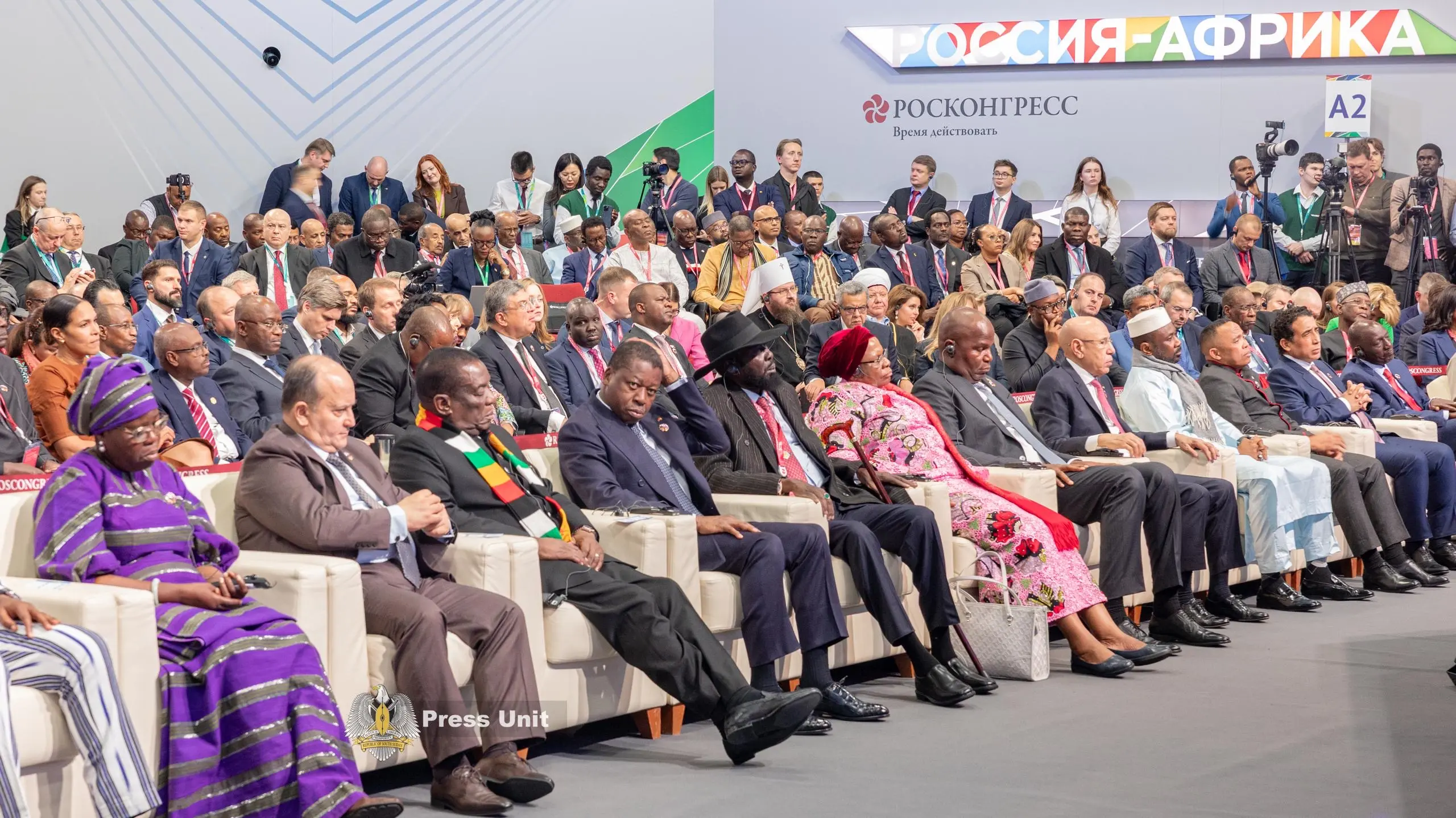
The programme of the Russia–Africa Economic and Humanitarian Forum included more than 40 thematic sessions and panel discussions in the following tracks: “Sovereignty: The Foundation of Sustainable Development”, “The Economy of a Sovereign World Order”, “Cooperation in Society and Human Capital”, and “Technology and Innovation for a Better Quality of Life”.
The Forum also hosted the Russia–Africa Media Forum with the participation of heads of African media. The topics of the sessions included strategies for the broad dissemination of narratives and methods of countering attempts by unfriendly countries to influence the domestic policy of Russia and African countries, media resources as an instrument in the fight against disinformation and in strengthening the positive image of Russia and Africa, and a rethinking of the challenges facing modern mass media. The Media Forum participants examined the prospects for the development of the African continent and its relations with Russia through the prism of the legacy of great political figures of the past who laid down the principles of the struggle for genuine sovereignty.
The Forum’s youth agenda was represented by the Russia–Africa Youth Forum and the II Young Diplomats Forum, which were held at MGIMO University of the Russian Ministry of Foreign Affairs. The participants examined prospects for expanding professional contacts, educational interaction and the participation of young specialists in international projects.
At the briefing, Anton Kobyakov noted that, for Russia, Africa has today become a return to traditional partnership formats of interaction. “This format worked especially effectively in the 20th century. It is based on mutual cooperation and the opportunity to share and exchange competencies and technologies for common progress. Africans know this very well, and it was often mentioned at the Forum over these days. We have always respected the right of African states to have their own interests and the ability to choose their partners. No one can reproach our country with the opposite at various historical stages — whether the USSR or modern Russia; there are simply no such examples. In the 1960s, the USSR supported Africans in the struggle against Western colonialism. Today Russia, continuing this great cause, helps African countries firmly resist Western neocolonialism,” Anton Kobyakov stressed.
One of the topics of the briefing was Africa’s build-up of its geoeconomic weight. “It is symbolic — although some connection can also be found here — that the beginning of this process coincided with the moment of Russia’s serious return to the African continent. It is very important that Africa is playing an increasingly prominent role in many integration processes. And they are developing without the West’s participation, and in some places in spite of its actions,” Anton Kobyakov said.
In concluding the briefing, Anton Kobyakov noted that the Russian–African dialogue will continue within the framework of upcoming Roscongress Foundation events, including the anniversary 30th St. Petersburg International Economic Forum in 2027, and invited the participants to take part in it.
The third Russia–Africa Summit and Economic and Humanitarian Forum is taking place in Moscow on 28–29 October. The main goal of the Forum is to expand trade, economic, scientific, technical and humanitarian cooperation, develop settlements in alternative currencies, and ensure technological sovereignty, food and energy security. The summit is expected to adopt a joint declaration and a new medium-term partnership action plan.