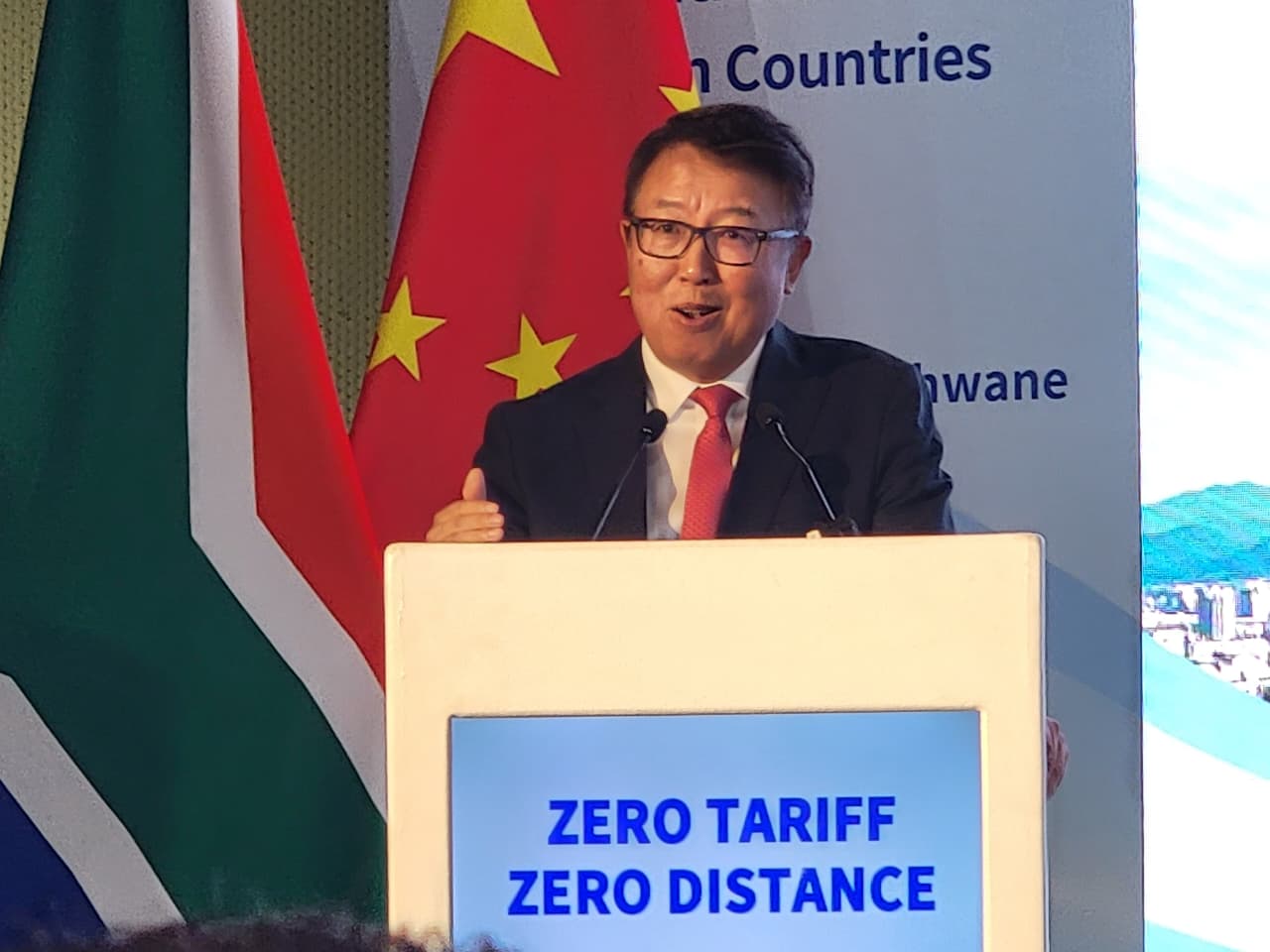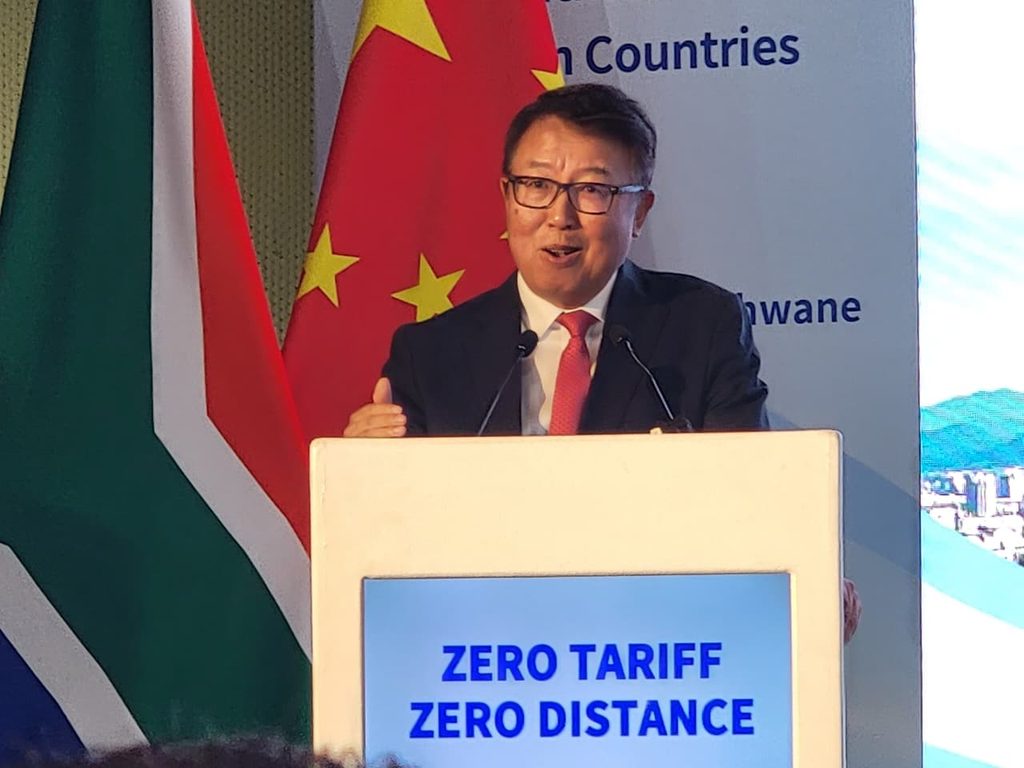
Amb Wu Peng, Chinese Ambassador to SA
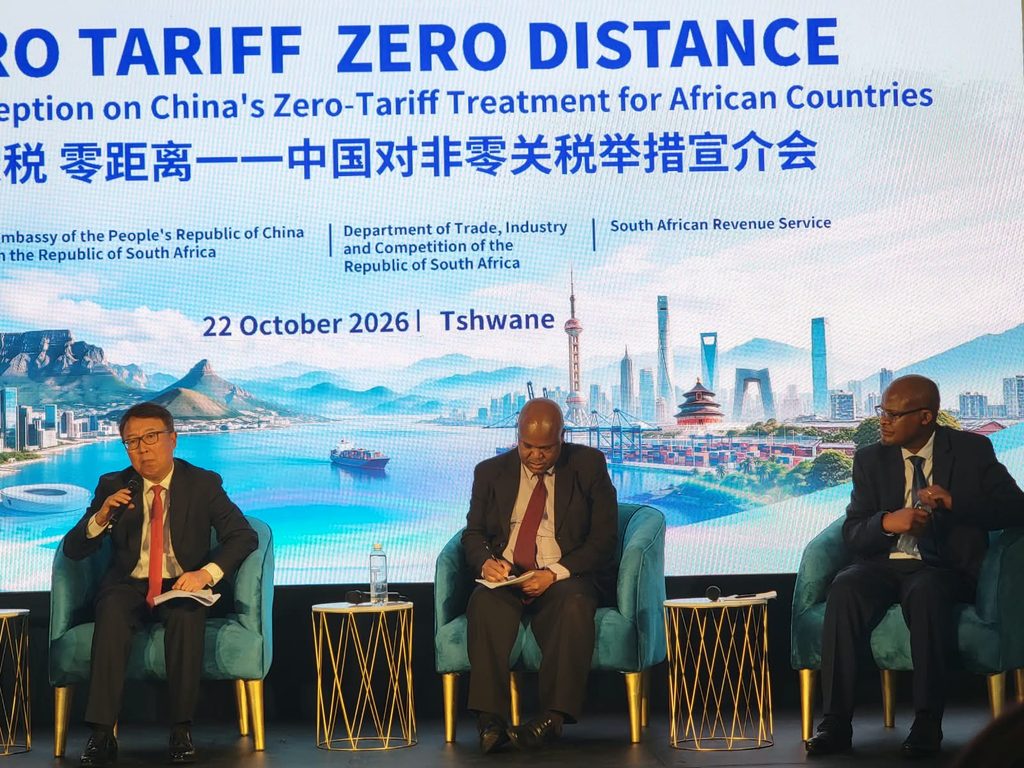
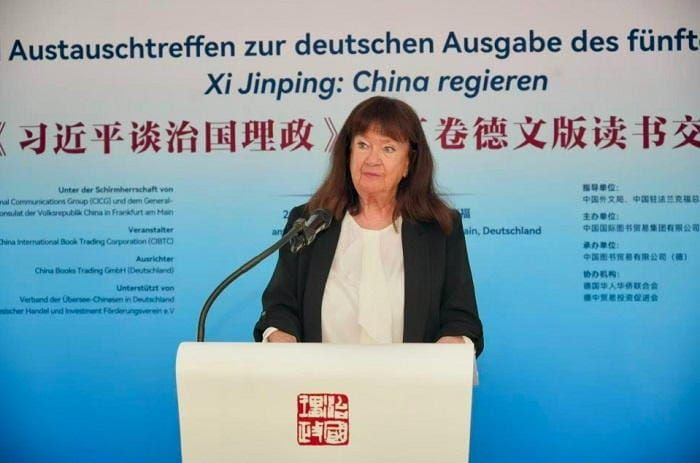
The reception, held in the South African capital, Pretoria, was organised and led by the Chinese Embassy in SA in collaboration with the Department of Trade, Industry and Competition (DTIC) as well as the South African Revenue Service (SARS).
The event was a huge success, attended by critical stakeholders that included a large contingency of the media.
China’s zero-tariff treatment was fully implemented on May 1, this year. This makes China the first major economy in the world to unilaterally extend comprehensive zero-tariff treatment to all African countries with which Beijing maintains diplomatic relations. It affects 53 out of the continent’s 54 nation-states that have diplomatic relations with Beijing. The event, widely publicised and publicly endorsed, aimed to raise awareness of this extremely crucial policy. Of greater importance, though, the policy seeks to help SA businesses to capitalize on the new export opportunities in the gigantic Chinese economy, the second biggest in the world.
Over the past consecutive 17 years, China has been SA’s biggest trading partner. It was Chinese President Xi Jinping who in the August of 2023elevated special bilateral relations with SA to unprecedented levels, described as “all-weather” and “no-limits” relations underscored by rapidly increasing people-to-people diplomacy.
Amb Wu Peng, speaking in his opening address to the important reception, held under the theme “Zero Tariffs, Zero Distance”, paid a particular attention to the fact that the DTIC Minister Parks Tau had attended the event in-person. “This is proof that the South African government is genuinely committed to serving South African exporters,” he said. SARS was represented by its Interim Deputy Commissioner, Mr Schalk Human. The Department of International Relations and Cooperation (DIRCO) was represented by its Deputy Director-General, Amb Dave Malcomson.
Amb Wu Peng said: “In September this year, China and South Africa signed a protocol for exporting South African cherries to China. Moving forward,” he continued, “the two nations will hold further discussions on market access for other agricultural products with export potential, ensuring that an increasing variety of high-quality SA fruits and vegetables will reach Chinese consumers.”
Furthermore, Amb Wu Peng revealed that the structure of trade between China and SA was being improved. “The implementation zero tariffs has encouraged a shift in SA’s exports to China, moving beyond traditional mineral resources toward higher value-added products,” he said.
In addition, the investment-stimulating effect is beginning to emerge. Amb Wu Peng explained: “The zero-tariff policy means much more than helping South African products reach the Chinese market. It is also making companies more aware of the opportunities to invest in South Africa.”
Amb Wu Peng concluded his remarks with a declaration of intent, saying: “I firmly believe that, under the joint leadership of President Xi Jinping and President Cyril Ramaphosa, the All-round Strategic Cooperative Partnership in the New Era between China and South Africa will continue to advance, and our practical cooperation will continue to yield fruitful results.”
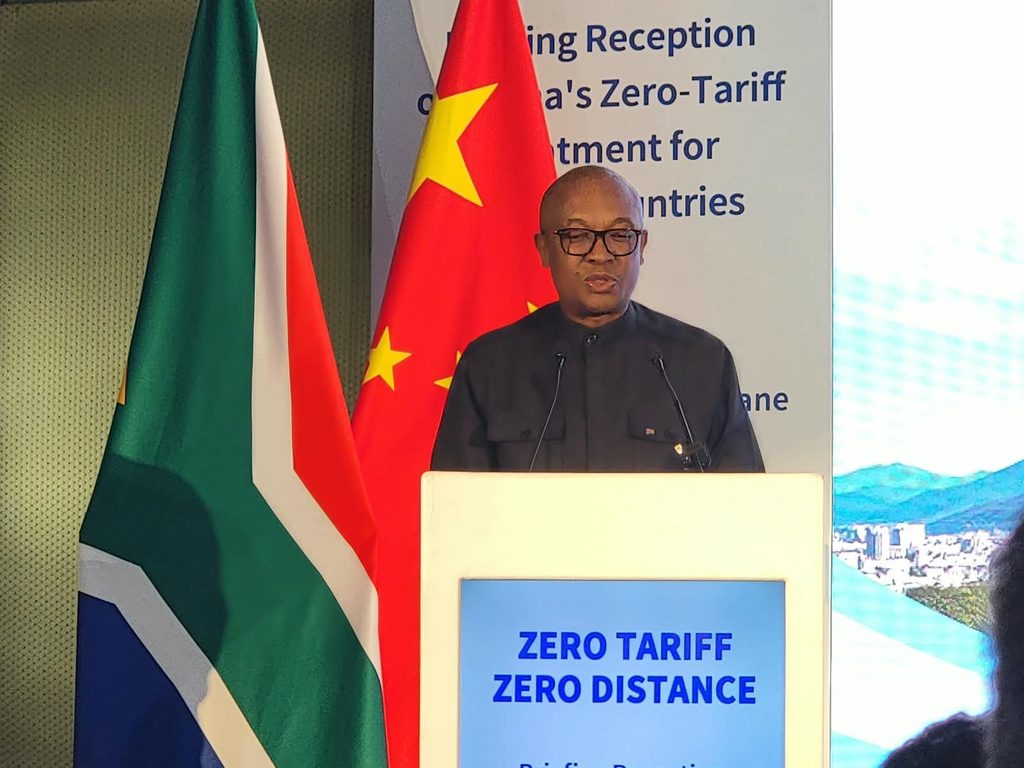
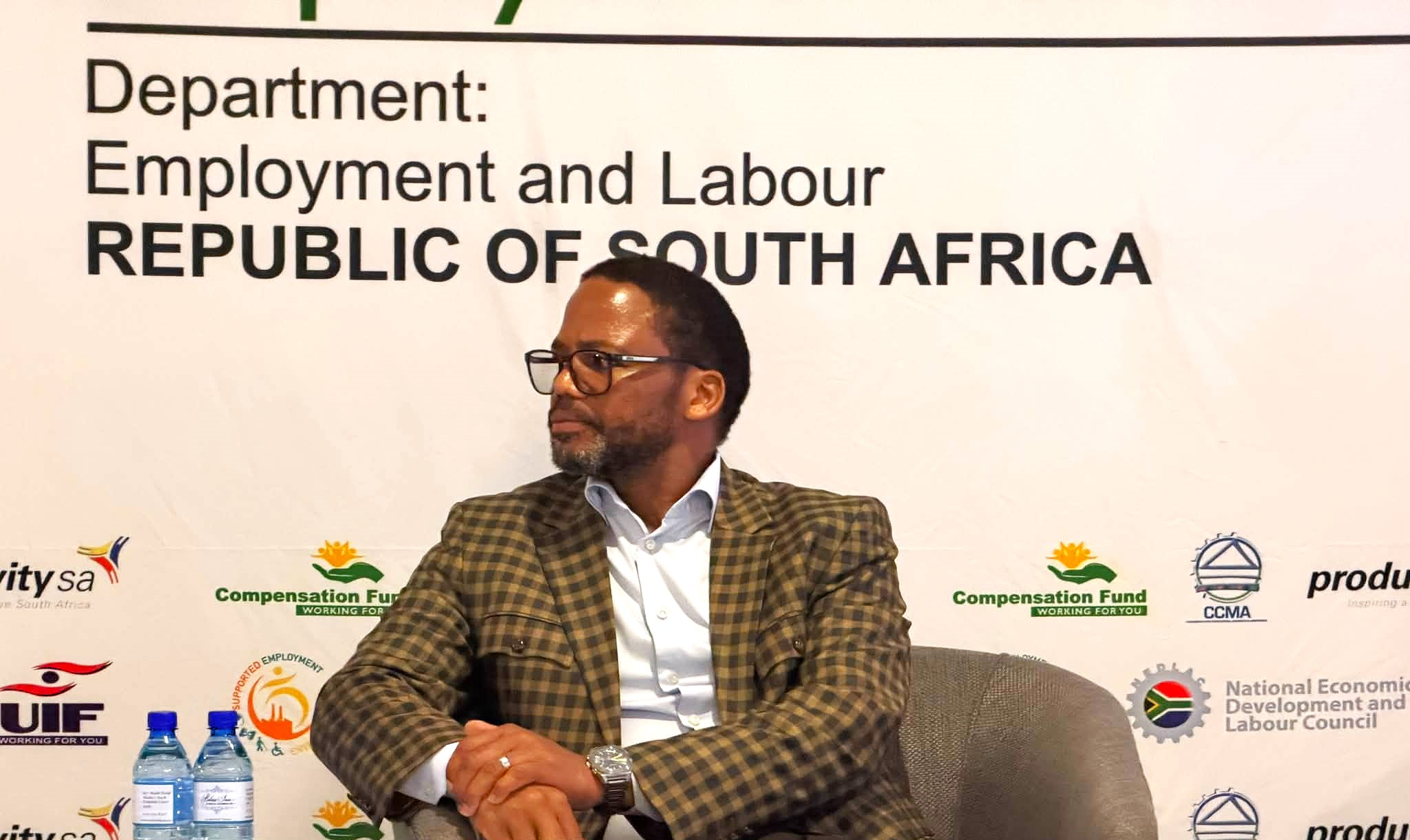
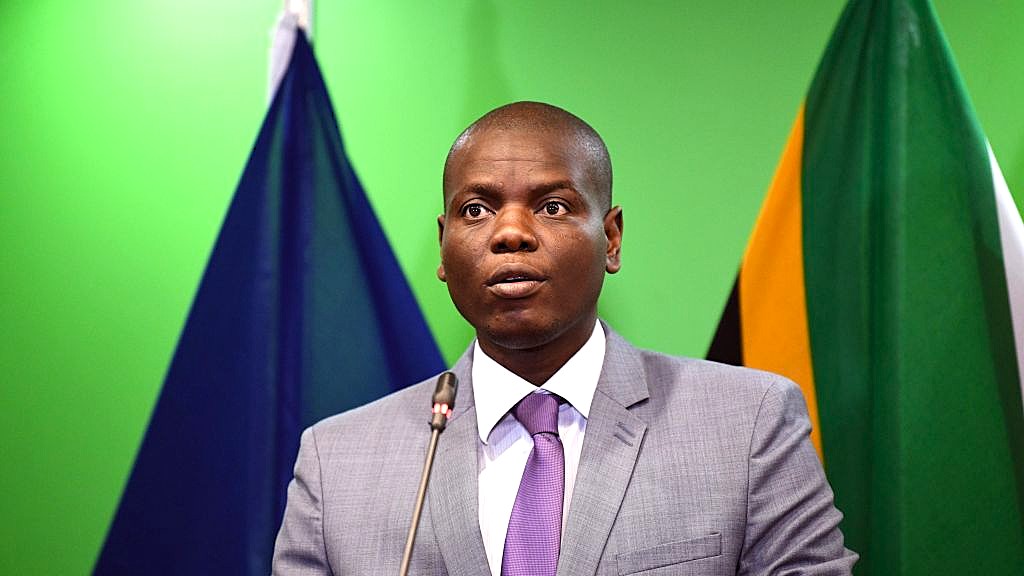
UPBEAT ABOUT ZERO-TARIFF: DTIC Minister Parks Tau
Minister Parks Tau echoed similar sentiments, shining his light on cooperation in the automobile industry. He said the relationship in this sector was truly encouraging. For example, he said, the “BAICoperates through a core joint venture with South African Industrial Development Corporation (IDC) to manufacture and assemble vehicles locally”.
On EV and batteries, Minister Tau said: “The IDC is supporting a market feasibility study on local battery cell manufacturing in South Africa, led by the Localisation Support Fund with Afrivolt as the applicant.”
Minister Tau further confirmed that China is SA’s largest trading partner and an important source of investment. He said: “Total bilateral trade between SA and China was R642 billion in 2025, increased from R483 billion in 2021. SA exports to China, also increased to R222 billion in 2025, from R198 billion in 2021,” he said.
He added: “The zero-tariff treatment runs for two years, and we are not waiting for it to expire.”
He said China and SA were also in the final stages of negotiating CADEPA (China-Africa Economic Partnership for Shared Development). “This is an agreement that provide for SA and China to negotiate MOUs and agreement covering trade, investment, infrastructure and logistics, SMEs, and industrial development,” he said, before adding: “It also forms the basis for negotiation of SACU-China Early Harvest Arrangement.”