As the world continues to grapple with shifting global alliances and protectionist trade policies — triggered in part by the lasting ripple effects of Donald Trump’s sweeping tariffs — the Southern African Development Community (SADC) finds itself at a crossroads. With traditional export markets becoming more volatile, regional exporters must begin charting a new path: one that prioritizes diversified trade and untapped global partnerships.
For too long, SADC’s economic fortunes have been tethered to a few major trade partners — primarily the United States, the European Union, and China. While these relationships have fuelled growth, they’ve also made our economies vulnerable to policy shocks beyond our control. From punitive tariffs to shifting political tides, external risks have the potential to derail entire industries. It’s time for the region to unlock new markets, fortify intra-African trade, and strategically position itself in the global value chain.
SADC exporters — especially in agriculture, manufacturing, mining, and textiles — are exposed. A single policy decision from a major buyer can wipe out jobs, trigger price collapses, and force companies to shut their doors.
This volatility shows why SADC can no longer afford to rely solely on existing markets.
Diversification is not just a business strategy — it is an economic survival plan. Emerging markets in Asia, the Middle East, and Latin America offer enormous potential. Countries like India, Vietnam, the UAE, Brazil, and even Indonesia are expanding their consumer classes and seeking new sources of food, minerals, and manufactured goods. Trade diversification also helps smooth out demand cycles. While one region may be in
recession, another may be booming. Smart exporters ride the global curve instead of being crushed by it.
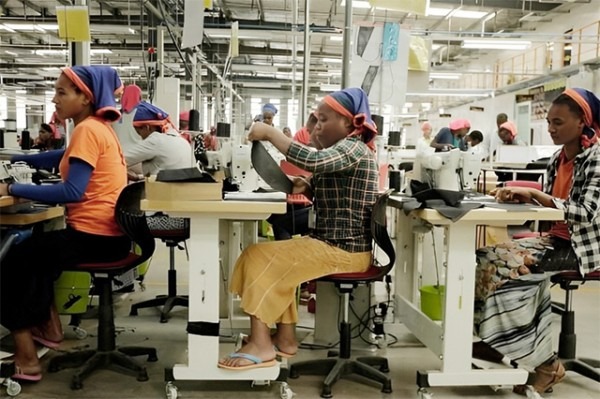
Eswatini, a small landlocked country, exemplifies the vulnerabilities of relying heavily on a limited number of export destinations. The country’s economy is anchored in exports of sugar, citrus, beef, soft drink concentrates, textiles, and wood pulp. Much of this is exported to South Africa, the European Union, and the United States under preferential trade agreements like AGOA (African Growth and Opportunity Act). While these agreements offer benefits, they are also unstable. A change in leadership or policy in Washington, Brussels, or Pretoria could disrupt access. The textile sector, which employs thousands of workers in Eswatini, is especially at risk if AGOA is revoked or EU standards change.
To future-proof its industries, Eswatini must aggressively pursue new markets:
Asia, where there’s a growing demand for agricultural goods and textiles
Middle East, especially for halal beef and sugar
East and North Africa, where regional trade ties can reduce logistical dependence on South Africa
The country also stands to benefit from value-added processing, especially in sugar and timber, so that it exports branded products instead of raw commodities.
With forward-thinking trade policies and investment in logistics and quality assurance, Eswatini could transform from being export-vulnerable to export-resilient.
Unlocking Intra-Africa Trade: The Missed Opportunity
It’s also shocking how little SADC trades with itself. According to the African Development Bank, less than 20% of Africa’s trade is intra-continental — compared to over 60% in Europe.
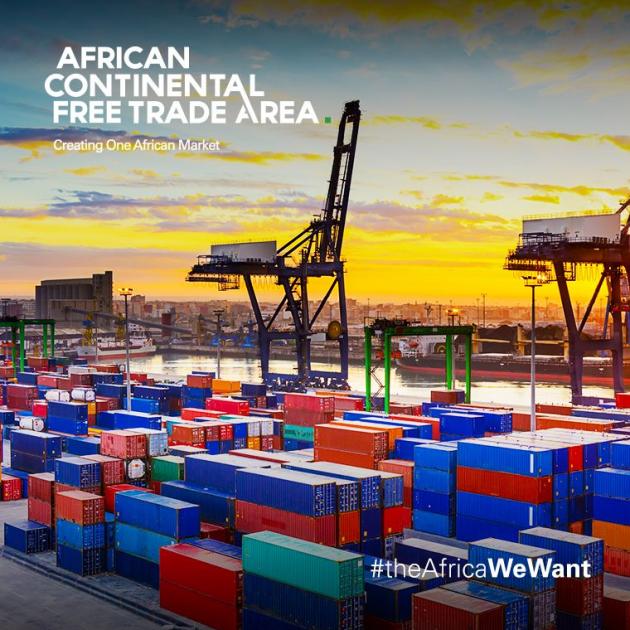
The African Continental Free Trade Area (AfCFTA) presents a golden opportunity to correct this. By reducing tariffs, harmonizing standards, and improving infrastructure across borders,
SADC can:
Open up new regional markets for small and medium-sized enterprises (SMEs)
Strengthen resilience against global trade shocks
Create economies of scale and build stronger regional value chains
Imagine if Eswatini’s sugar and citrus found smoother access to East Africa or if its processed textiles entered North African and Sahelian markets duty-free.
Botswana, Mauritius, Rwanda: Models of Market Diversification
Botswana has moved from exporting rough diamonds to developing a local cutting and polishing industry. Mauritius has diversified into financial services and pharmaceuticals. Rwanda has aggressively pursued bilateral trade ties in East Africa and beyond.
These countries show that even smaller nations can unlock new markets with smart, deliberate trade diplomacy and economic reform.
Private Sector Must Lead, Governments Must Support
Exporters cannot do it alone. Governments must create an enabling environment:
Streamline customs procedures and reduce red tape
Provide reliable infrastructure — roads, ports, rail, and energy
Support trade finance access, especially for SMEs
Establish and empower export councils to scout new markets
Meanwhile, the private sector must also move beyond comfort zones. Building new trade relationships requires cultural intelligence, language skills, market research, and strategic marketing. SADC businesses must think globally, not just regionally.
The message is clear: adapt or perish. SADC cannot thrive in the 21st century by exporting raw materials to legacy markets and hoping for the best. We must diversify markets, diversify products, and diversify strategies.
In a world of rising tariffs, shifting alliances, and unpredictable geopolitics, regional exporters have two choices — cling to the past or forge new futures.
Africa’s future belongs to those willing to explore new trade frontiers.
If Eswatini and its neighbours don’t unlock new markets, someone else will — and we’ll find ourselves once again watching from the sidelines of global prosperity.