

In the Dust of Forgotten Villages
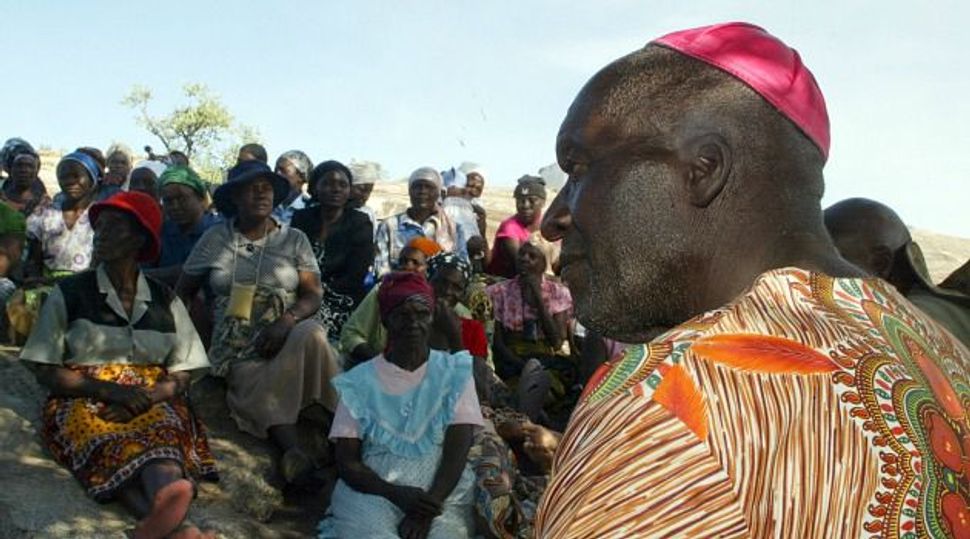
In the hills of Venda, across Limpopo and into Zimbabwe, live a people shrouded in both reverence and obscurity, the Lemba. Oral tradition hails them as descendants of ancient Jewish traders. Anthropologists once dismissed them as mythmakers. Geneticists have complicated the story, revealing a lineage that echoes across deserts and millennia. But in the postcolonial and post-apartheid moment, their story is more than DNA, it is about dignity, contested memory, and the desire to belong without begging.
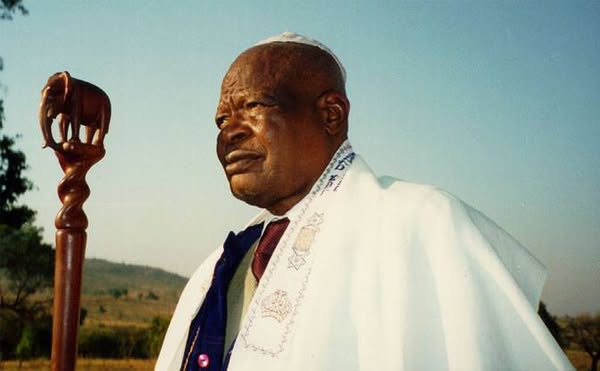
The Lemba Legacy: Oral History and Identity
For centuries, the Lemba have claimed descent from Jewish or Semitic forebears, asserting that their ancestors came from a place called “Sena”, interpreted by some as Yemen and settled in Africa through trade routes. They abstain from pork, circumcise boys, maintain purity laws, and historically enforced endogamy. For a people so deeply African, their customs have long invited curiosity and suspicion.
As John Hadji, a respected Lemba elder from Limpopo, recounts: “Our forefathers left Israel during a time when Jews were persecuted by Nebuchadnezzar, in 650 BC. They came down through Yemen, Eritrea, Kenya, Uganda and Mozambique, before finding this place.”
The Lemba didn’t ask to prove themselves. They knew who they were. It was colonial anthropology, apartheid ethnology, and modern scepticism that insisted they validate their identity through European eyes.
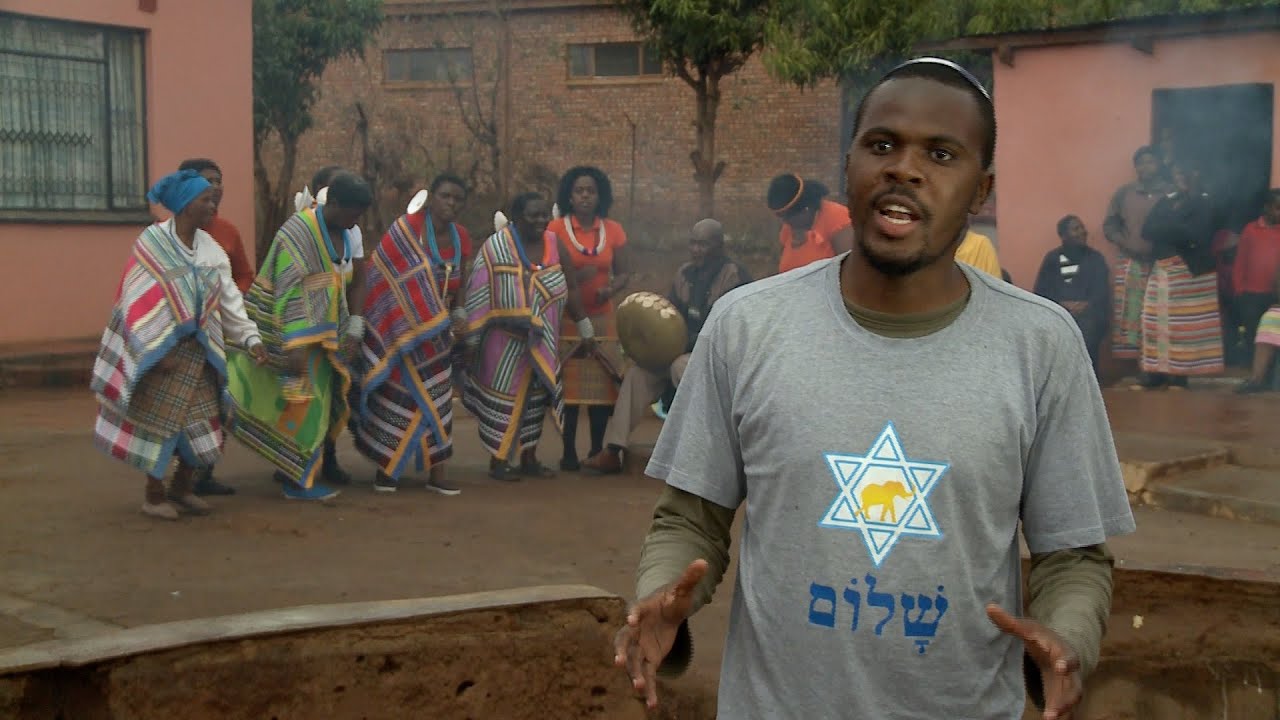
When Science Confirms What the Ancestors Already Knew
In the late 1990s and early 2000s, genetic studies emerged suggesting that a significant proportion of Lemba men, particularly those of the priestly Buba clan, shared a genetic marker found among Jewish kohanim (priestly class), known as the Cohen Modal Haplotype.
Professor Tudor Parfitt of SOAS, a leading authority on Judaizing movements, remarked:
“Their DNA clearly indicates that their oral tradition is absolutely bang-on and that they did at one point come from the Middle East… the priestly clan, the Buba, has got a rare genetic signature, characteristic of the priesthood of the Jewish people.”
For some, this was a revelation, an apparent confirmation of ancient oral histories. For others, it became a problematic celebration. Why did the Lemba need Western science to affirm what they had always known? Must blood always precede belief?
DNA was never neutral. In South Africa where race and biology were manipulated by the apartheid regime to justify exclusion, this sudden interest in Semitic bloodlines carried an uncomfortable echo.
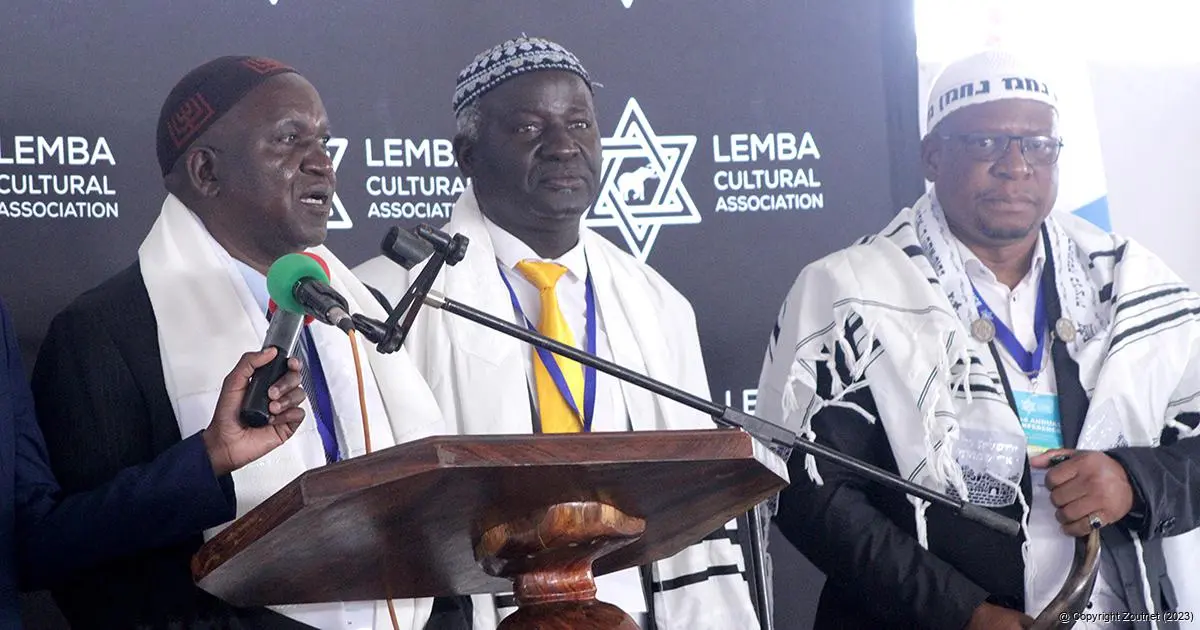
The Politics of Recognition
Despite genetic findings and long-standing practices, the Lemba remain on the periphery of both African and Jewish recognition. They are often deemed “too African” to be Jewish and “too Jewish” to be African.
Mainstream Jewish institutions particularly those bound by halakhic (religious legal) definitions have been slow to embrace the Lemba fully. Conversion requirements, doubts about matrilineal descent, and cultural distance continue to hinder recognition.
Within Africa, too, they often sit awkwardly in national imaginaries. They are not Zulu, not Xhosa, not Tswana. Their ethnic identity is a tapestry that defies neat borders. Their story threatens the tidy narratives of nation-states that seek clear categories.
Post-apartheid South Africa promised recognition, restitution, and a celebration of diversity. But in practice, communities like the Lemba remain marginal. Few Lemba names echo in political chambers. Their villages are rarely tourism stops. Their heritage sites remain underdeveloped.
In an era where identity politics dominates discourse, the Lemba are paradoxically too distinct to be included and too similar to be exceptional.
This is the burden of historical myth. Once told, it must be defended. And when institutions adopt scepticism as their default, those with mythic lineages must constantly prove their past, as if memory needs a microscope.
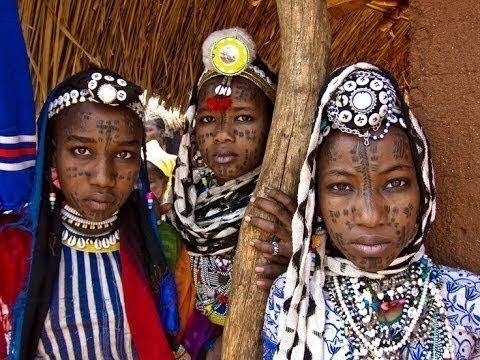
Beyond the Myth: The Lemba as a Lens
To focus only on the Lemba’s potential Jewishness is to reduce them to a curiosity, a kind of ethnographic exhibit. It is to forget that they are farmers, healers, teachers, and workers. That their stories are not defined solely by Middle Eastern echoes but by African resilience, colonial disruption, and economic marginalization.
Their myth, however romantic or contested, offers a powerful lens: how identity survives under suspicion, how belonging can be rooted in oral traditions rather than bloodlines, and how communities adapt while holding fast to the sacred.
African Judaism, African Memory
The Lemba are not the only African community with claims to Jewish ancestry. The Igbo in Nigeria, the Beta Israel of Ethiopia, the Abayudaya of Uganda, all reflect a broader question: how do we understand Jewishness outside European frames? Must Jewish history in Africa be exceptional or fringe? Or can it be local, embodied, and legitimate on its own terms?
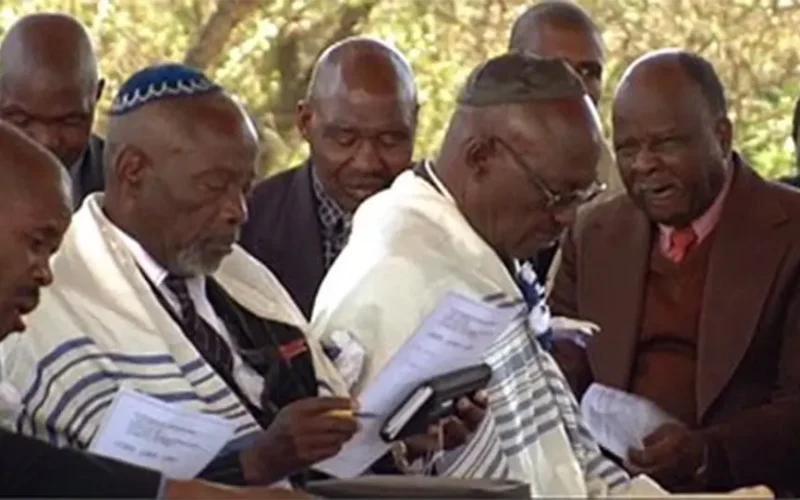
For the Lemba, Judaism is not imported, it is inherited. Not from books, but from grandfathers. Not through synagogues, but through ritual, song, and sacred memory. This is African Judaism, not a branch but a root.
The Struggle for Heritage Protection
In the cultural and heritage sectors of post-liberation South Africa, much attention has been given to liberation sites, monuments, and figures. But communities like the Lemba, whose history predates colonization, are often overlooked.
Their sacred sites face erosion. Their oral traditions risk fading. Their youth, like others, are pulled toward urban dreams, away from ancestral knowledge.
If reconciliation is to mean anything, it must include ancestral justice, not just political inclusion but cultural reparation. The Lemba deserve not just acknowledgment but active preservation.
The Weight of Belonging
What does it mean to belong in Africa? in Judaism? In history? For the Lemba, this question is not academic. It is lived. It is the silence in synagogues that will not accept them. It is the questions they face in schools, in cities, in churches. It is the tug of two worlds and the suspicion of both.
A traditional Lemba proverb reminds us: “Once we had a drum because we were a holy people and once we had a book because we were a wise people.”
Belonging, for the Lemba, is a struggle against erasure. A defiant claim to memory. A refusal to be exoticized or erased.
Conclusion: Demystifying by Dignifying
To demystify the Lemba is not to debunk them, it is to dignify them. To move beyond sensational headlines and into the heart of their living history.
Our story is not about Jewish genes or lost tribes. It is about African complexity. About the survival of belief under colonial denial. About the strength of oral tradition. About the right to remember without apology.
In a time when identity is currency, the Lemba remind us that some identities are forged not in the spotlight, but in the sacred shadows of forgotten lands.
Their myth is their memory. Their memory is their resistance. Their resistance is their truth.











3 Responses
Thanks Moshabi for a factual thought provoking presentation of a rich history untold, a case of missed opportunities to learn from us as important contributors and role players in the global village we all must co exist in. Proud to be part of this reawakened lineage of Buba. We need a realigned revolution without and around us to reclaim our space and role. We must recognize ourselves and our worth for others to appreciate us. Fortunately, our light shines brighter than the stars, we are thr o ly.o wa who can dim it and no one else…proud Lemba
Nyahoda, Munyai….kgadi ya di Tlou tsa Bokgalaka
Thank you for finding value. I think we should all strive to advance our people by telling their history. Lest we are forgotten. Shalom.
I believe the goal is to remember יהוה , HIS covenant and promise to HIS people. HE will redeem those that are true to HIM! Yes, you are bloodline, yes you are part of the curses of Deuteronomy. But there is also a promise. Have Emunah and believe that your redemption draws near. HE will make you the head, and not the tail, by HIS hands, not by yours. I’m praying for you mishpacha…. shalom!