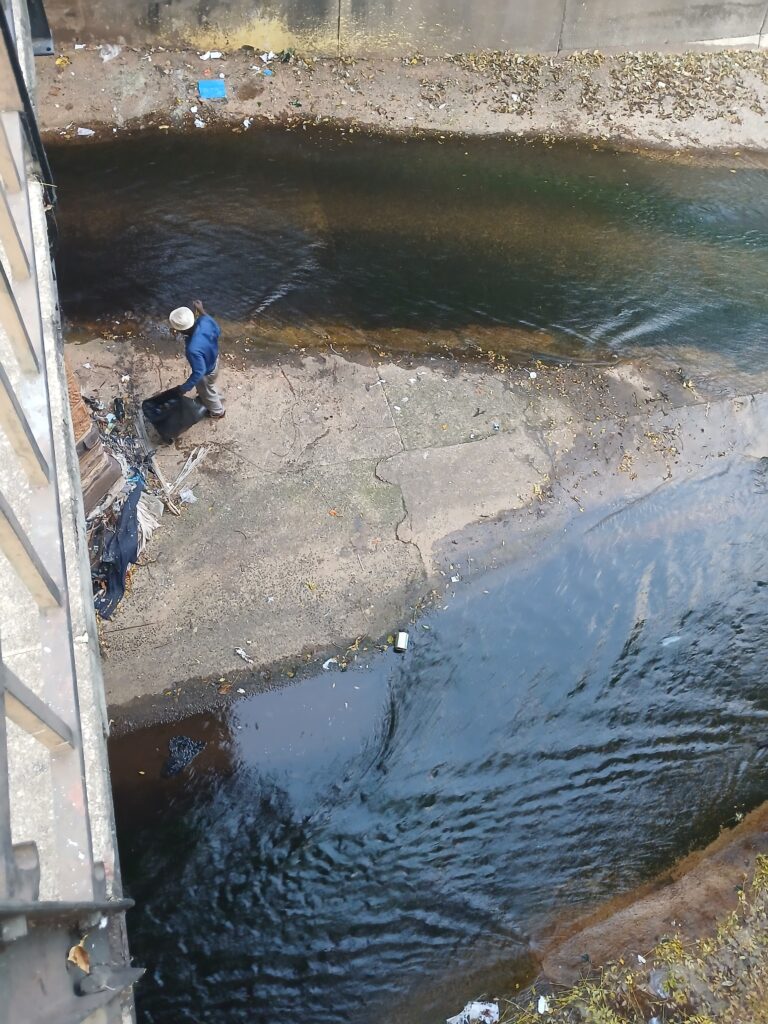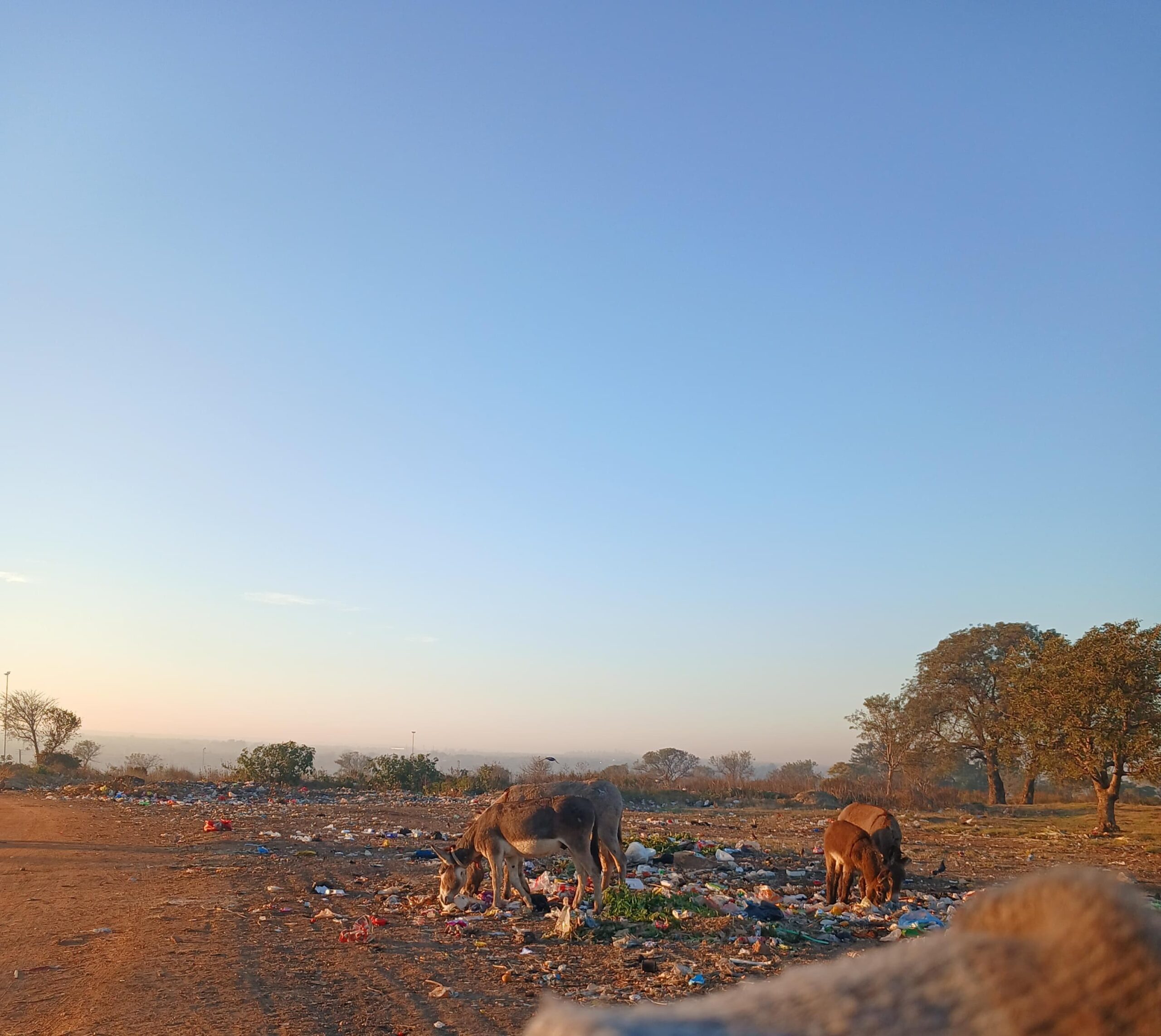
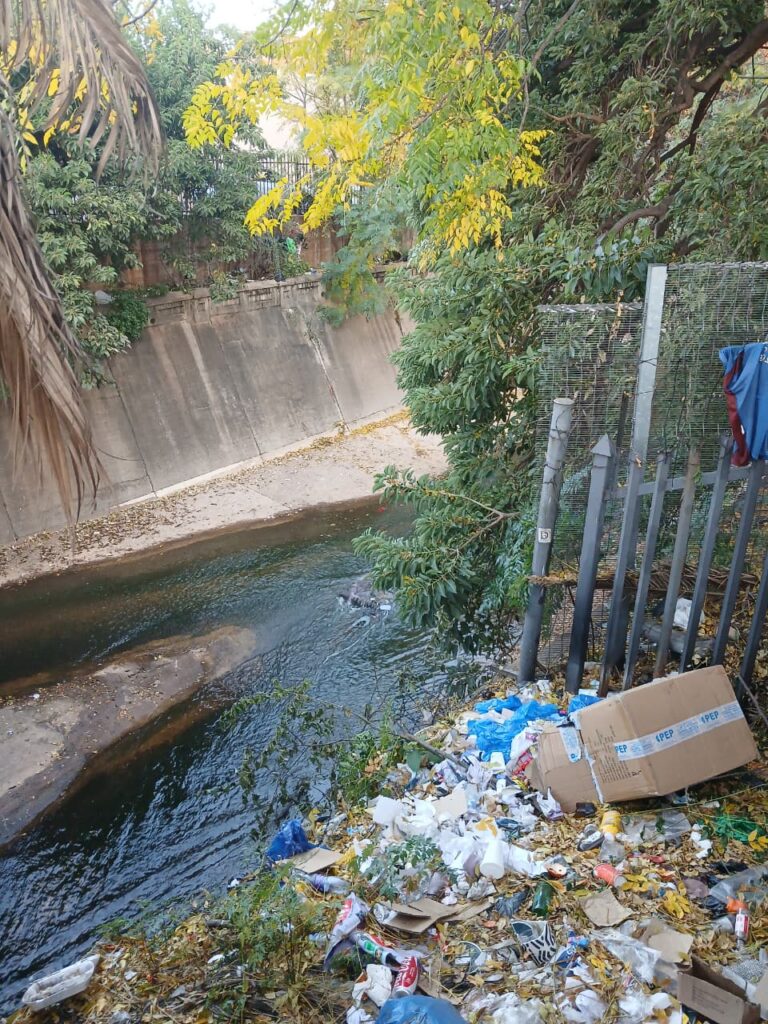
Across Mamelodi, the scene tends to be familiar. The rain stops. The flooding begins. Plastic bottles, takeaway containers and shopping bags are swept through streets and into stormwater drains. Along riverbanks, wrappers cling to reeds. What does not get trapped eventually moves downstream, carrying a familiar message to the ocean: South Africa has a plastic problem.
For years, the country’s response has focused on what happens after plastic becomes waste: can we collect it, can we sort it, can we recycle it? However, many are now increasingly asking a more uncomfortable question: why are we producing so much plastic waste in the first place?
And that question is what could determine the future of South Africa’s Extended Producer Responsibility system.
As Professor Linda Godfrey of the Council for Scientific and Industrial Research says:
“EPR should not be judged only by how much waste is collected and recycled, but by how much waste is prevented from being created.”
That means changing what happens long before a plastic bottle reaches a recycling bin — eliminating unnecessary packaging, redesigning products, expanding refill systems, increasing reusable packaging and keeping materials in circulation for longer.
As she says:
“In simple terms, the best waste is the waste that never exists.”
This matters because recycling, important as it is, starts too late. By the time a plastic bottle enters a recycling bin, the oil and energy used to make it have already been consumed. The product has already been transported, sold and used. And if that bottle ends up on a street, in a stormwater drain or in a river, the recycling system may never recover it. The problem, therefore, is bigger than litter. It is the way products are designed and consumed.
Plastic is everywhere because it works. It is cheap, lightweight, durable and convenient. For businesses, packaging protects products, extends shelf life and makes transportation easier. For consumers, it makes life convenient. But convenience has a hidden cost. A product may be used for five minutes while its packaging becomes a waste-management problem that can last far longer. Multiply that by millions of products entering the market and the scale of the challenge becomes clear.
South Africa is not simply struggling to manage plastic waste. It is struggling to keep up with the amount of plastic being placed into the economy.
That is where EPR was supposed to change the equation.
Introduced in 2021, the regulations shifted greater responsibility for certain products and packaging onto producers. As the Department of Forestry, Fisheries and the Environment (DFFE) – through Deputy Director-General Nonhlanhla Mkhize, responsible for environmental programs – notes:
“The principle was simple: companies that put products and packaging onto the market should also carry responsibility for what happens when those products reach the end of their useful lives.”
Although Telly Chauke, CEO of PETCO points out:
“EPR has created predictable funding for collection systems, infrastructure and community recycling initiatives, increasing the recovery of PET bottles while strengthening support for waste pickers.”
That is significant. South Africa needs those systems. It needs the waste pickers who recover valuable materials every day. It needs investment in recycling facilities and markets for recycled products.
But success in recycling creates a new question: What happens if we become better at recycling while continuing to produce more plastic?
That is the paradox.
A country can recover more bottles while still seeing more bottles enter the market. It can improve collection while rivers remain polluted. It can invest in recycling infrastructure while municipalities continue battling illegal dumping and blocked stormwater drains. Recycling can therefore become more efficient without the underlying problem becoming smaller.
Jeremy Mackintosh, Chairperson of Polyco, acknowledges this limitation. He says:
“Recycling alone cannot solve the problem. Lasting progress depends on designing products that are easier to recycle, increasing recycled content and reducing unnecessary packaging before it reaches consumers.”
That final part is crucial – “before it reaches consumers”.
Because consumers do not decide whether a product comes in unnecessary layers of packaging, whether a container is reusable or disposable, or whether different materials have been combined in a way that makes recycling difficult. Those decisions are made much earlier, often at the design stage.
And that is where South Africa’s EPR debate needs to go next.
The future of EPR cannot simply be about paying for the consequences of waste. It should also influence the decisions that create that waste. If packaging is difficult or expensive to recover, producers should have an incentive to redesign it. If reusable systems can replace single-use packaging, policy should make that option more attractive. If a company uses more recycled material, the system should recognise that contribution. If unnecessary packaging can be eliminated altogether, that should count as a success.
This would turn EPR from a system that largely manages waste into one that actively helps prevent it.
The Department of Forestry, Fisheries and the Environment has indicated that EPR is intended to extend beyond recycling and support a circular economy in which materials remain in use for longer and waste is reduced. That direction matters, because South Africa does not have an unlimited ability to collect, transport, sort and recycle everything it produces.
At some point, the question has to move from “how do we manage this waste?” to “why are we creating this waste?”
Anton Hanekom, Executive Director of Plastics SA, puts the challenge plainly:
“The success of Extended Producer Responsibility should not be measured only by how much plastic is recycled, but by how much unnecessary plastic society no longer produces.”
That is a different way of measuring progress.
Imagine if the success of EPR was reported not only in tonnes collected, but also in tonnes of unnecessary packaging eliminated. Imagine companies competing not only over how much they recycle, but over how much packaging they have removed from their products. Imagine refill stations becoming normal in supermarkets. Imagine packaging designed to be reused rather than discarded. Imagine recycled material becoming the default rather than the exception.
Those changes would attack plastic pollution before it reaches the stormwater drain.
They would also create a stronger incentive for innovation. The objective is not to punish producers for using plastic. Plastic remains an important material across industries. The objective is to make producers think differently about which plastic is necessary, how much is necessary and what happens to it afterwards.
That is where government, industry and consumers must meet. Government can strengthen incentives and enforcement. Industry can redesign products and packaging. Consumers can support reuse, refill and responsible disposal where those options exist. Waste pickers can continue recovering materials that would otherwise be lost. Recyclers can turn those materials back into economic value. But none of these solutions should operate in isolation. The system has to begin earlier, at the design table.
Recycling will remain essential. South Africa should continue investing in collection infrastructure, recycling technologies and the people who make the system work. But recycling should be the safety net, not the strategy for unlimited plastic production. The real measure of progress should be whether we are creating less unnecessary waste to manage in the first place.
The next time the rain stops and the drains begin to overflow, the question should not simply be where all that plastic came from. We should ask why it was produced that way — and what we can change so that it never reaches the drain. South Africa cannot recycle its way out of plastic pollution. We have to produce less unnecessary plastic, design better products, build systems around reuse and make preventing waste just as important as recycling it.
This reporting project was carried out with the support of GIZ, the German Federal Ministry for the Environment (BMUKN) and Flow Communications.