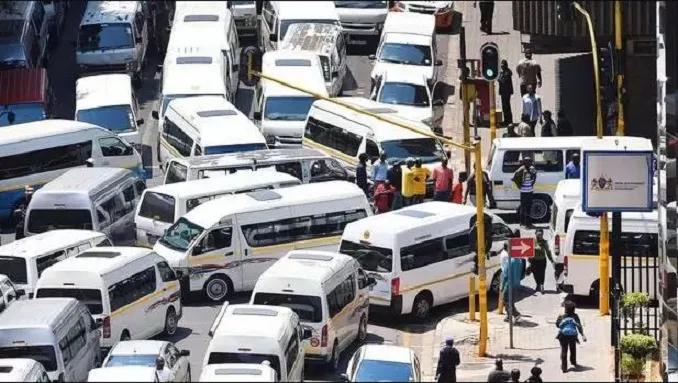
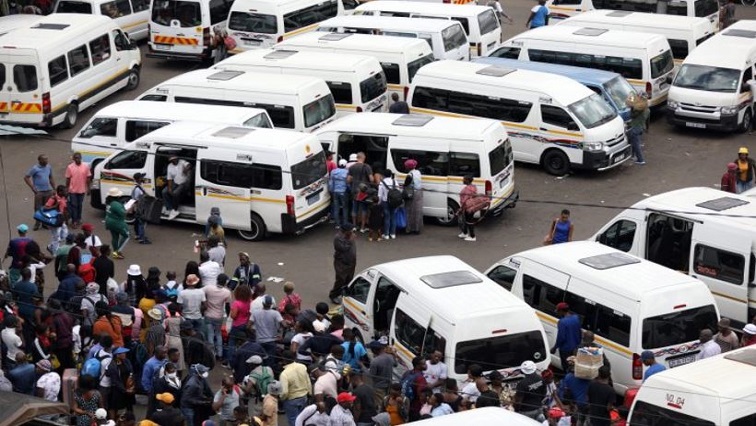
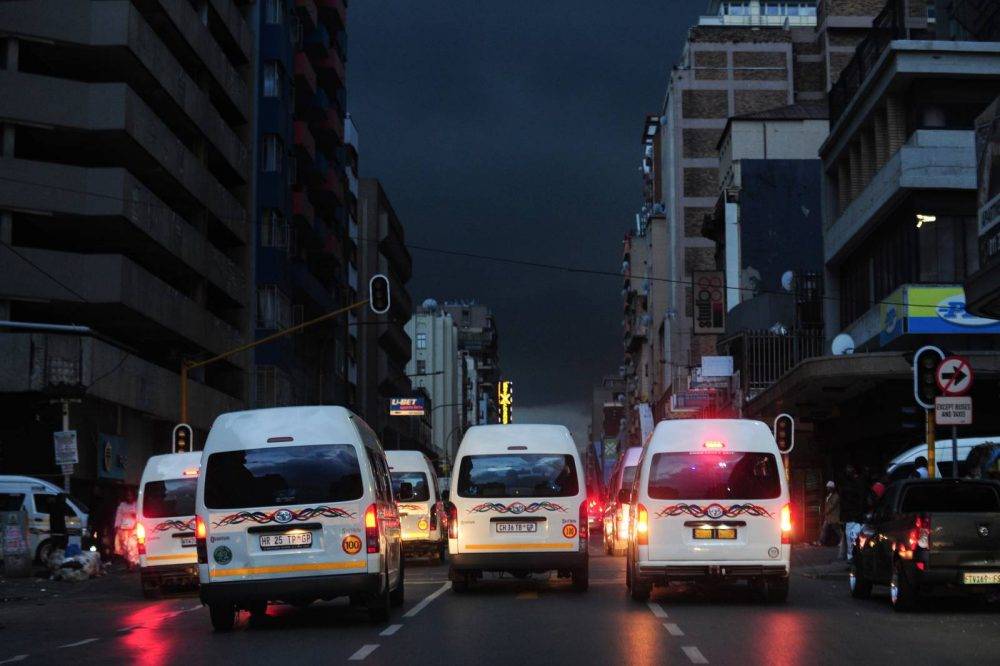
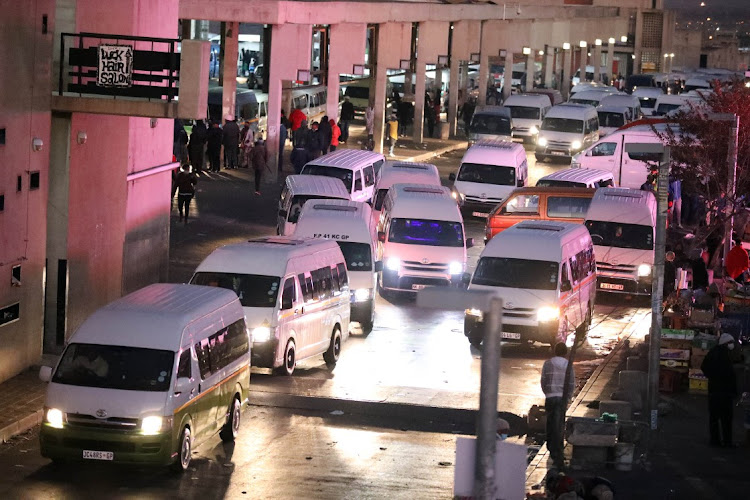
South Africa’s taxi industry is not only massive – it’s a force to be reckoned with. In many ways, it’s the lifeblood of the nation’s daily commute. Every single day, around 16 million South Africans rely on minibus taxis to get to work, school, and everywhere in-between. This sector moves more than 70% of the country’s commuters and contributes significantly to the economy with an annual turnover of a whopping R100 billion.
Yet, when we discuss environmental sustainability or climate change in South Africa, the conversation rarely — if ever — includes taxis. This glaring omission of taxi emissions not only undermines the urgency of our environmental challenges, but also misses a vital opportunity for transformation in one of our most essential industries.
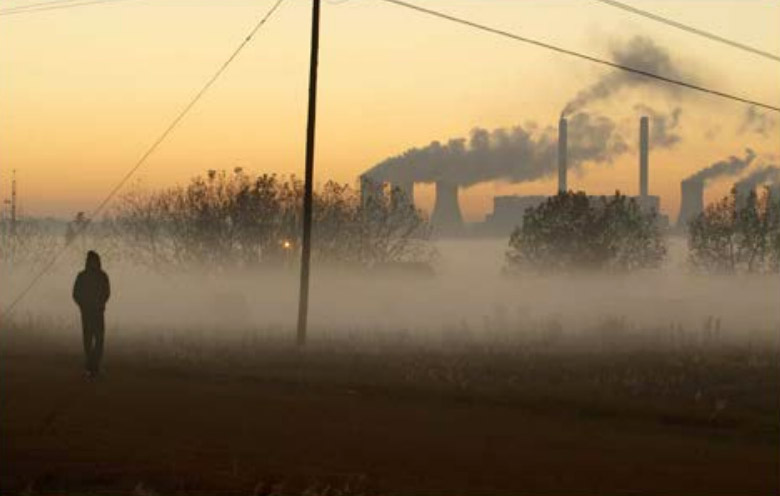
South Africa’s urban air is increasingly toxic, and much of that toxicity comes from our overreliance on road-based transport – from taxis and buses, to e-hailing and private vehicles. These vehicles spew out a toxic mix of gases – including nitrogen dioxide, carbon monoxide, and finer particles – that all poison the very air we breathe.
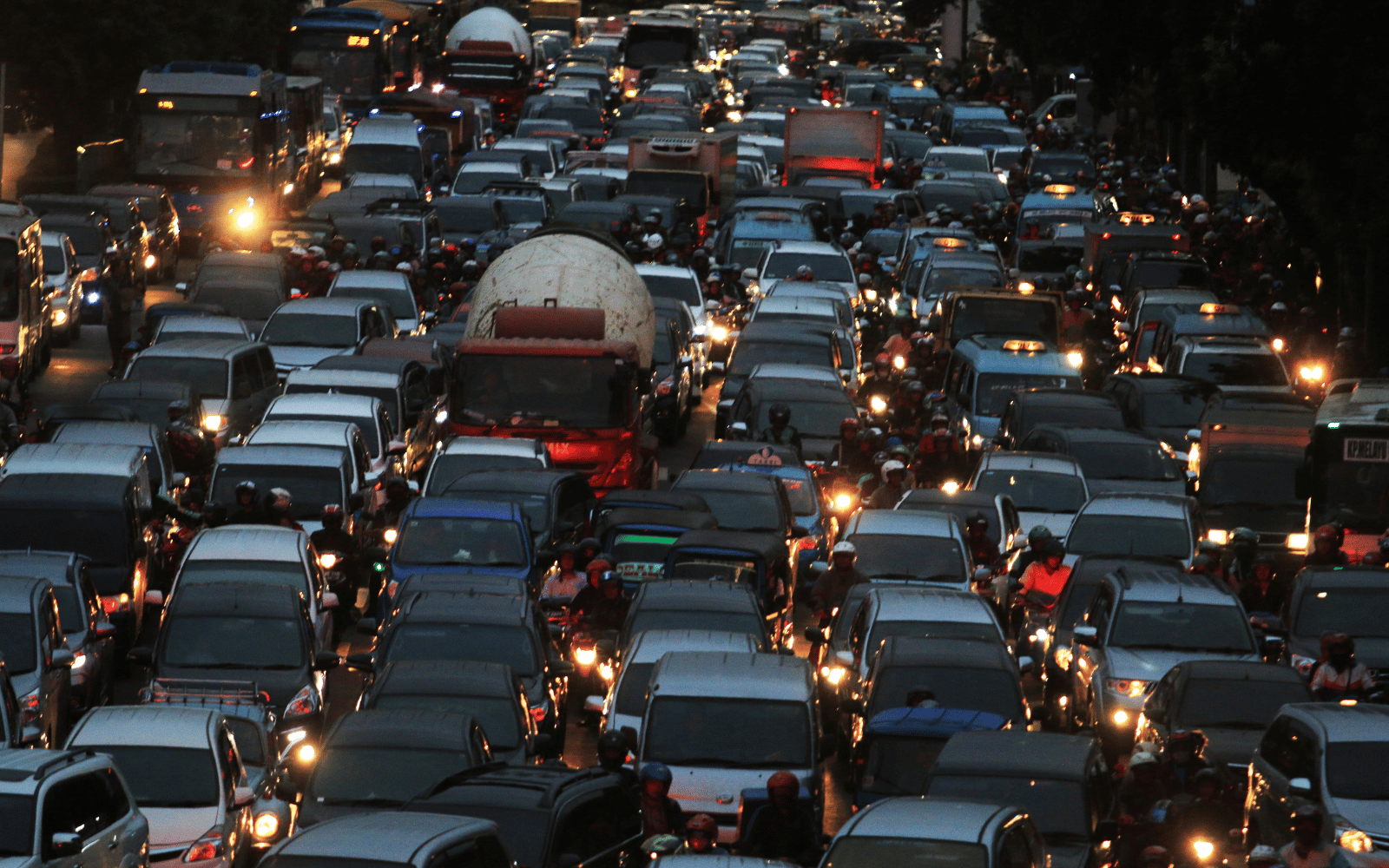
The World Health Organization (WHO) has repeatedly raised alarms about air pollution being a silent killer, and in South Africa, it is just that — invisible, insidious, and largely ignored. In fact, over 42 000 South Africans (including over a thousand children under five-years-old) die prematurely each year due to toxic air.
Across the nation, millions of people are trapped in a cycle of environmental injustice — dependent on the very transport systems that expose them to harm. Taxis remain the most accessible and affordable mode of transport for millions, but they are often running on old, poorly maintained engines that produce excessive emissions. Meanwhile, wealthier South Africans, who have the privilege of choice, live in greener suburbs with cleaner air, remain far-removed from the problem, and shielded from its worst effects.
Despite mounting evidence, the government’s response has been staggeringly slow, and oftentimes blatantly dismissive. In fact, SA’s governance has a long-standing and well-documented tendency to downplay or outrightly ignore challenges that primarily affect underprivileged populations.
Environmental concerns, especially those rooted in systemic inequality, are rarely treated with urgency unless they affect affluent areas or align with political interests. Air pollution is framed as a technical issue, not a human rights one – which is a dangerous oversight that allows the cycle of neglect to continue unchecked.
The continued neglect of the transport sector’s environmental footprint is yet another example of a government unwilling to take responsibility for the systemic harm that they have created.
The reality is, pollution and climate change don’t impact everyone equally – and they never have.
Black and coloured working-class communities have been pushed to the margins for generations, forced to live near busy roads, factories, and taxi routes, all while being shut out of the decisions that shape their lives. In cities like Johannesburg, Pretoria, and Durban, this means living with air quality that routinely exceeds safe limits, especially in densely populated, low-income areas.
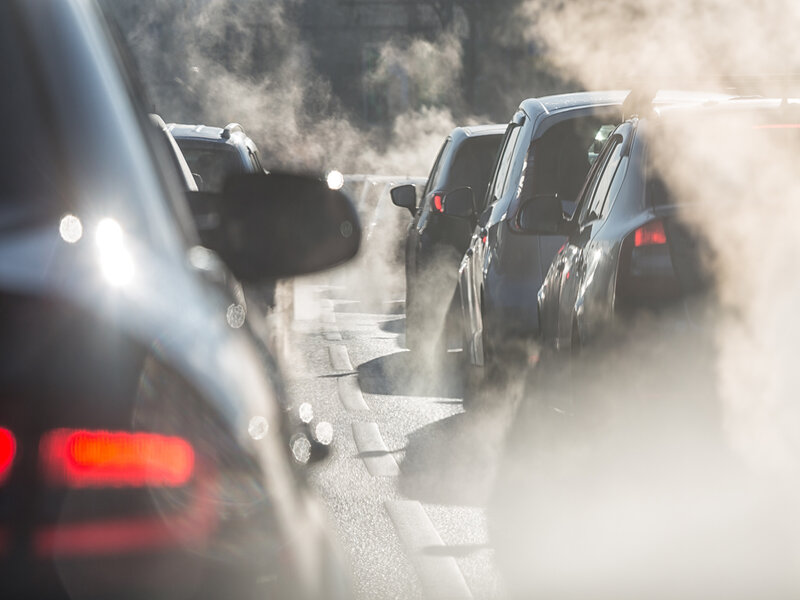
The emissions don’t just worsen global warming – they settle in the lungs of children, pregnant women, the elderly, and others most vulnerable. This is not only an environmental crisis but a stark human rights violation.
We can’t talk about fixing South Africa’s environmental crisis without talking about justice. A just transition means more than cleaner fuel or electric vehicles. It means putting people first: investing in safe, clean, affordable public transport, supporting taxi operators to upgrade without leaving them behind, and actually listening to the communities who are most affected. But instead, we see a government that continues to ignore these realities, fails to monitor air quality where it matters most, and looks the other way when poor communities are literally struggling to breathe.
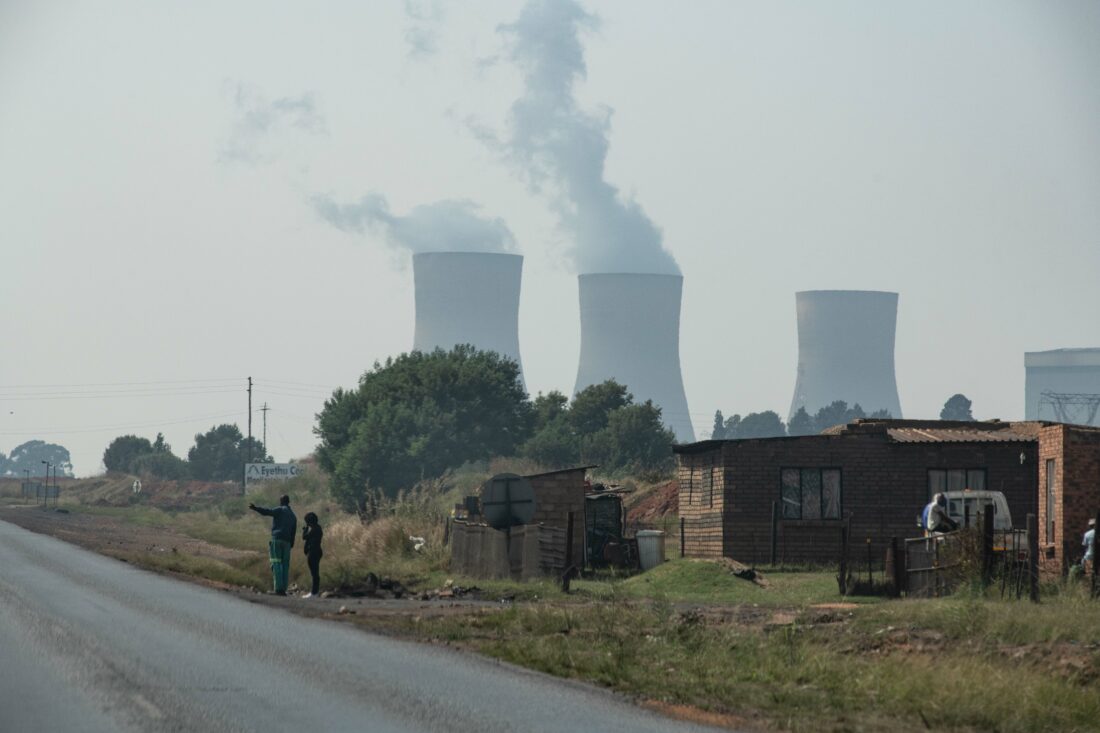
We’ve all seen this play out – kids developing asthma before they even reach school, families dealing with chronic illness they can’t afford to treat, people suffocating under fumes and silence. It’s unacceptable.
If we’re serious about climate justice in this country, then we need to stop pretending pollution is just an unfortunate side-effect of progress. It’s violence. And ignoring it is a choice. Every day we delay, lives are lost — not in floods or fires, but in slow, silent suffocation. That is the cost of our inaction.