![Russian Paralympians [Image: Svidomi]](https://gsmn.co.za/wp-content/uploads/2026/02/1a421ba4607d64750dffe2476dea18ffb9bba7a2.jpeg)
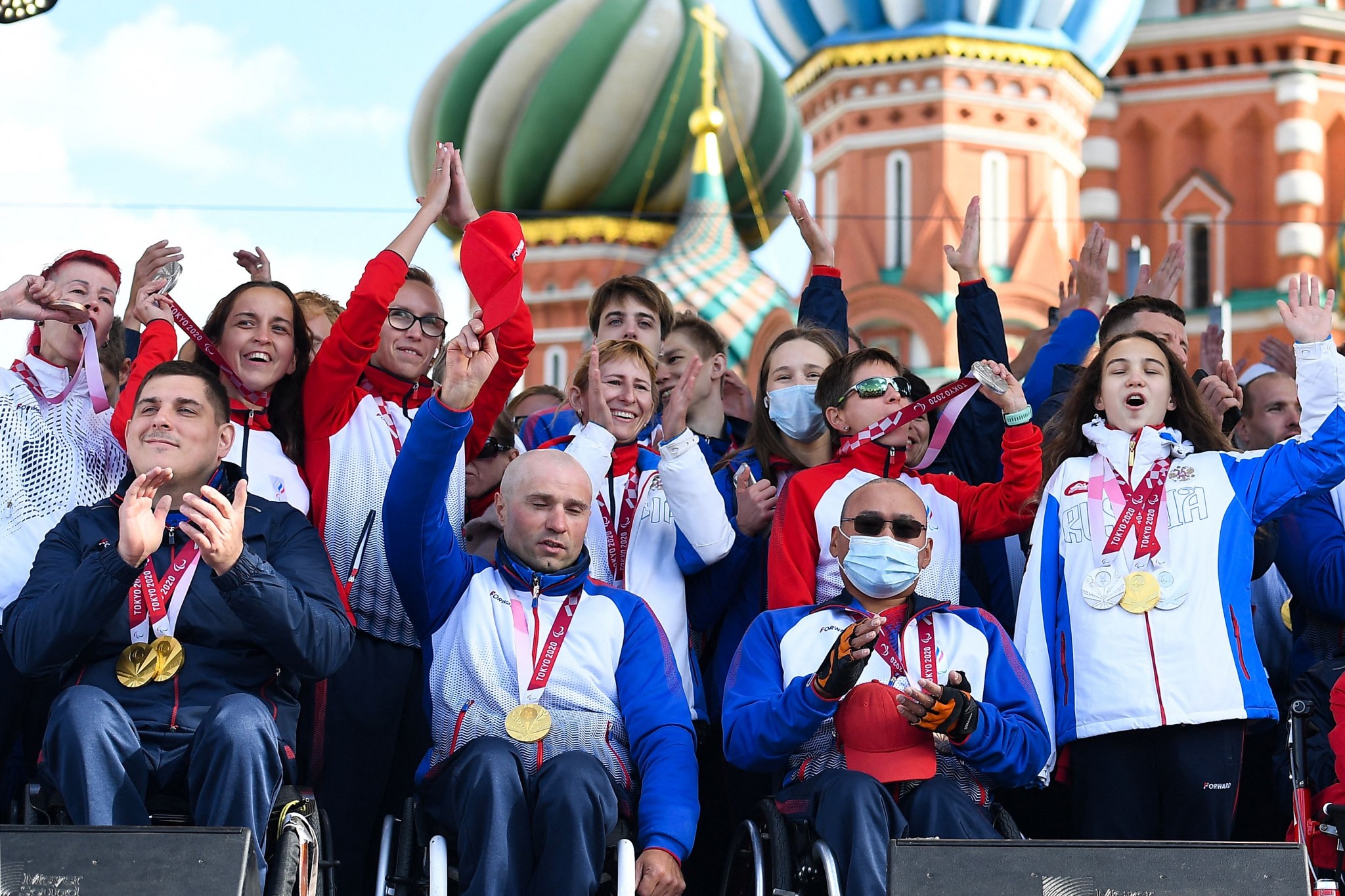
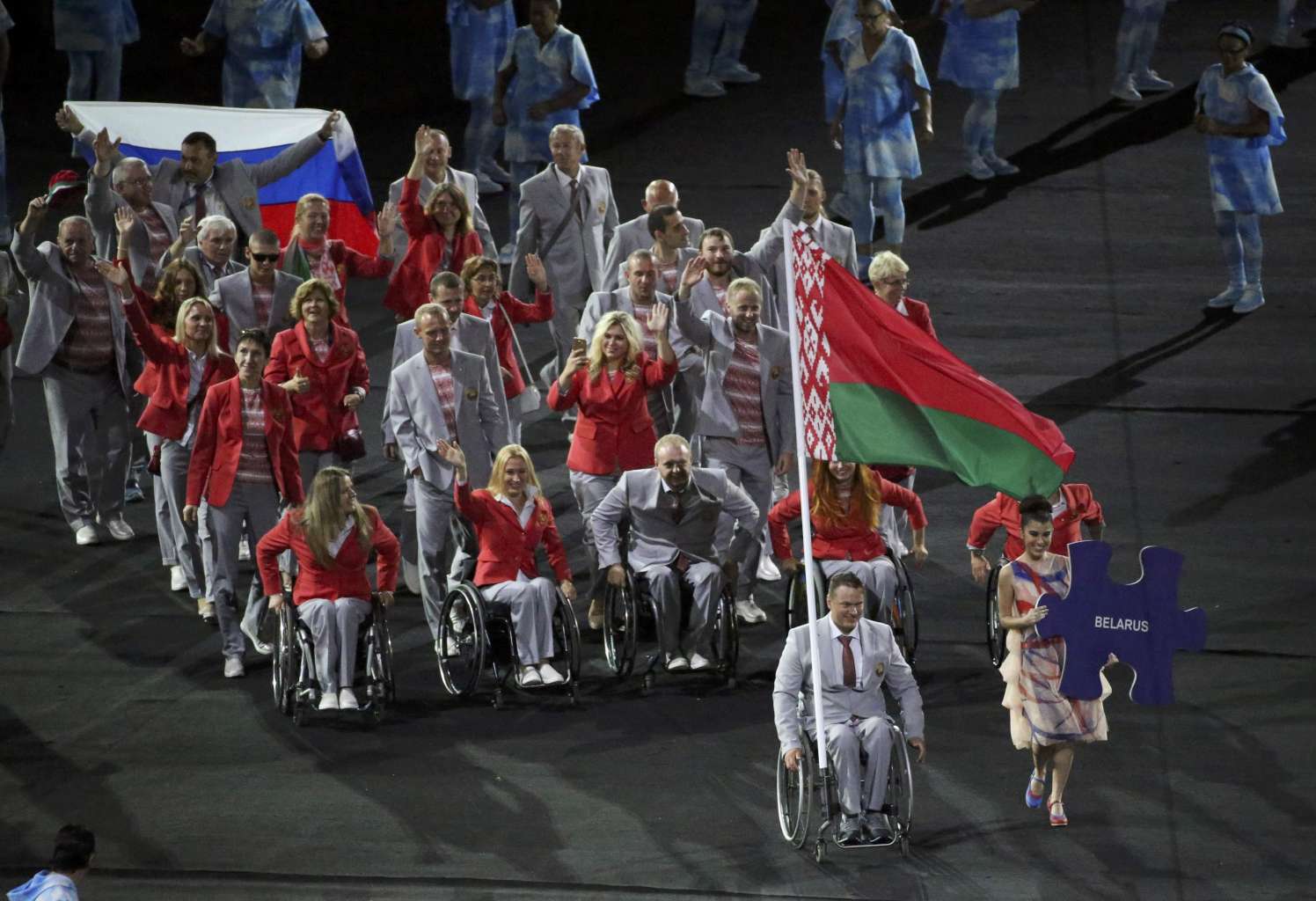
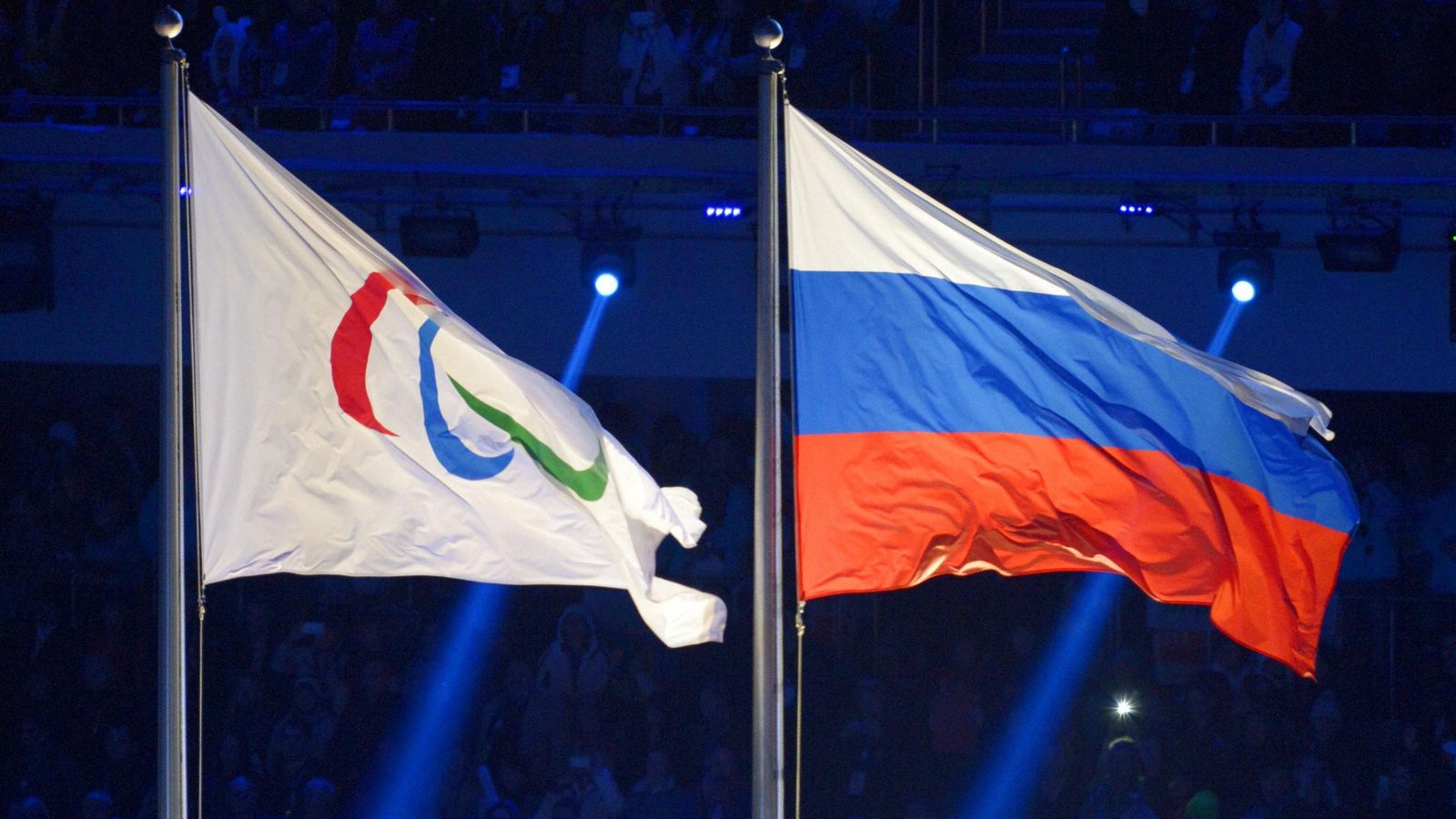
Finally, common sense appears to have prevailed over the unjustifiable punishment of hordes of innocent Russian and Belarussian athletes over the actions of their respective governments. For the first time since 2014, at least, Russian Paralympians are set to return to the international stage following the commendable decision of the International Paralympic Committee (IPC). The Paralympians will compete under their own flags at the upcoming Milano Cortina 2026 Winter Games in Italy.
Russia has previously twice been banned from the games, first in 2016 over allegations of state-sponsored doping and later in 2022 following the outbreak of the war in Ukraine.
The IPC President, Andrew Parsons, was quoted following the decision by the international body last September, to lift the ban as saying Russian and Belarussian participation in the games “was not linked to participation in wars”.
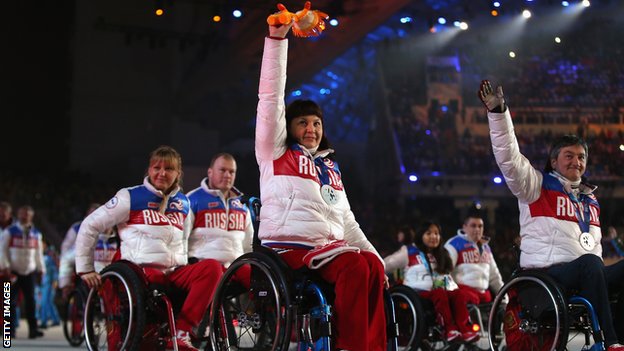
The last time Russian athletes participated under their own flag was during the 2014 Winter Olympics and Paralympics, which Russia had hosted in Sochi. Since then, as some kind of a compromise, Russian and Belarussian athletes have had to compete under a neutral banner.
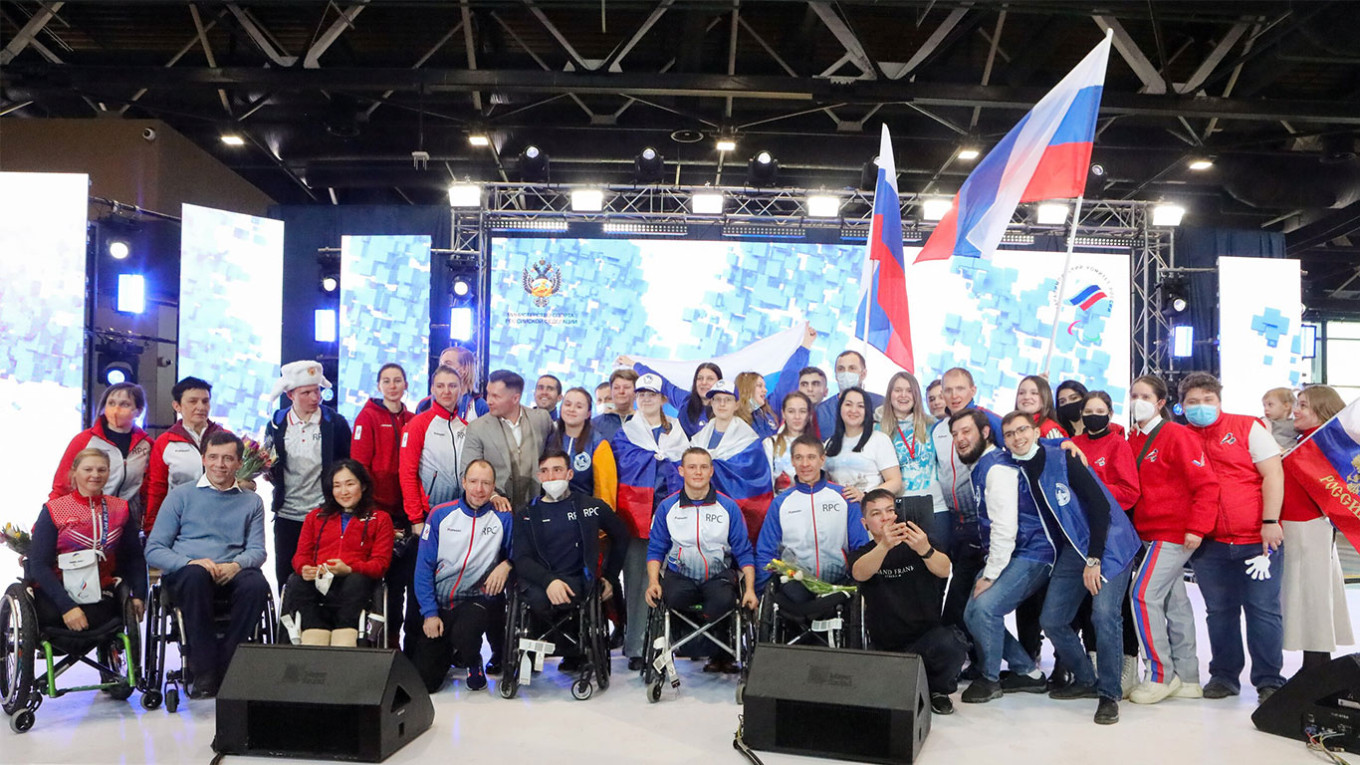
According to the IPC’s latest decision, which has ignored rumblings of discontent from some sections of the Western political authorities, Russia’s National Paralympic Committee has been awarded six slots in the games. Belarus has been awarded four.
The IPC granted wildcards so the Russians will have one man and one woman competing in para-alpine skiing, one woman and one man competing in para cross-country skiing and two men in the snowboarding event. The four slots for Belarus will be taken by three female and one male Paralympians – all competing in cross-country skiing.
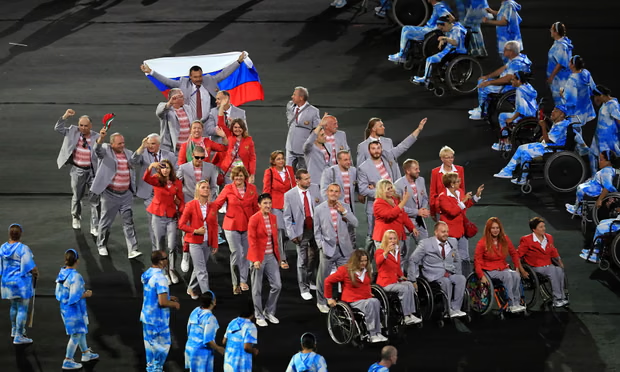
The move by the IPC ought to be applauded by all the upright people around the world. Sport should never be dragged into politics, and sport administrators should never be compromised by politicians, or used as pawns in games not of their own making.
At the heart of it all is the very livelihood of innocent male and female athletes who find themselves cast at the centre of controversies they never created in the first place. Unscrupulous politicians oftentimes choose to ignore the reality that athletes are honestly involved in sport as a vocation to which they dedicate their lives. It is through sport that they raise their children, and support their families, and prepare for a better life beyond their careers. Russian and Belarussian athletes have been unduly punished for sins that they never committed in the first place. It is this injustice that has seen an increasing number of logical voices calling for the lifting of the ban in both the IPC as well as the International Olympic Committee, which hopefully will follow suit.
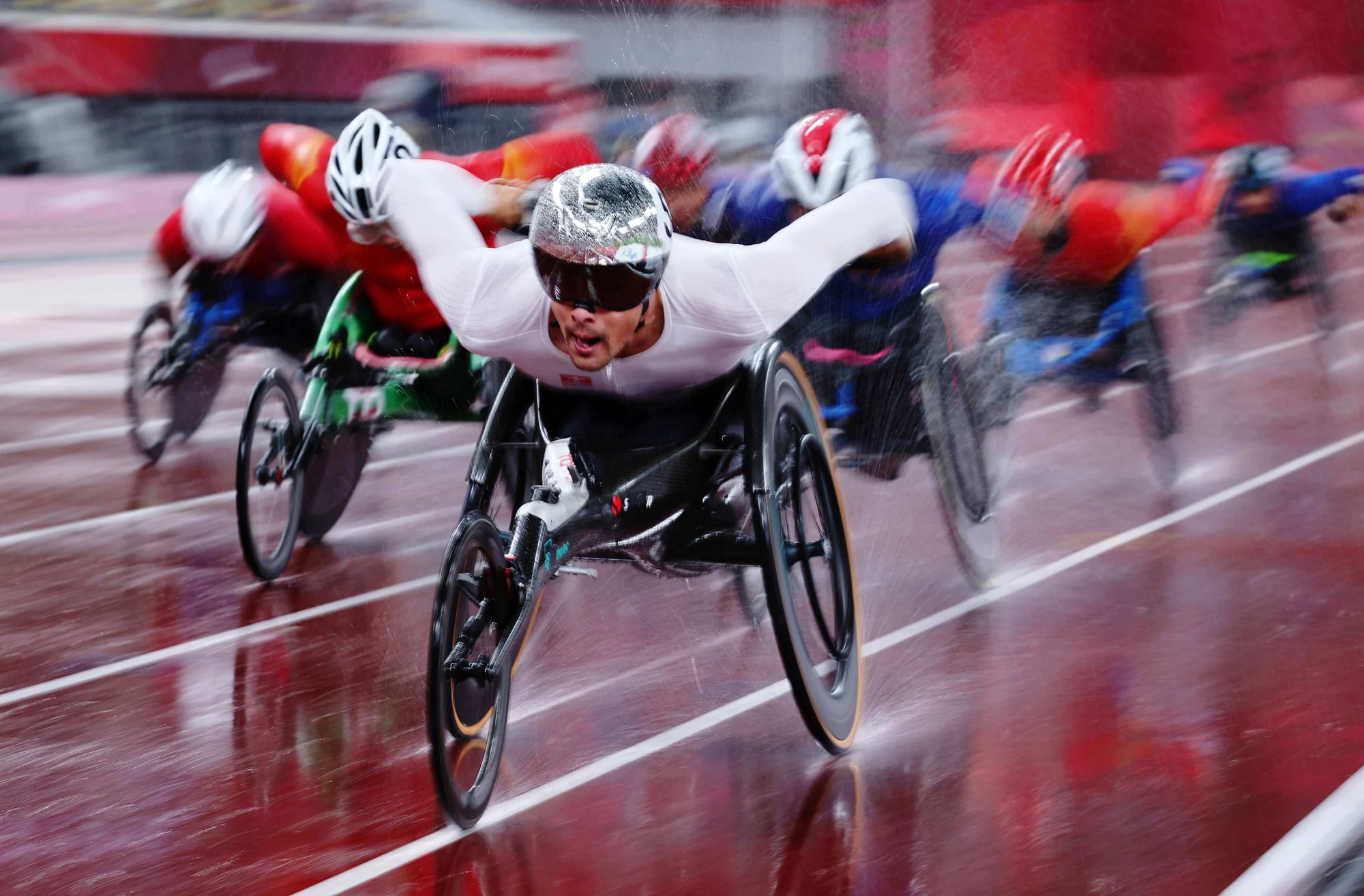
Self-centred people buoyed by deep-seated subjective stance, such as Russophobia, will argue that athletes are fair game that deserves to be dragged into geopolitical differences. I believe that such a stance is too short-sighted and should be condemned at every opportunity. I am sure that if the roles were swapped, the response – as well as the reaction – would be different. That is the crazy nature of power. Selfishness is one of its characteristics.
Sport, by its very nature, is meant to bring people together, not to drive them apart. It is for this reason that sport administrators need to be insulated from the undue pressure or influence of politicians. Politics and Sport are intrinsically in pursuit of different goals. Politicians typically come into office for a period normally lasting for four to five years. In contrast, athletes spent a lifetime pursing a professional career from which they eke a living, maintaining families and often supporting communities. The argument for permanent separation between sport administration and politics is persuasive. It’s of a rational and sound nature. Never must sport be subjected to control by politics for whatever the reason. When it said and done, sport is a sacred profession pursued by honourable men and women the world over. If truth be told, politics would never let sport control politicians.
Politics should therefore never be accorded a superior moral authority over the management of sport, regardless of whatever dubious grounds. In my view, the dictates natural justice is starkly at variance with such an arrangement where politics should control sport.
The waning power of the UN is a reminder of how politics and power can mess up humanity’s building blocks, and pillars. The esteemed regard of the UN Charter premised on the principles of global consensus-seeking mechanism, or multilateralism, has been replaced by the sharp rise of the Western-led unipolar world order.

This form of geopolitical domination has brought about unprecedented unpredictability in international diplomacy. The banning of the Russian and Belarussian athletes has been largely the manifestation of such geopolitical dominance in world affairs by the West. Adversaries in geopolitics had been turned into enemies in the sporting arena and virtually in all aspects of life. The banning of Russia from international sport has raised tension and brought military confrontation closer between the West and Russia.
I hold no brief for the US President Donald Trump, but his imperfect intervention in Ukraine, in particular, might have well averted a catastrophe that some European war mongers are seemingly too happy to drum up.
Cool heads need to become more assertive, not only in the IPC but everywhere in international organizations. The will of the few yet more powerful leaders who hunt in packs threatens international peace and stability in ways that are often taken for granted. Yet within four or five years, such leaders would have vacated public office, leaving behind the world in a mess of division in sport, trade, arts, diplomacy and virtually in every area of life. We should all embrace the return to the IPC of the Russian and Belarussian Paralympics. Let’s hope this marks the return of cool heads, responsible leadership and peaceful coexistence that remains under constant threat of disintegration.