![HELEN ZILLE [Image: Independent News]](https://gsmn.co.za/wp-content/uploads/2026/02/5b05ed53e1f299cbc30e7f6ad716f8f1c2b52d5ew700.webp)
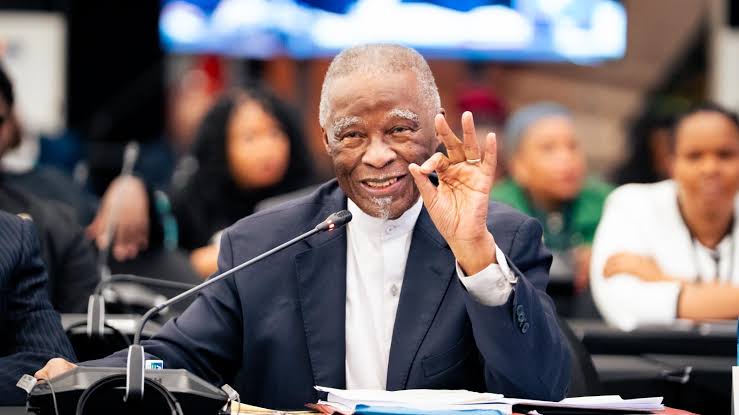
South African history records Saths Cooper as one of the SASO Nine — student leaders arrested in 1974 for their ‘anti-apartheid’ activities. Cooper was not “so-called.” He was, and remains, a central figure in the Black Consciousness Movement and a true liberation activist.
Yet, in stark contrast, Helen Zille is also labeled an “anti-apartheid activist” by search engines and by her own claims.
In 1968, Helen was 15 years old. By 1977, at age 24, she was a reporter at the Rand Daily Mail under editor Alister Sparks, covering the death of Steve Biko — who was assassinated in police custody at age 30.
Biko is dead and buried. He has left us a legacy by which to soldier on to give SA a human face that the preservation of white privilege unrepentantly negates to date.
And it is still evidently the DA position 49 years later. At age 74, Helen Zille now at the helm of the Democratic Alliance, a party that consistently opposes ANC efforts to dismantle the structural legacy of white privilege — the very system she allegedly fought against. And yet, she continues to wear the epaulets of “anti-apartheid activist” as if it were a badge of honor, unchallenged by mainstream master narratives.
This contradiction reveals a deeper problem: the last word left to detractors often becomes gospel truth, no matter how unfounded.
Let us be clear: Saths Cooper is more than an anti-apartheid activist — he is a liberation activist.
Helen Zille’s record, by contrast, demands scrutiny, not blind acceptance.